
 EN
EN
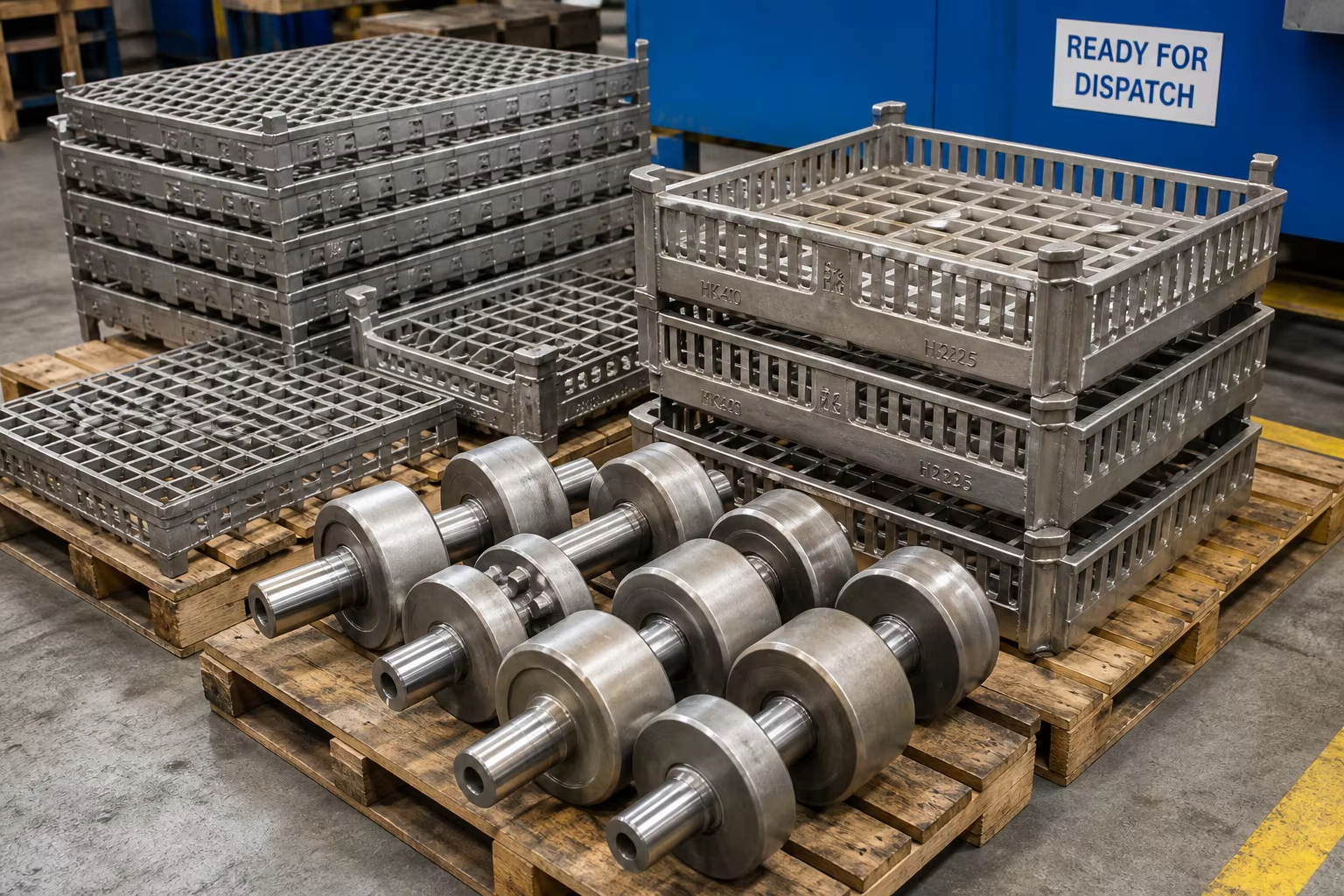
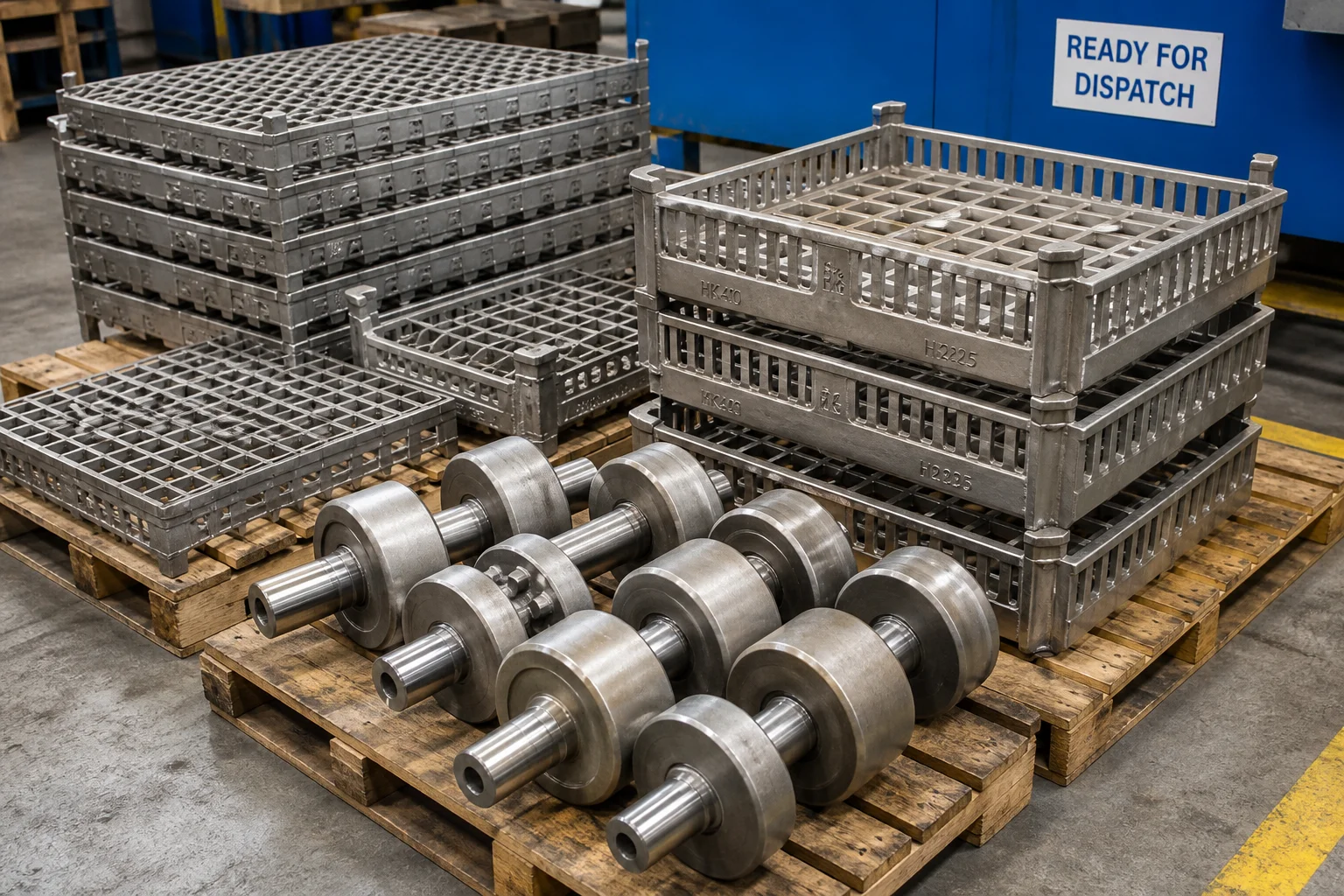
Meta Description: A complete technical guide to heat-resistant alloy castings for petrochemical reforming and industrial heat treatment furnaces. Explore ASTM A297 grades (HK40, HT, HP-Nb modified / DIN 1.4852 / 1.4857), centrifugal casting of radiant U-tubes, investment cast furnace baskets, creep rupture life, and orbital TIG welding.
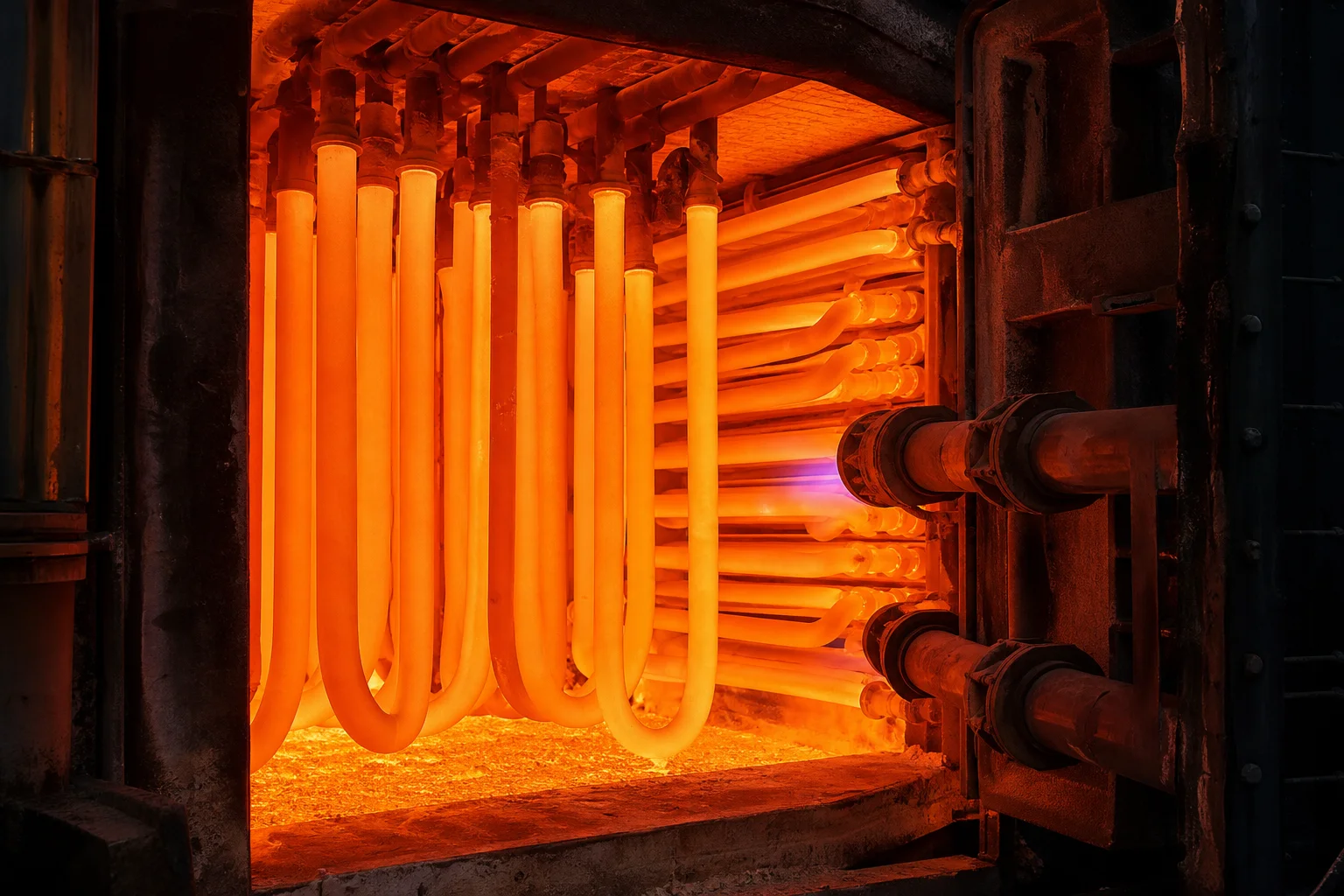
In petrochemical steam methane reforming, ethylene thermal cracking, steel continuous annealing lines, and commercial heat-treatment facilities, metal components operate inside blazing thermal infernos. Fired radiant heater tubes, catalyst reformer pipes, ethylene pyrolysis coils, furnace hearth rollers, and heat-treatment charge baskets operate under continuous temperatures ranging from ().
Under these extreme thermodynamic regimes, standard stainless steels (such as 304 or 316) oxidize rapidly, lose all structural strength within hours, and suffer catastrophic creep rupture.
Surviving decades of high-temperature service requires specialized Cast Austenitic Heat-Resistant Steels and Nickel-Chromium Alloys (governed by ASTM A297, ASTM A608, and EN 10295). These alloys rely on high chromium () for continuous protective chromia () scale formation, high nickel () for stable face-centered cubic (FCC) austenite matrix stability, and targeted micro-additions of Niobium (Nb), Titanium (Ti), and Rare Earths to form stable intra-granular carbide networks that resist creep deformation.
This comprehensive guide details heat-resistant alloy metallurgy, centrifugal casting of reformer tubes, static investment casting of furnace fixtures, creep rupture life prediction, and specialized orbital welding protocols.
1. High-Temperature Degradation Mechanisms in Thermal Furnaces
                     ┌──────────────────────────────────────────────┐
                     │ Extreme Furnace Environment (900 °C - 1150 °C)│
                     └──────────────────────┬───────────────────────┘
                                            │
        ┌───────────────────────────────────┼───────────────────────────────────┐
        ▼                                   ▼                                   ▼
┌───────────────────────────────┐ ┌───────────────────────────────┐ ┌───────────────────────────────┐
│ High-Temperature Creep Rupture│ │ High-Temp Carburization & Coke│ │ Thermal Shock & Distortion    │
│ (Time-dependent grain boundary│ │ (Carbon ingress forming       │ │ (Cyclic thermal expansion     │
│  sliding under internal press)│ │  embrittling internal carbides│ │  causing cracking & sagging)  │
└───────────────────────────────┘ └───────────────────────────────┘ └───────────────────────────────┘| Furnace Component | Operating Temperature & Atmosphere | Dominant Degradation Mode | Material Solution |
|---|---|---|---|
| Petrochemical Catalyst Reformer Tubes | / Pressurized () | Creep deformation, internal hydrogen/methane attack | Centrifugally Cast HP-Nb Modified / Micro-Alloyed (25Cr-35Ni-Nb) |
| Ethylene Pyrolysis Cracking Coils | / Hydrocarbon gas + severe coking | Rapid carburization, coke-induced thermal hot spots | Ultra-High Alloy (35Cr-45Ni-Nb-Ti / 1.4857 Mod) |
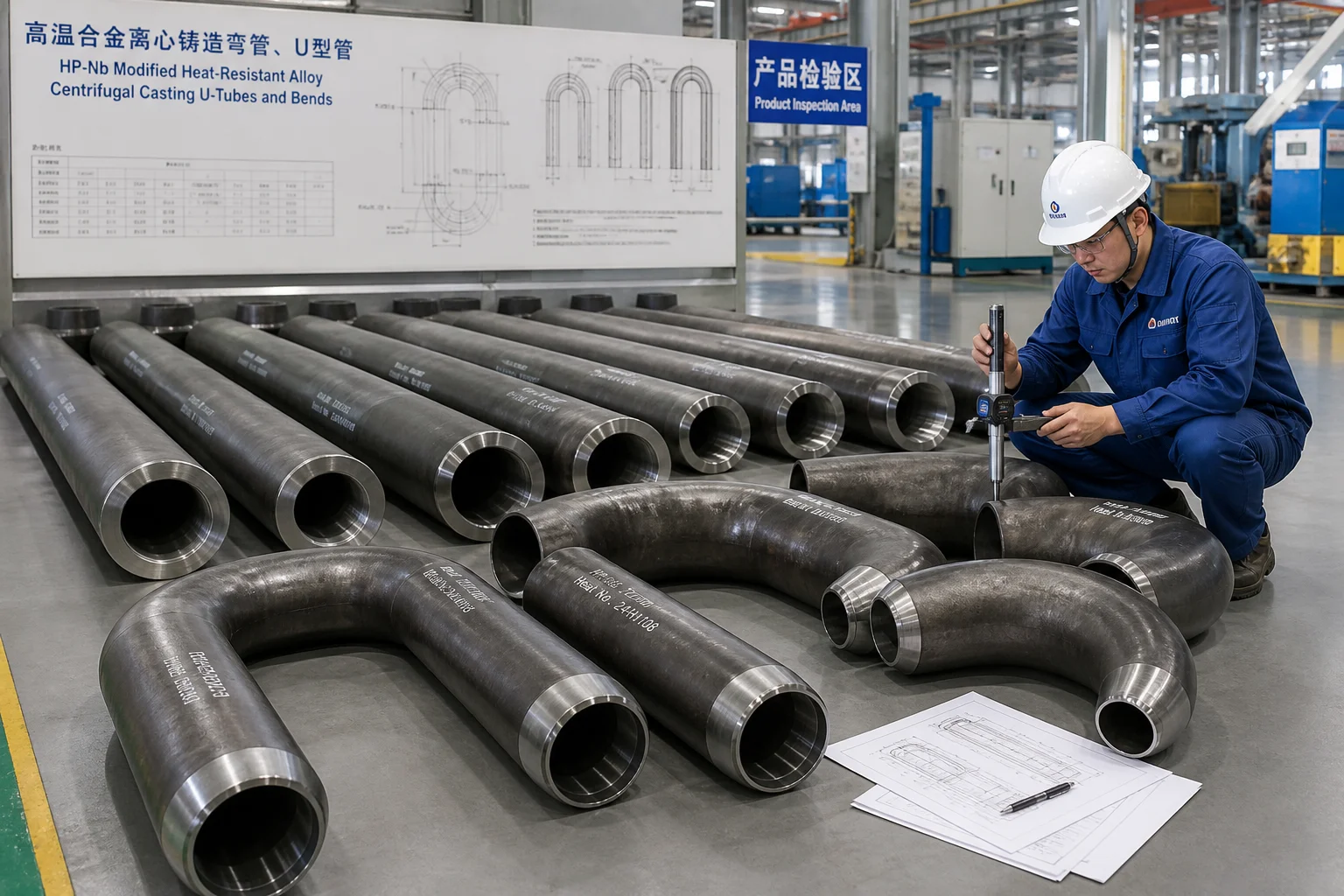
| Gas-Fired Radiant U-Tubes | / Combustion exhaust flue gas | Oxidation scaling, burner flame thermal fatigue | Centrifugally Cast HK40 / HT (25Cr-20Ni / 15Cr-35Ni) |
| Furnace Hearth Rollers & Baskets | / Carburizing, nitriding, or neutral | Thermal cycling shock, sagging under heavy charge load | Static Cast HU / HW (19Cr-39Ni / 12Cr-60Ni) |
2. Cast Heat-Resistant Alloy Hierarchy (ASTM A297 & Industry Standards)
Cast heat-resistant alloys contain significantly higher carbon contents () than wrought stainless steels (), deliberately precipitating primary and secondary chromium/niobium carbides ( and ) that pin dislocations and maximize creep rupture strength:
| Alloy Family | Standard / Equivalent | Nominal Chemical Composition (wt%) | Max Working Temp | Key Metallurgical Property & Application |
|---|---|---|---|---|
| HK40 | ASTM A297 HK / DIN 1.4848 / GX40CrNiSi25-20 | Classic reformer and radiant tube alloy; good balance of creep strength and cost | ||
| HT / HT30 | ASTM A297 HT / DIN 1.4862 | Excellent resistance to thermal shock and alternating oxidation-carburization | ||
| HP-Nb Modified | ASTM A608 HP-Nb / DIN 1.4852 Mod | Industry workhorse for hydrogen reformer tubes; Nb forms fine carbides resisting coarsening | ||
| HP-Microalloyed | 35Cr-45Ni-Nb-Ti-Zr / 1.4857 Mod | Maximum creep rupture strength and carburization resistance for ethylene cracking furnaces | ||
| HU / HW Alloys | ASTM A297 HU / HW / 1.4865 | OR | Extreme resistance to carburizing and nitriding atmospheres; heat-treatment furnace trays |
The Role of Micro-Alloying Elements:
- Niobium (Nb ): Combines with carbon to form ultra-stable intergranular carbides that resist dissolution and coarsening at temperatures above , multiplying creep rupture life threefold.
- Titanium & Zirconium (Ti/Zr ): Refine primary eutectic carbide morphology from coarse interconnected films into fine isolated spherical nodules.
3. Centrifugal Casting vs. Static Investment Casting Technologies
Manufacturing high-temperature furnace hardware requires dual casting methodologies:
┌─────────────────────────────────────────────────────────────┐
│ A. Horizontal Centrifugal Casting (Tubes & Rollers)         │
│    • High rotational mold spin (80G – 120G acceleration)    │
│    • High density, zero porosity, directional freezing from │
│      outer surface inward                                   │
│    • Dedicated pull-boring of inner diameter to remove      │
│      segregated low-density oxides                          │
├─────────────────────────────────────────────────────────────┤
│ B. Precision Static Investment / Shell Casting (Fixtures)   │
│    • Ceramic shell molding for complex furnace charge       │
│      baskets, radiant tube return bends, and brackets       │
│    • Thin wall sections with smooth surface finish (Ra 3.2) │
└─────────────────────────────────────────────────────────────┘
4. Creep Rupture Life Testing & Larson-Miller Parameter
Petrochemical engineers evaluate the service longevity of cast radiant and reformer tubes using High-Temperature Creep Rupture Testing (ASTM E139):
Where is absolute temperature (Kelvin), is time to rupture (hours), and for cast austenitic alloys.
- Design Life Expectancy: High-quality centrifugally cast HP-Nb reformer tubes are engineered for 100,000 operating hours () under continuous internal pressure stresses.
5. Precision Orbital TIG Welding of Radiant & Reformer Tube Assemblies
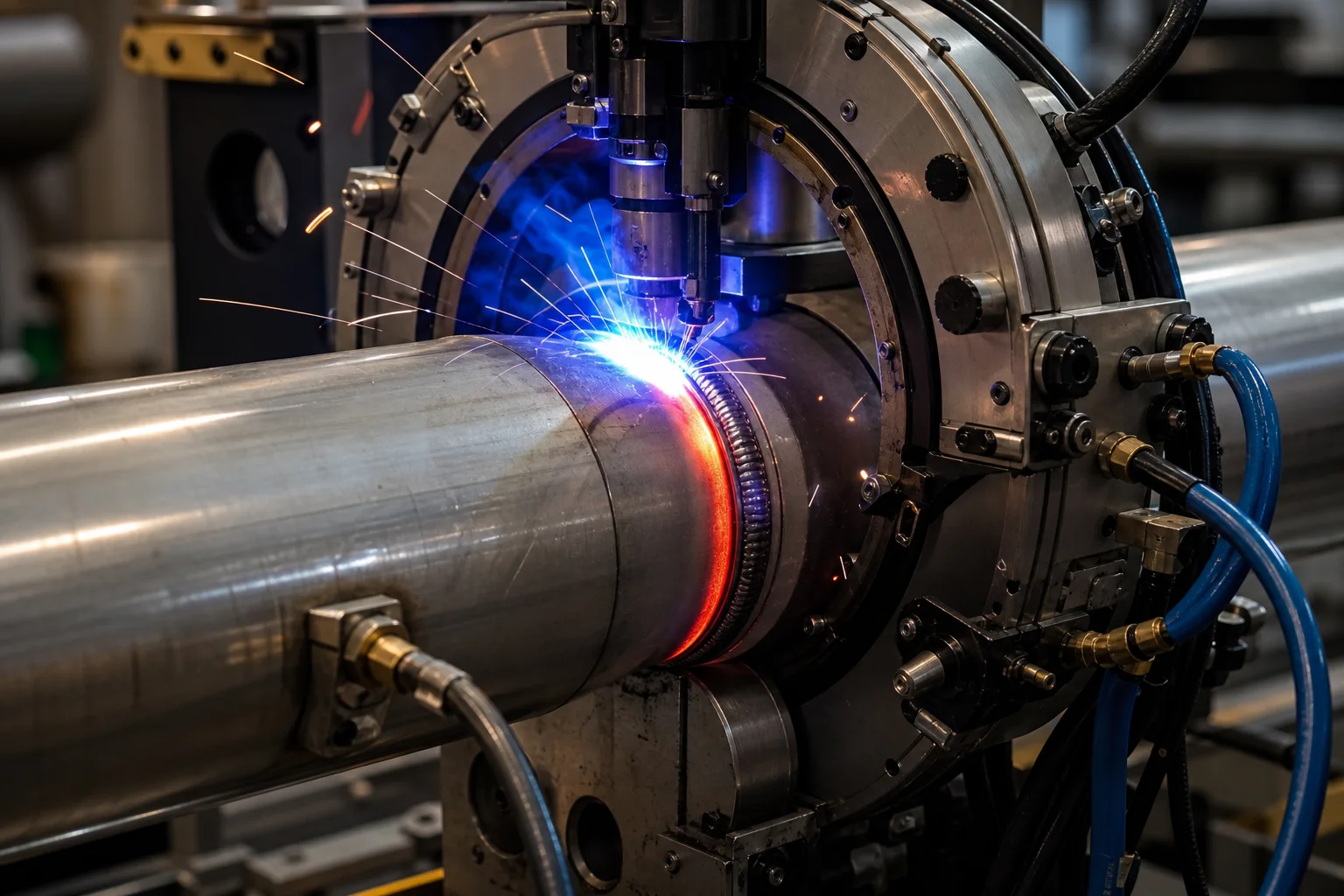
Centrifugally cast tube segments are joined to static-cast return bends (elbows), flanges, and cones using specialized Automated Orbital GTAW (TIG) Welding:
Cast Tube Bevel Preparation (Narrow Gap J-Bevel)
                   │
                   ▼
┌────────────────────────────────────────────────────────┐
│ 1. 100% Inert Argon Backing Gas Purge ($O_2 < 20\text{ ppm}$) │
│    (Prevents internal root oxidation and coking sites) │
└──────────────────┬─────────────────────────────────────┘
                   │
                   ▼
┌────────────────────────────────────────────────────────┐
│ 2. Automated Orbital TIG Welding with Matched Filler Wire│
│    (e.g., Inconel 617 / AWS A5.14 ERNiCrCoMo-1)        │
│    (Strict interpass temperature control $\le 150\text{ °C}$) │
└──────────────────┬─────────────────────────────────────┘
                   │
                   ▼
┌────────────────────────────────────────────────────────┐
│ 3. 100% Volumetric Radiographic Examination (RT)       │
│    (Zero lack of fusion, porosity, or hot micro-cracks)│
└────────────────────────────────────────────────────────┘
6. Comprehensive Quality Assurance Standards
| Inspection Parameter | Testing Standard | Acceptance Criteria |
|---|---|---|
| Chemical Analysis | Optical Emission Spectrometry (OES) | Strict conformance to ASTM A297 / A608; controlled C (), Nb () |
| High-Temp Creep Rupture | ASTM E139 ( at ) | Time to rupture on test coupons with reduction of area |
| Radiographic Testing (RT) | ASME Sec VIII Div 1 UW-51 / ISO 10675-1 | 100% radiographic inspection of all orbital butt welds and static return bends |
| Liquid Penetrant (PT) | ASTM E165 (Fluorescent Dye Penetrant) | 100% inspection of tube weld preps and outer cast surfaces; zero crack indications |
| Hydrostatic Proof Pressure | ASME B31.3 / API 530 | design pressure () held for ; zero leakage |
| Bore Concentricity & Wall | Ultrasonic Wall Gauge & Bore Probe | Tube wall thickness tolerance within ; straightness |
7. Heat-Resistant Casting Capabilities at Dandong City Pengxin Machinery Co., Ltd.
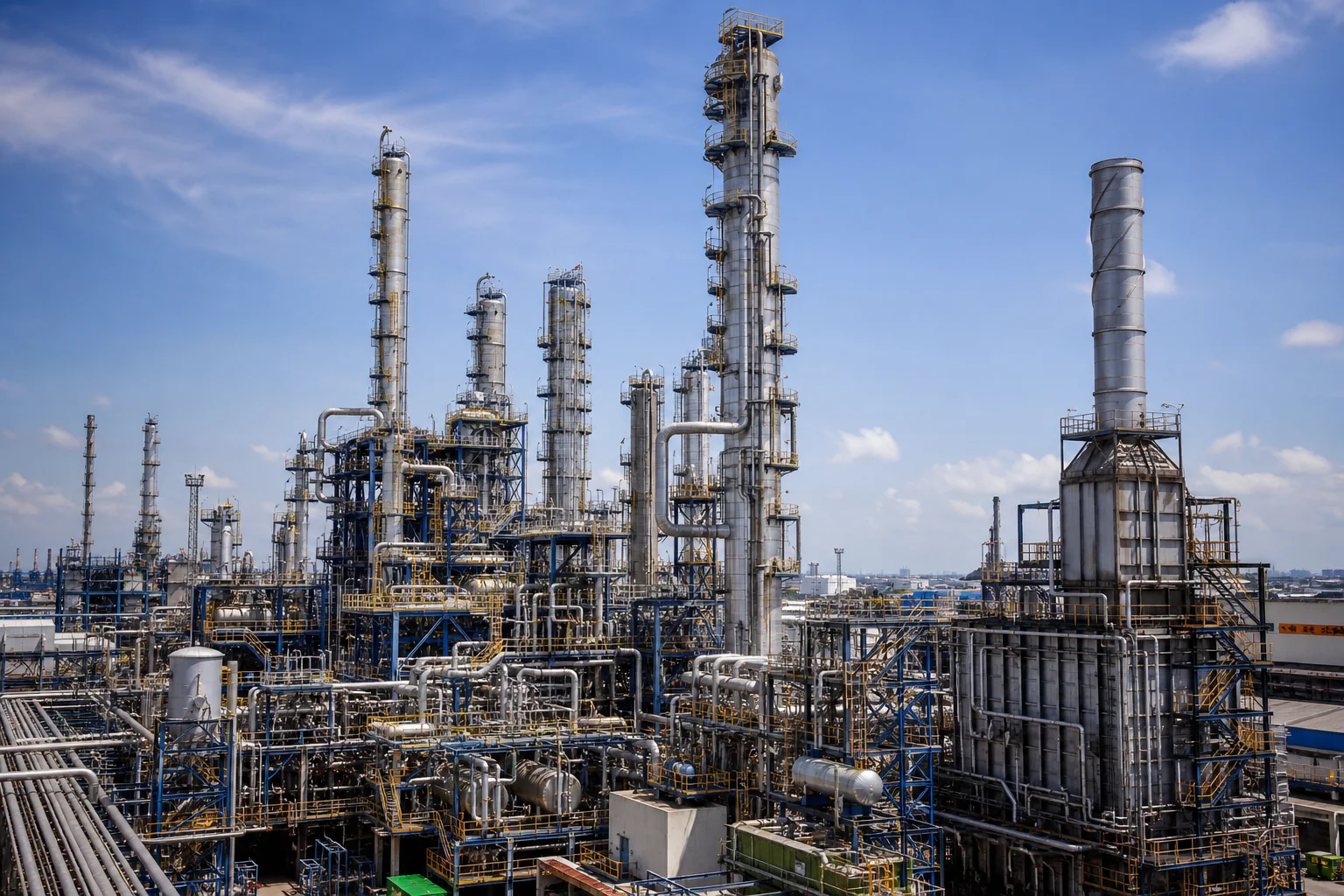
Delivering high-temperature furnace castings requires specialized induction melting, horizontal centrifugal casting equipment, precision static investment casting shops, and certified orbital welding bays.
Dandong City Pengxin Machinery Co., Ltd. delivers high-performance cast heat-resistant alloys and fabricated furnace assemblies:
- Extensive Heat-Resistant Alloy Portfolio: Certified production of HK40, HT, HP-Nb modified, HP-Microalloyed (35Cr-45Ni), HU, HW, and proprietary heat-resistant grades.
- Integrated Centrifugal & Static Casting: Modern horizontal centrifugal casting machines producing tubes up to 3 meters in length and diameters from 50 mm to 500 mm, paired with static investment casting for complex return bends and charge baskets.
- In-House Deep-Hole Pull Boring: Heavy-duty horizontal boring machines removing inner segregation layers to deliver pristine bore surface finishes.
- Certified Orbital Welding & Assembly: Cleanroom orbital GTAW welding bays producing complete prefabricated radiant U-tubes and reformer manifolds.
- Complete Quality Certification: ISO 9001 certified, providing full EN 10204 3.1 & 3.2 material test certificates, 100% RT/PT reports, and creep rupture test verification.
Conclusion
High-temperature heat-resistant castings and furnace fixtures operate at the thermodynamic extremes of industrial processing. Surviving continuous service without creep rupture, thermal sagging, or embrittling carburization demands advanced alloy chemistry (HP-Nb modified), centrifugal casting density, precision deep-hole pull boring, and defect-free orbital TIG welding.
Partnering with an experienced, integrated heat-resistant casting and machining manufacturer ensures maximum furnace thermal efficiency, extended campaign run times, and lowest cost per operating hour.
Contact Dandong City Pengxin Machinery Co., Ltd. to submit your radiant tube, reformer coil, or furnace fixture drawings.
Dandong City Pengxin Machinery Co., Ltd. — Heavy Castings and Precision Machining, Since 1958.
Table of Contents
- 1. High-Temperature Degradation Mechanisms in Thermal Furnaces
- 2. Cast Heat-Resistant Alloy Hierarchy (ASTM A297 & Industry Standards)
- 3. Centrifugal Casting vs. Static Investment Casting Technologies
- 4. Creep Rupture Life Testing & Larson-Miller Parameter
- 5. Precision Orbital TIG Welding of Radiant & Reformer Tube Assemblies
- 6. Comprehensive Quality Assurance Standards
- 7. Heat-Resistant Casting Capabilities at Dandong City Pengxin Machinery Co., Ltd.
- Conclusion