Meta Description: A technical guide to valve body casting for industrial valves. Compare WCB carbon steel, CF8/CF8M stainless steel, and duplex grades — with ASME B16.34 ratings, design rules, casting and machining processes, API 598 testing, and NDT requirements.
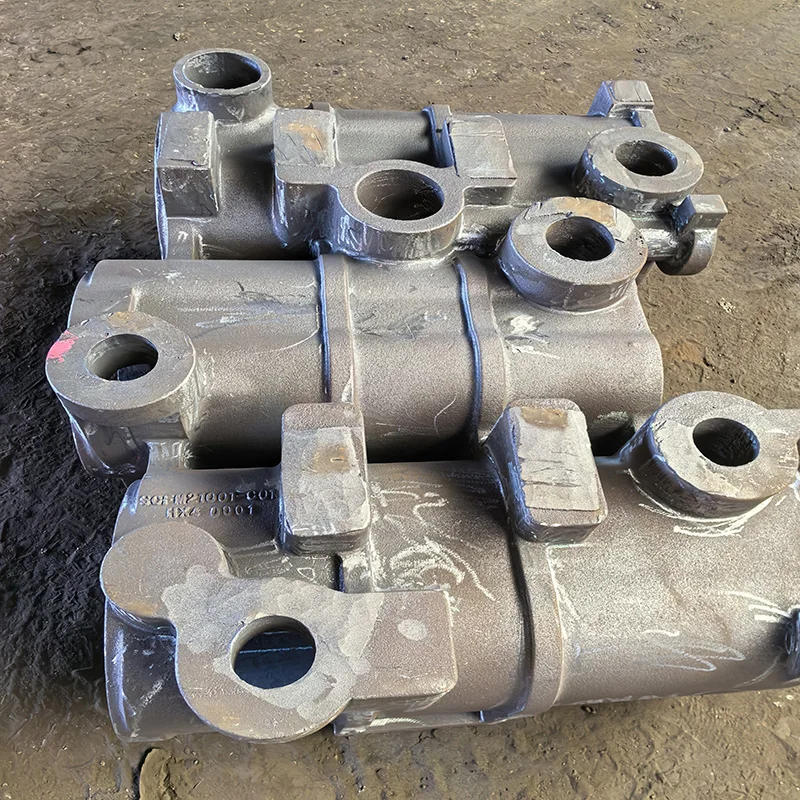
The valve body is the pressure-containing heart of every industrial valve. It carries the process fluid, holds the seating surfaces, absorbs pipeline stresses, and must contain pressure safely for decades of service. Getting the body casting right — material, design, manufacturing, and testing — is the single most important factor in valve reliability and safety.
This guide provides a comprehensive engineering overview of valve body casting: material selection with standard grade designations, pressure rating fundamentals, casting and machining processes, testing requirements, and quality documentation.
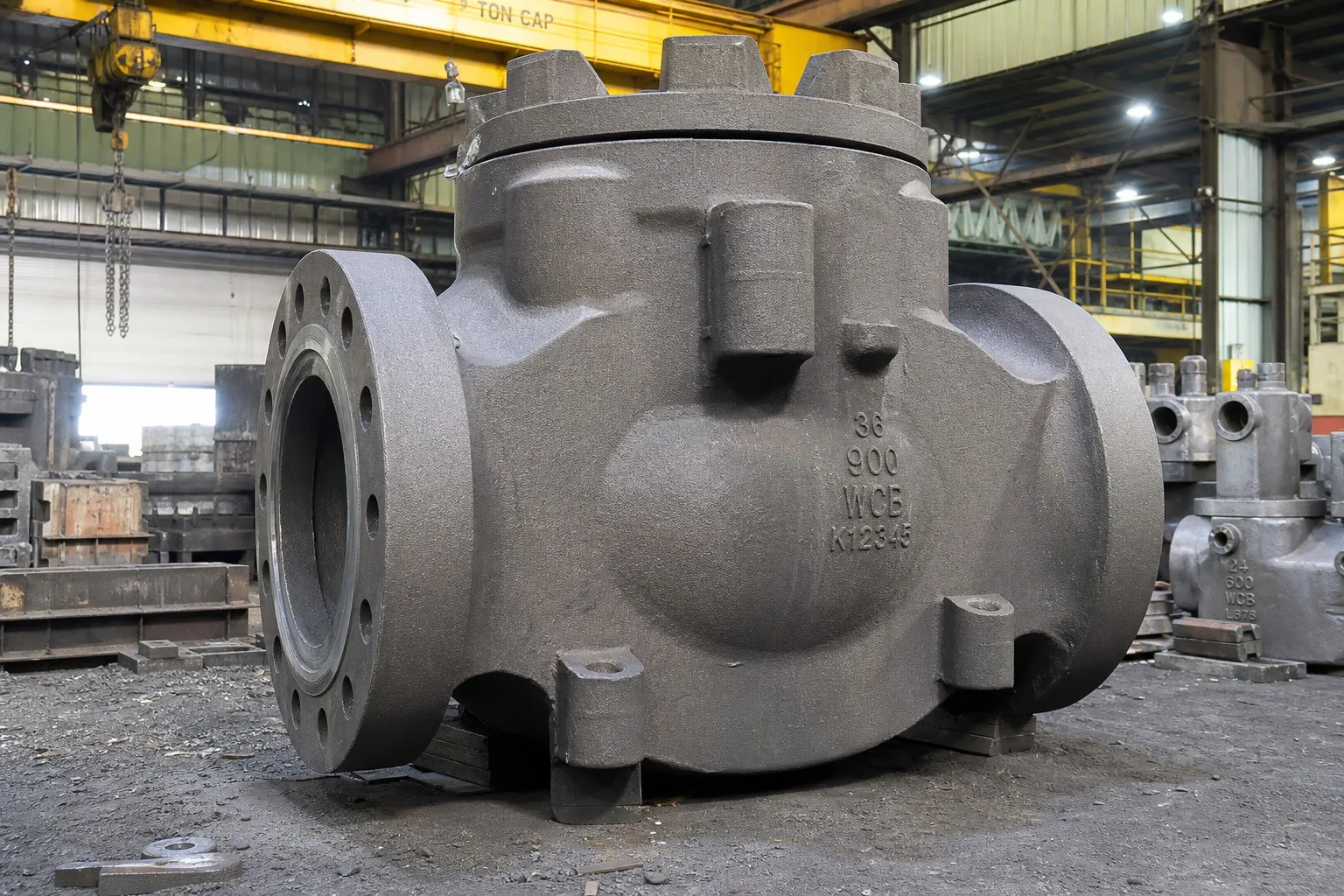
Valve bodies operate across virtually every process industry:
| Industry | Typical Service | Valve Types |
|---|---|---|
| Oil and gas | Wellhead, pipeline, refining | Gate, globe, ball, check |
| Chemical and petrochemical | Corrosive and high-temperature media | Ball, butterfly, control |
| Power generation | Steam, cooling water, feedwater | Gate, globe, check |
| Water and wastewater | Potable water, sewage | Butterfly, gate, check |
| Marine | Seawater systems | Ball, butterfly |
The body must withstand three simultaneous demands:
A casting defect in a valve body is not a cosmetic issue — it is a potential safety incident. This is why valve body castings are among the most rigorously specified, inspected, and documented castings in any foundry.
| ASTM Grade | Material Type | Typical Application | Key Properties |
|---|---|---|---|
| WCB | Carbon steel | General service, oil and gas, water | Good strength, weldable, -29 °C minimum |
| WCC | Carbon steel (improved) | Low-temperature service | Better low-temp toughness |
| LCB / LCC | Low-temperature carbon steel | Cryogenic and arctic service | Impact tested to -46 °C |
| CF8 | 304L-type stainless steel | Corrosive media, food, pharma | Excellent corrosion resistance |
| CF8M | 316L-type stainless steel | Chemical, marine, chloride service | Superior pitting resistance |
| CF3 / CF3M | Low-carbon versions of CF8/CF8M | Welded construction, corrosive | No sensitization risk |
| CD3MN | Duplex stainless steel (22Cr) | Offshore, seawater, sour gas | High strength + corrosion |
| CD3MCuN | Super duplex stainless steel (25Cr) | Extreme chloride service | Highest pitting resistance |
| C12A | 1.25Cr-0.5Mo alloy steel | High-temperature steam service | Creep resistance to 550 °C |
| WC6 / WC9 | 1.25Cr / 2.25Cr-Mo alloy steel | High-temperature power service | Elevated temperature strength |
Pressure class and temperature. Higher classes and temperatures push the designer toward alloy steels. WCB carbon steel is generally limited to -29 °C to 425 °C; above this, Cr-Mo grades (WC6, WC9, C12A) are required.
Corrosivity of the media. For corrosive or sanitary service, stainless grades (CF8, CF8M) or duplex grades (CD3MN, CD3MCuN) are chosen. The pitting resistance equivalent number (PREN = %Cr + 3.3 × %Mo + 16 × %N) is a useful ranking tool:
Fluid velocity and erosion. Abrasive or high-velocity media favor harder, more wear-resistant materials and designs with generous radii to minimize erosion at changes in flow direction.
Welding requirements. Bodies are frequently welded (end connections, repair, and fabrication welds). Carbon steel WCB welds readily; low-carbon stainless (CF3/CF3M) avoids carbide sensitization; duplex grades require controlled heat input and filler selection.
Valve body ratings follow ASME B16.34, which assigns pressure-temperature ratings by class:
| Class | Design Pressure (WCB, 38 °C) | Typical Service |
|---|---|---|
| Class 150 | 285 psi (19.6 bar) | General industrial |
| Class 300 | 740 psi (51 bar) | Process piping |
| Class 600 | 1,480 psi (102 bar) | Refinery, high pressure |
| Class 900 | 2,220 psi (153 bar) | High-pressure process |
| Class 1500 | 3,705 psi (255 bar) | Critical service |
| Class 2500 | 6,170 psi (425 bar) | Extreme service |
The rating decreases with increasing temperature — the flange-to-body integrity and wall thickness are designed for the full class rating at ambient, then derated per the standard's tables.
Minimum wall thickness is governed by:
| Valve Size | Class 150 WCB | Class 600 WCB | Class 150 CF8M |
|---|---|---|---|
| 2 in (DN50) | 7.6 mm | 10.9 mm | 7.6 mm |
| 4 in (DN100) | 9.5 mm | 15.0 mm | 9.5 mm |
| 8 in (DN200) | 12.7 mm | 21.8 mm | 12.7 mm |
| 12 in (DN300) | 15.7 mm | 28.4 mm | 15.7 mm |
Typical minimum wall thicknesses; final values per design code and manufacturer standards.
| Connection Type | Standard | Application |
|---|---|---|
| Flanged | ASME B16.5 / B16.47 | Standard process connections |
| Butt weld | ASME B16.25 | High-pressure, permanent piping |
| Socket weld | ASME B16.11 | Small bore, high pressure |
| Threaded | ASME B1.20.1 | Small, low pressure |
| Wafer / lug | Manufacturer-specific | Butterfly valves |
Flange faces are always machined after casting — the flange is cast with extra material (machining allowance) and the face, gasket surface, and bolt holes are finished by CNC machining to the required flatness and surface finish (typically Ra 3.2-6.3 µm for raised-face flanges).
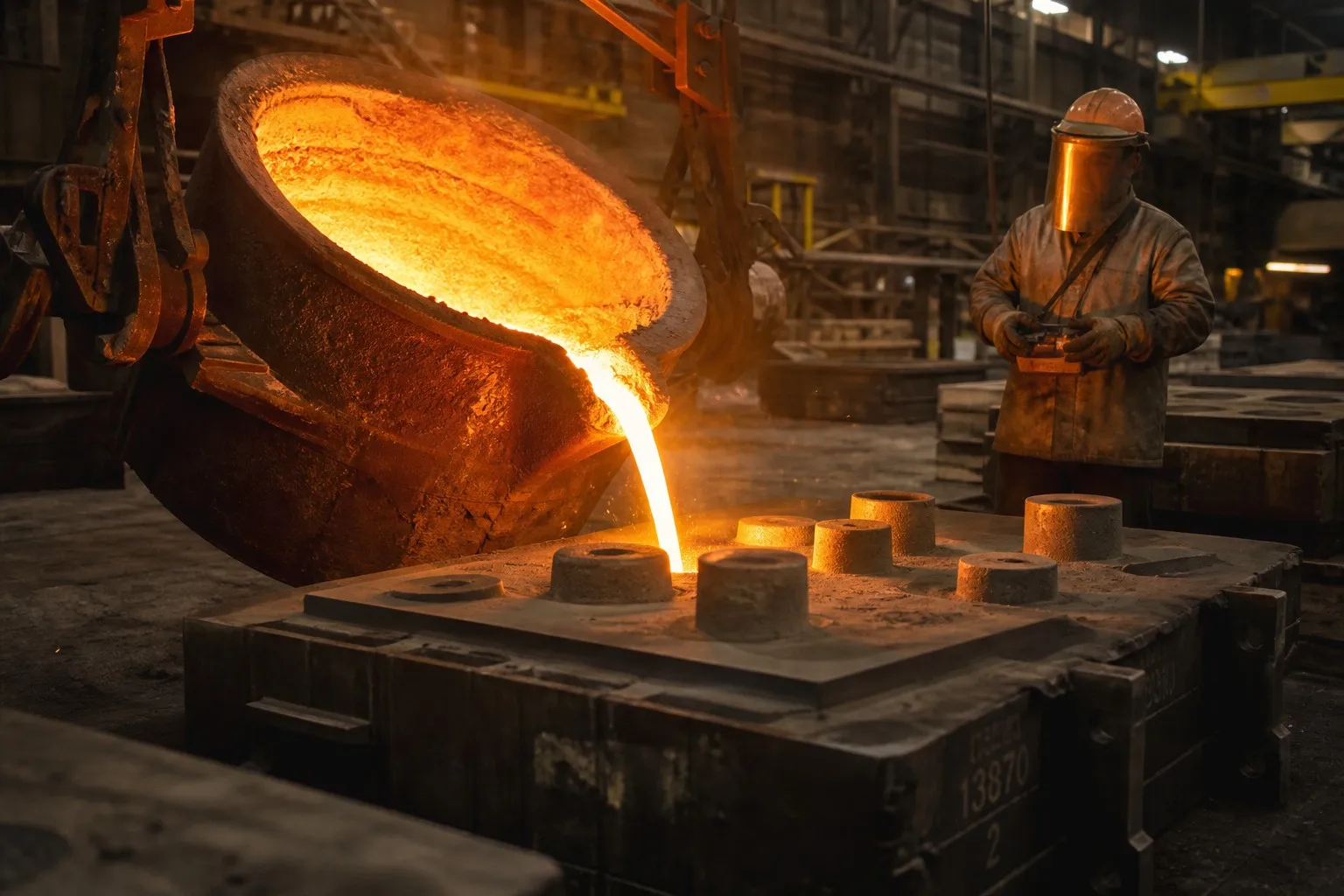
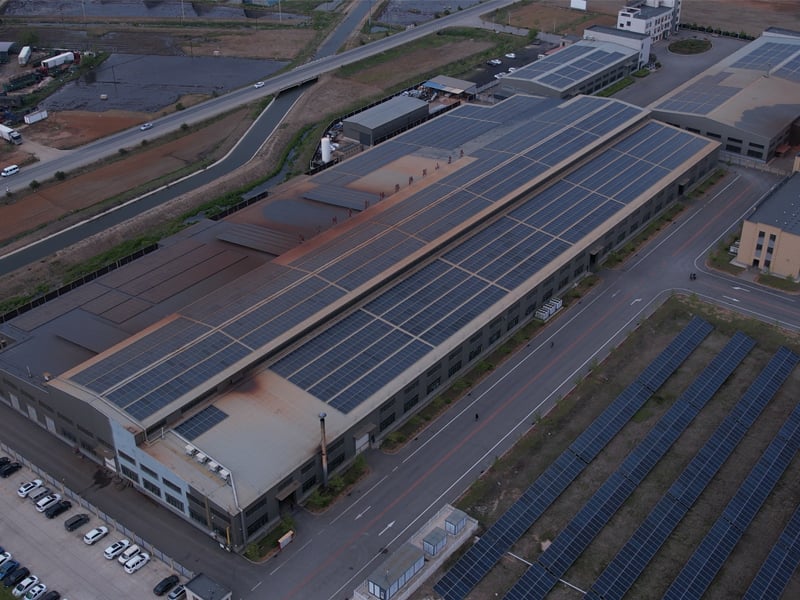
At Dandong City Pengxin Machinery Co., Ltd., valve body production spans all three processes. Sand casting serves large and high-pressure bodies (up to 25 tons per casting), while shell mold and investment casting handle smaller stainless and duplex bodies with near-net geometry — all under one quality system.
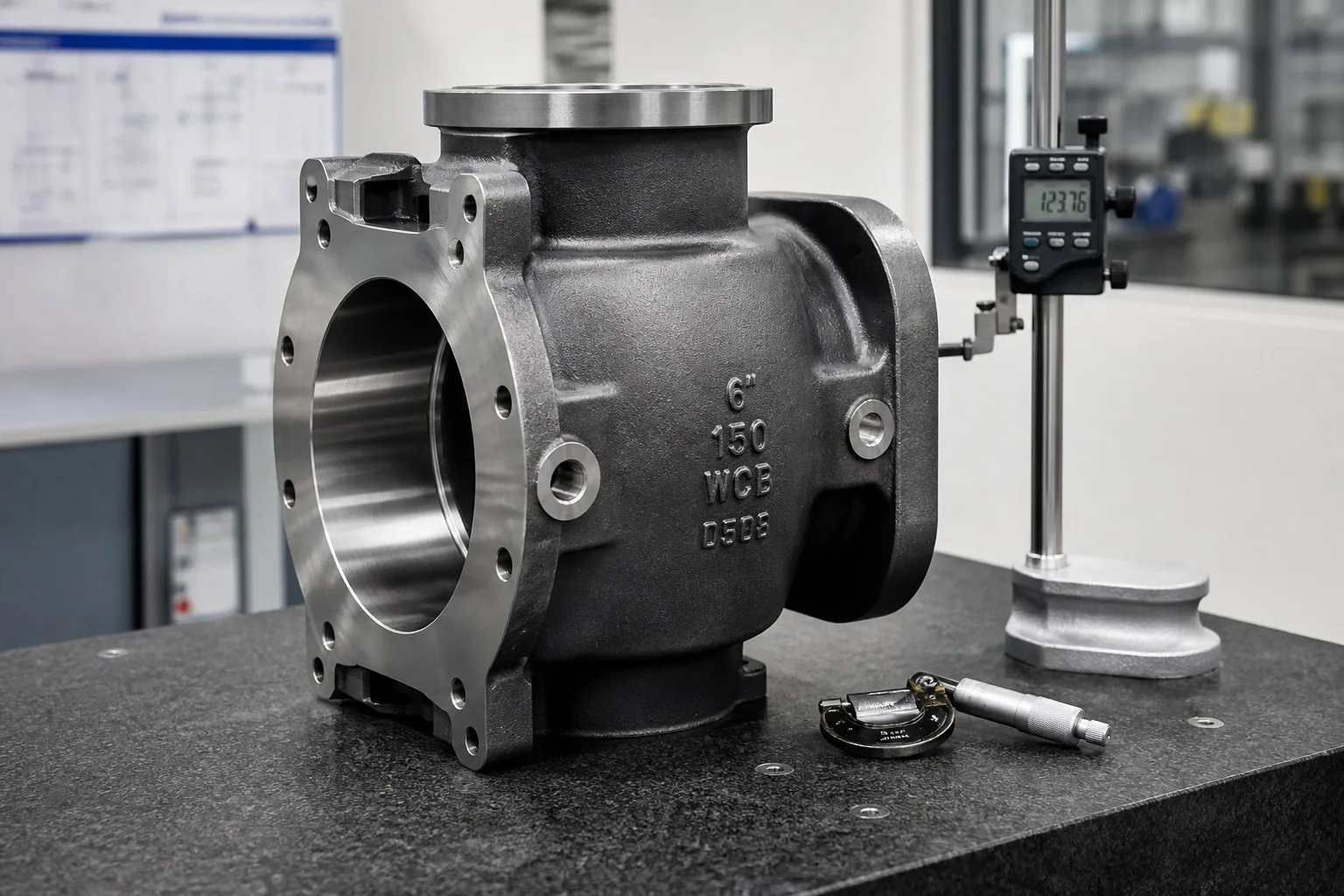
The casting delivers the pressure envelope; machining delivers the function.
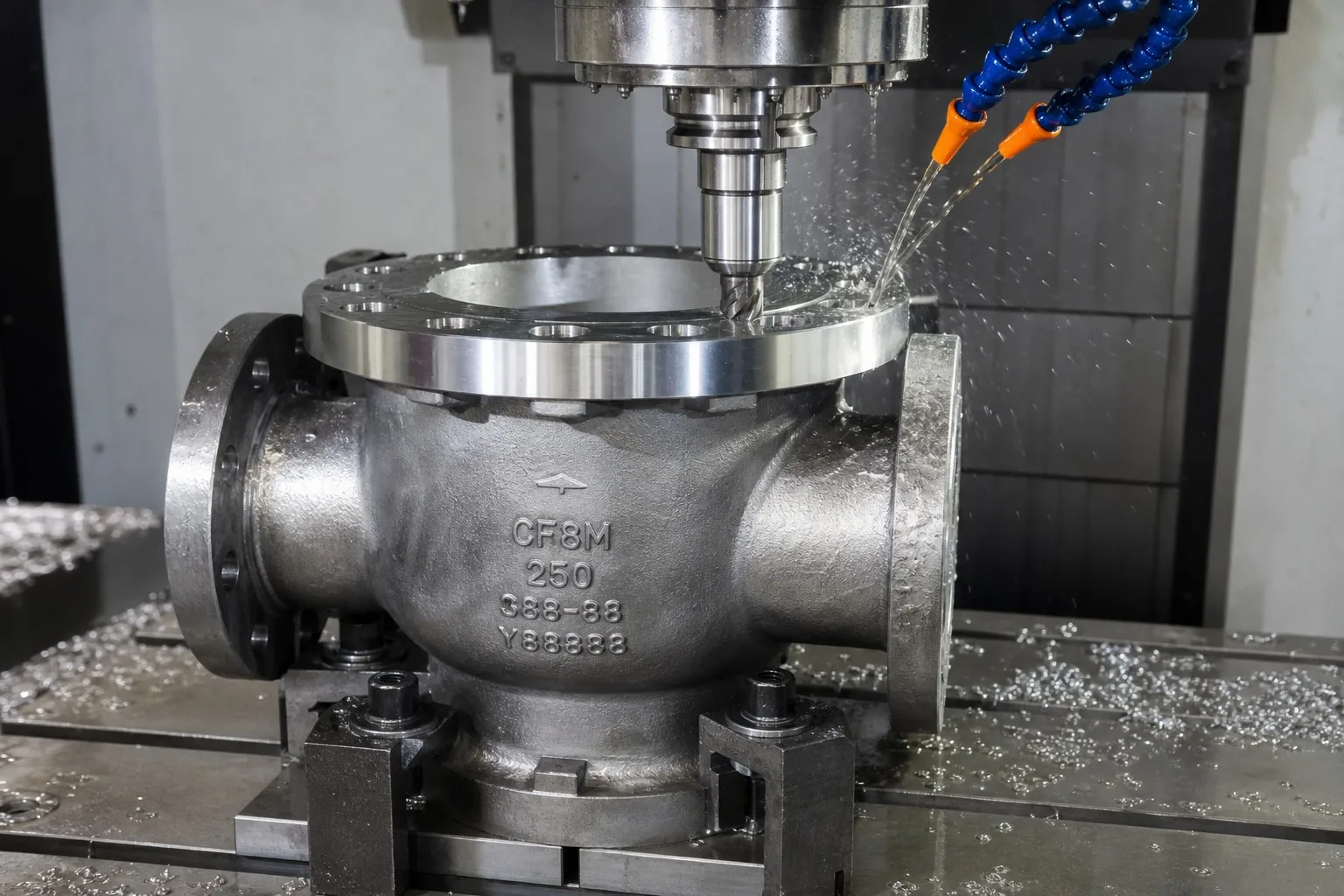
| Feature | Typical Requirement |
|---|---|
| Flange faces | Flatness 0.1 mm over face, Ra 3.2 µm |
| Seat pockets | Concentricity 0.05 mm to bore axis |
| Bore | H7-H8 tolerance, roundness 0.05 mm |
| Stud / bolt holes | Positional tolerance 0.2 mm |
| Threads | Class 2A/2B, gauged |
| Gasket grooves | Depth and width ±0.1 mm |
The bore centerline and one flange face form the primary datum reference frame. All critical features — seats, second flange, bolting — are referenced to this frame so that sealing surfaces align with the pipeline axis.
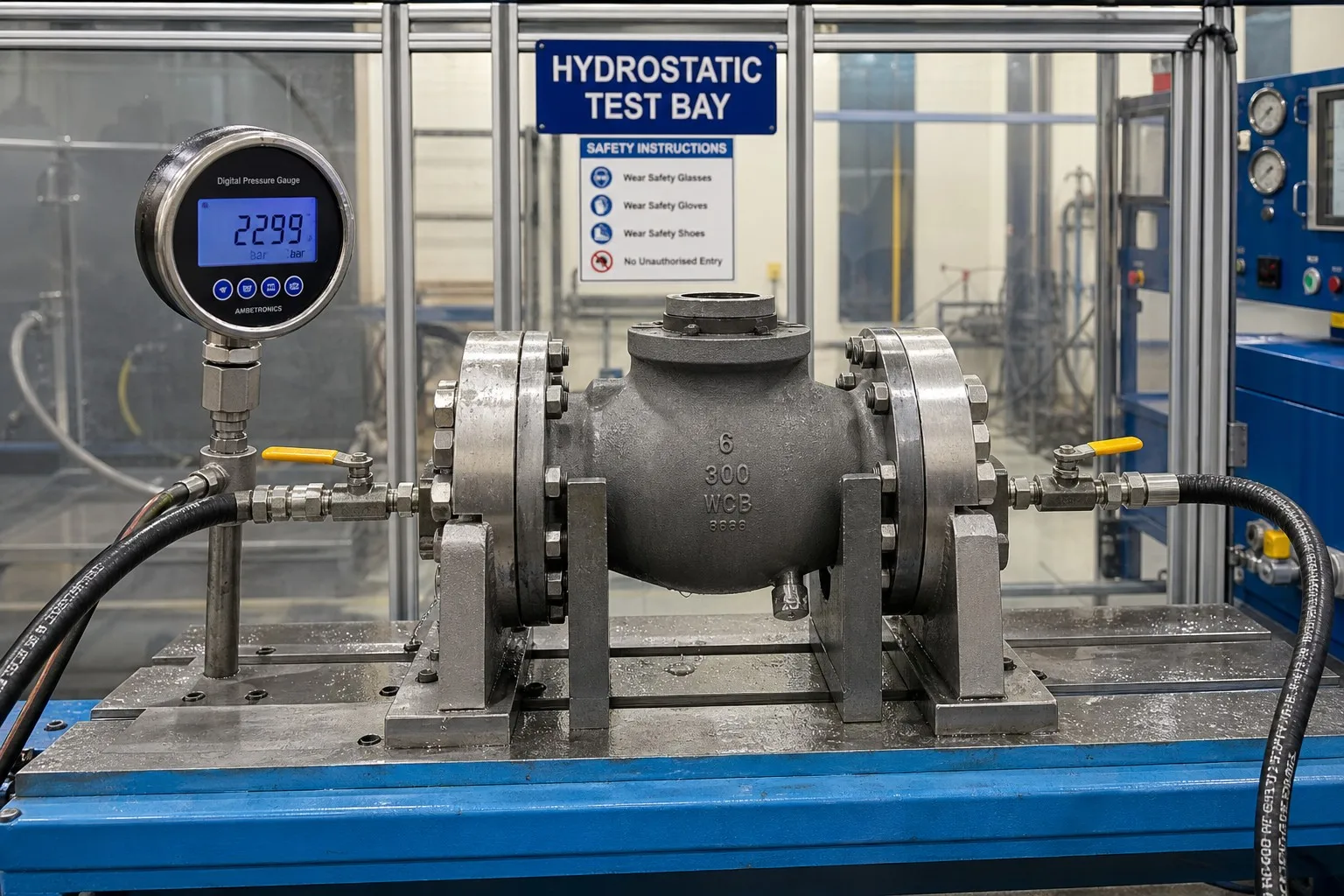
| Test | Duration (Class ≤150) | Acceptance |
|---|---|---|
| Shell (hydrostatic) | 15 min | No visible leakage, no weeping through walls |
| Backseat (where applicable) | 15 min | No leakage at rated pressure |
| Seat (hydrostatic) | 15 min | Permissible leakage per class (e.g., 0 mL/min for metal-seated) |
| Seat (pneumatic) | 15 min | Bubble-tight for soft-seated valves |
| Method | Application | Typical Standard |
|---|---|---|
| Radiographic (RT) | Volumetric integrity of pressure boundary | ASME B16.34 (minimum Class 300 +), ASTM E94 |
| Ultrasonic (UT) | Thickness and volumetric check | ASTM E114, E164 |
| Magnetic particle (MT) | Surface and near-surface cracks (ferromagnetic) | ASTM E709, ASME V |
| Dye penetrant (PT) | Surface cracks (stainless, non-ferromagnetic) | ASTM E165 |
| Visual (VT) | Surface quality per acceptance criteria | ASTM E10 |
Every valve body shipped should carry:
| Defect | Cause | Prevention |
|---|---|---|
| Shrinkage in flanges | Inadequate riser feeding | Correct riser placement and size; casting simulation |
| Gas porosity in heavy sections | Moisture in mold or charge | Dry molds, degassing, controlled pouring |
| Hot tears at flange-to-neck transition | Constrained contraction | Generous radii, mold collapsibility |
| Sand inclusions | Mold erosion, loose sand | Proper ramming, core coatings, clean pouring |
| Surface pitting (stainless) | Oxidation during pouring | Controlled atmosphere, post-cast pickling |
| Check | What to Verify |
|---|---|
| Material traceability | Full heat-to-test-report traceability |
| NDT capability | In-house RT/UT/MT/PT with qualified inspectors |
| Pressure test infrastructure | Test benches sized for your pressure class |
| Standards compliance | ASME, API, ISO, PED (CE) as required |
| Machining integration | In-house machining avoids double handling |
| Documentation | EN 10204 3.1/3.2 capability |
Valve body casting is a discipline where material science, pressure vessel design, casting technology, precision machining, and rigorous testing converge. The bodies that serve refineries, offshore platforms, power plants, and water networks for decades are the product of disciplined engineering at every step — from grade selection to the final hydrostatic test stamp.
Dandong City Pengxin Machinery Co., Ltd. has manufactured valve bodies and pressure-containing castings since 1958 — in carbon steel, stainless steel, duplex, and alloy steel — with in-house casting, heat treatment, CNC machining, NDT, and pressure testing under one ISO 9001 quality system.
If you are developing or sourcing a valve body casting, send us your specification — our engineers will review the material, casting, and testing requirements with you before you commit to tooling.
Dandong City Pengxin Machinery Co., Ltd. — Heavy Castings and Precision Machining, Since 1958.
 Hot News
2026-10-16
2026-10-09
2026-10-02
2026-09-25
2026-09-18
2026-09-11

Dandong City Pengxin Machinery was founded in 1958, is a set of casting, machining and assembly as one of the private enterprises.
Wangjiapu Group, Xinan Village, Qianyang Town, Donggang City, Dandong City, Liaoning Province, China
Copyright © Dandong City Pengxin Machinery Co.,Ltd. All Rights Reserved Privacy Policy Blog
 EN
EN