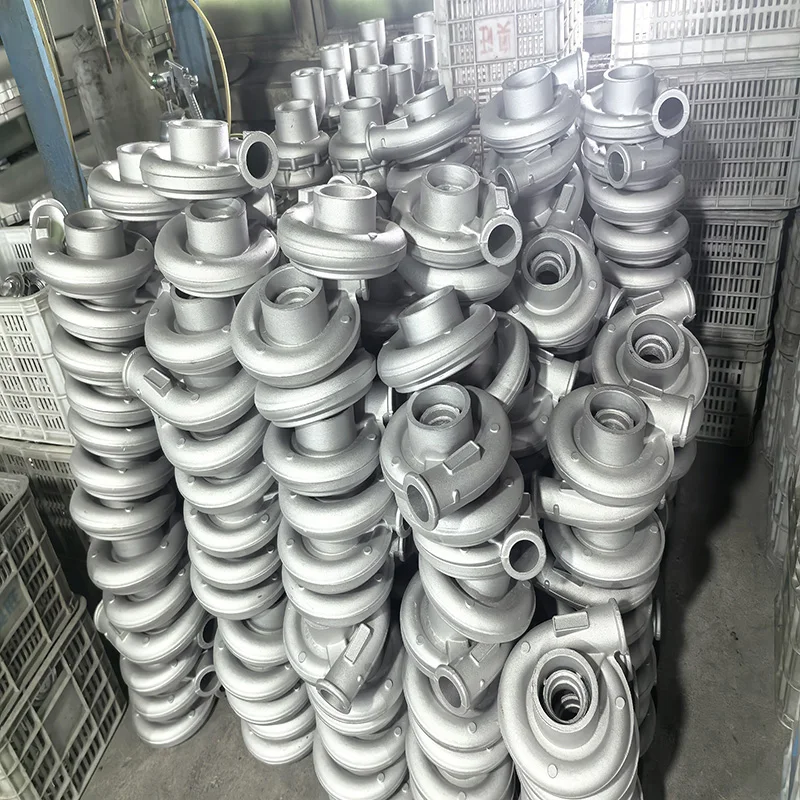
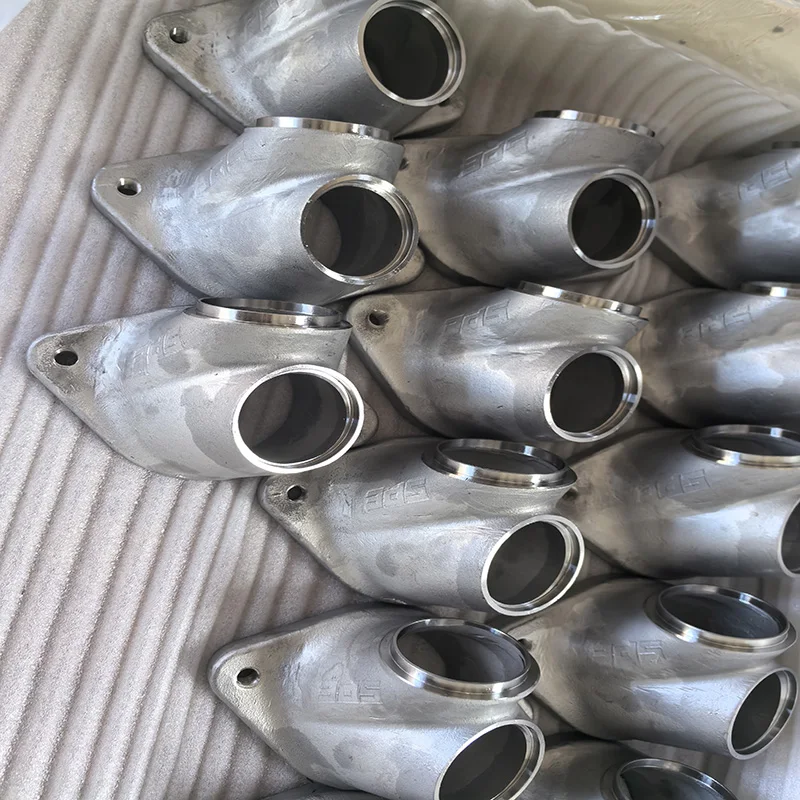
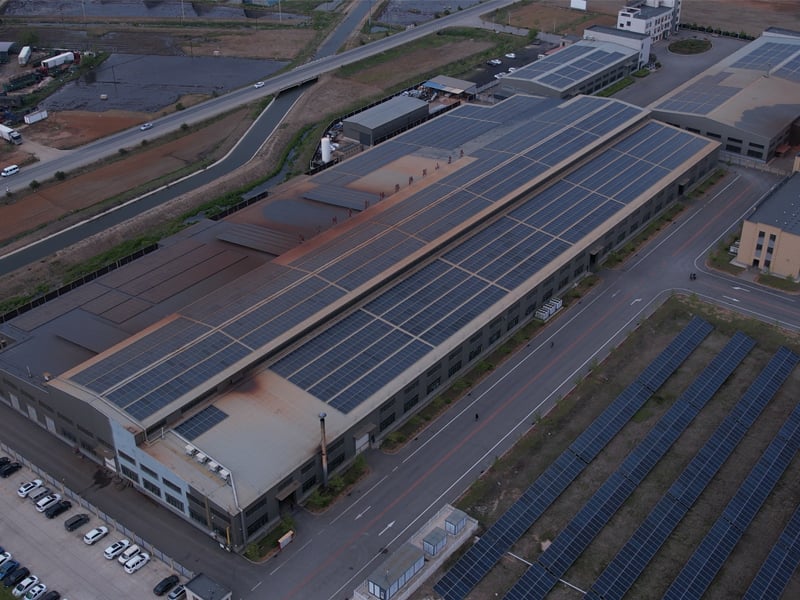
Meta Description: A technical guide to heavy cast alloy steel gear blanks, rotary kiln girth gears, and ball mill trunnions. Explore alloy steel selection (42CrMo4, 34CrNiMo6, ASTM A148), directional feeding of 5-25 ton sections, Q&T heat treatment, and vertical lathe CNC turning.
In heavy mineral processing, cement manufacturing, marine propulsion, and heavy lifting infrastructure, massive rotational power transmission components operate under extreme multi-axial mechanical stresses. A single cement rotary kiln girth gear or ball mill trunnion hub can measure 4 to 12 meters in diameter, weigh between 5 and 30 tons, and transmit continuous torque exceeding several million Newton-meters over decades of non-stop operation.
Under these punishing conditions, structural integrity is non-negotiable. A subsurface shrinkage pore at a gear tooth root or an un-tempered martensitic segregation pocket in a trunnion fillet radius will initiate catastrophic high-cycle fatigue spalling or tooth fracture, halting entire production plants and costing millions in lost production.
Achieving absolute soundness in massive alloy steel castings requires advanced metallurgical deoxidation, heavy-section directional solidification modeling, multi-stage quenching & tempering (Q&T), and ultra-precise large-envelope CNC vertical turning and hobbing.
This comprehensive guide details the alloy steel metallurgy, heavy feeding design, Q&T heat treatment cycles, ultrasonic volumetric validation, and heavy CNC machining strategies for heavy gear blanks and mill trunnions.
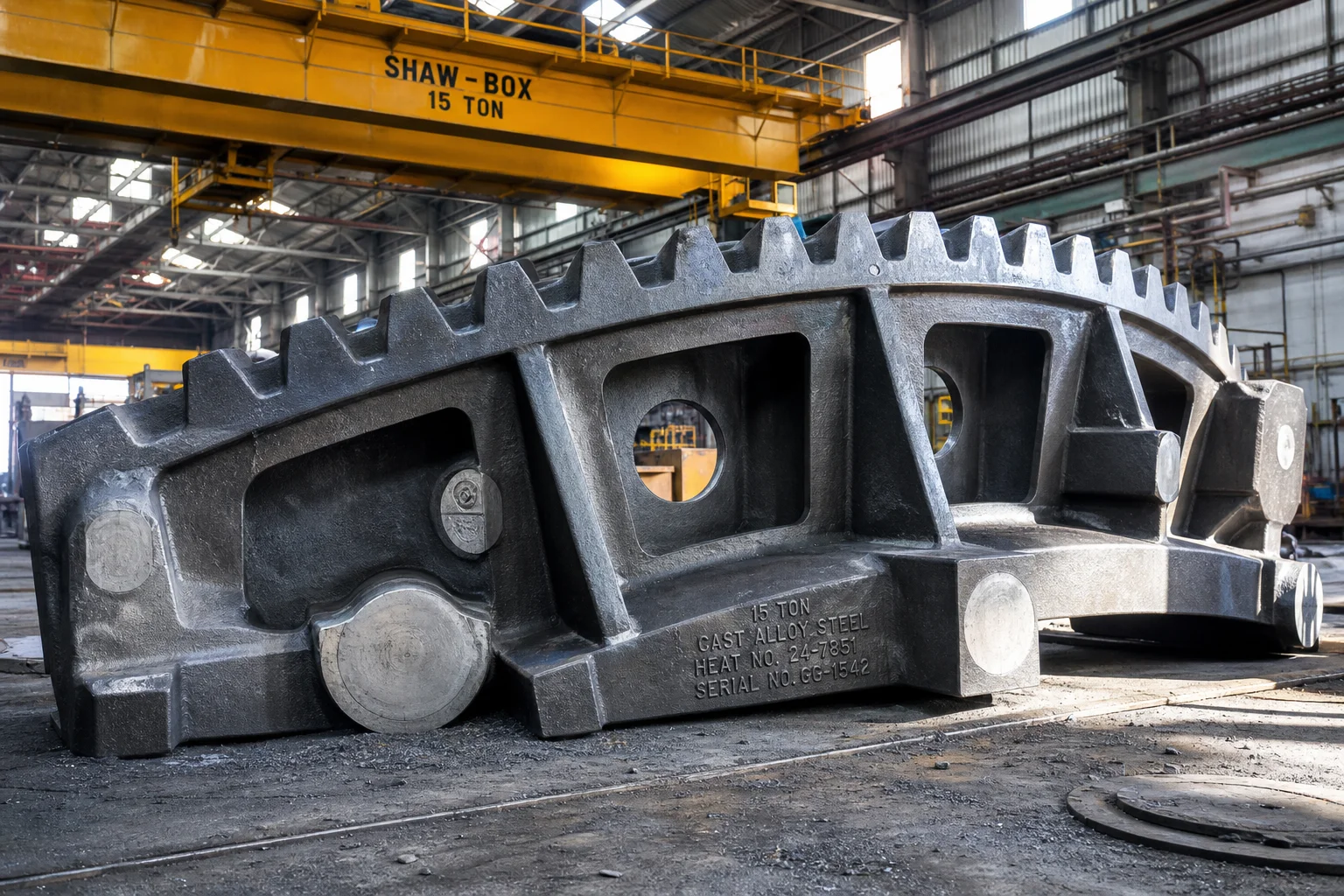
Heavy industrial gear blanks and trunnion hubs operate under continuous cyclic bending, heavy contact hertzian fatigue, and shock impact:
                      ┌──────────────────────────────────────────────┐
                      │ Heavy Torque Transmission (>1,000,000 N·m)   │
                      └──────────────────────┬───────────────────────┘
                                             │
        ┌────────────────────────────────────┼────────────────────────────────────┐
        ▼                                    ▼                                    ▼
┌───────────────────────────────┐  ┌───────────────────────────────┐  ┌───────────────────────────────┐
│ Contact Hertzian Fatigue      │  │ Tooth Root Bending Fatigue    │  │ Trunnion Journal Deflection   │
│ (Subsurface shear stress      │  │ (Cyclic cantilever bending    │  │ (Rotational reverse bending   │
│  causing pitting & spalling)  │  │  at root fillet transitions)  │  │  and bearing journal wear)    │
└───────────────────────────────┘ └───────────────────────────────┘ └───────────────────────────────┘| Operating Component | Primary Dynamic Load | Critical Failure Mode to Prevent | Key Foundry Requirement |
|---|---|---|---|
| Rotary Kiln Girth Gear (Split Ring) | Continuous thermal radiation () + torsional cyclic shear | Tooth root fatigue cracking, joint flange loosening | 100% volumetric sound steel at tooth root zones (EN 10228-3 Class 3 UT) |
| Ball Mill Trunnion Hub | Combined multi-ton tumbling charge load + journal reverse bending | Journal surface fatigue spalling, trunnion neck fracture | High Charpy impact toughness ( at ); zero linear NDT indications |
| Heavy Crane Hoist Bull Gear | Extreme starting torque + sudden shock overload | Tooth gross plastic deformation or tooth shearing | High yield strength () with high core ductility |
Heavy section castings ( wall thickness) exhibit significant hardenability drop at their thermal centers during quenching. Selecting the correct alloying elements (Chromium, Nickel, Molybdenum) ensures uniform microstructure through the entire section thickness:
| Material Standard | Common Equivalent Grades | Nominal Chemical Composition (wt%) | Mechanical Properties (After Q&T) | Ideal Industrial Application |
|---|---|---|---|---|
| ASTM A148 Gr 90-60 / ZG35CrMo | EN 10293 G34CrMo4 / 1.7220 | Standard ball mill girth gears, crane drum gears | ||
| ASTM A148 Gr 115-95 / ZG42CrMo | EN 10293 G42CrMo4 / 1.7225 | High-torque kiln girth gears, heavy pinion blanks | ||
| High-Strength Ni-Cr-Mo Steel | 34CrNiMo6 / DIN 1.6582 / ZG35CrNiMo | Heavy mill trunnions, extreme impact mining drive hubs | ||
| Heavy Cast Carbon Steel | ASTM A216 WCB / GS-20Mn5 | Non-geared mill feed heads, low-speed trunnion sleeves |
Casting 15-ton girth gears or trunnions involves massive thermal masses. The casting modulus () of the gear rim or trunnion flange frequently exceeds . Without disciplined directional feeding, extensive macro-shrinkage cavities will form right at the gear pitch circle diameter.
┌─────────────────────────────────────────────────────────────┐
│ Directional Solidification Strategy for Heavy Gear Blanks   │
├─────────────────────────────────────────────────────────────┤
│ 1. Deploy Heavy Exothermic Insulating Feeder Sleeves        │
│    • Feeder Modulus $M_{\text{feeder}} \ge 1.4 \times M_{\text{rim}}$│
│    • Keeps liquid feed head open for over 90 minutes        │
├─────────────────────────────────────────────────────────────┤
│ 2. Strategic Placement of Internal & External Steel Chills  │
│    • High-conductivity steel chills at T-junction fillets   │
│    • Forces rapid directional freezing from web to rim      │
├─────────────────────────────────────────────────────────────┤
│ 3. Automated Alkaline Phenolic No-Bake Sand Molding         │
│    • High mold compaction and zero mold wall movement under │
│      massive ferrostatic liquid pressures                   │
├─────────────────────────────────────────────────────────────┤
│ 4. Bottom-Swirl Tangential Gating with Ceramic Filtration    │
│    • Clean, non-turbulent filling to prevent slag inclusion │
└─────────────────────────────────────────────────────────────┘To achieve the precise balance of high tooth-root yield strength and bulk toughness, heavy alloy steel castings undergo an intensive heat treatment program:
As-Cast State: Coarse Ferrite-Pearlite + Residual Stresses
                    │
                    ▼
┌────────────────────────────────────────────────────────┐
│ 1. Full Normalizing (890 °C – 920 °C) + Air Cool       │
│    (Refines coarse as-cast dendritic grain structure)  │
└───────────────────┬────────────────────────────────────┘
                    │
                    ▼
┌────────────────────────────────────────────────────────┐
│ 2. High-Temperature Austenitizing (860 °C – 890 °C)    │
│    (Fully dissolves alloying elements into austenite)  │
└───────────────────┬────────────────────────────────────┘
                    │
                    ▼  Polymer / High-Agitation Water Quench
┌────────────────────────────────────────────────────────┐
│ 3. Severe Quenching (Rapid Heat Extraction)            │
│    (Transforms surface & core to fine Martensite/Bainite)│
└───────────────────┬────────────────────────────────────┘
                    │
                    ▼
┌────────────────────────────────────────────────────────┐
│ 4. High-Temperature Tempering (580 °C – 640 °C)        │
│    (Relieves stresses; produces Tempered Sorbitic Matrix)│
└────────────────────────────────────────────────────────┘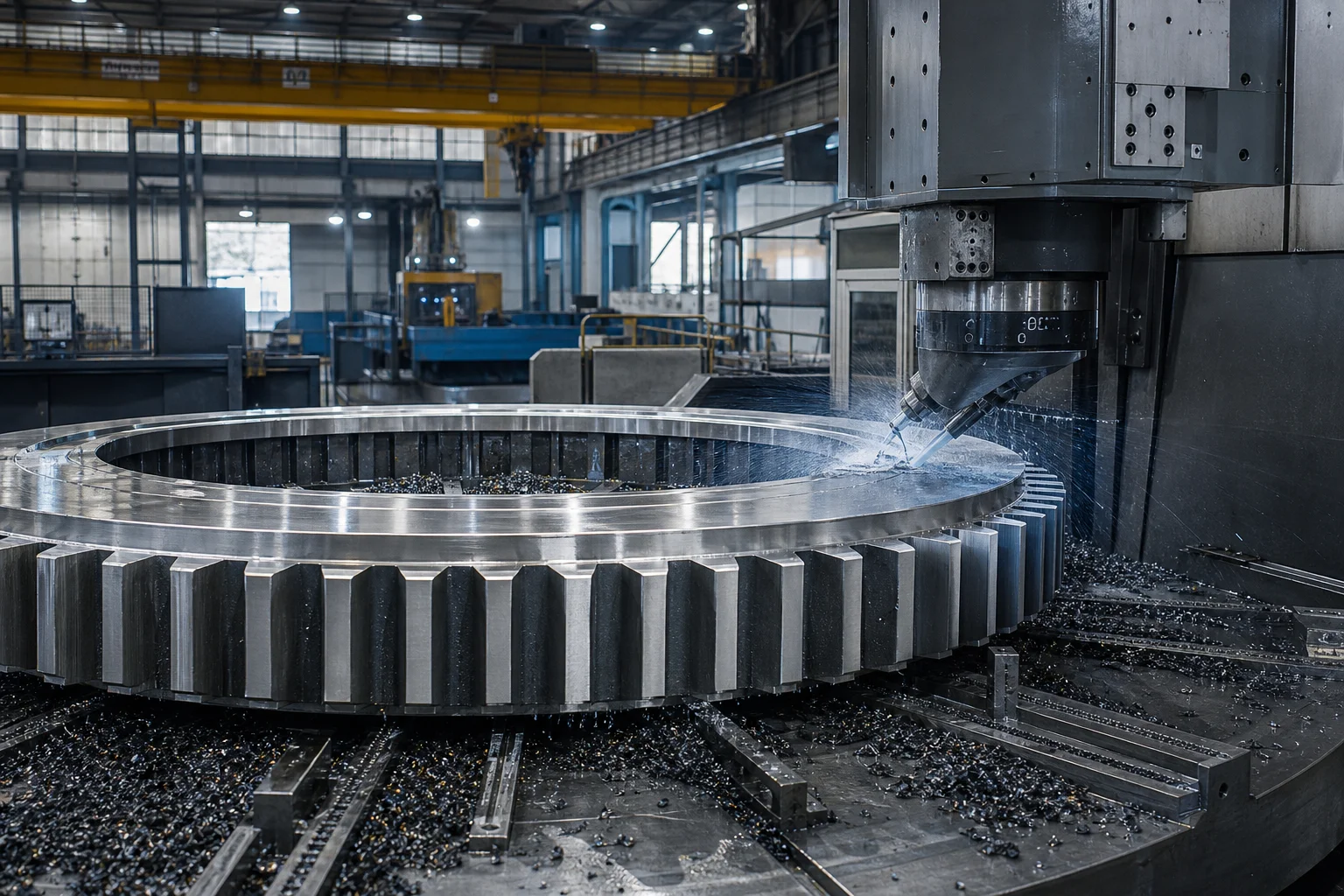
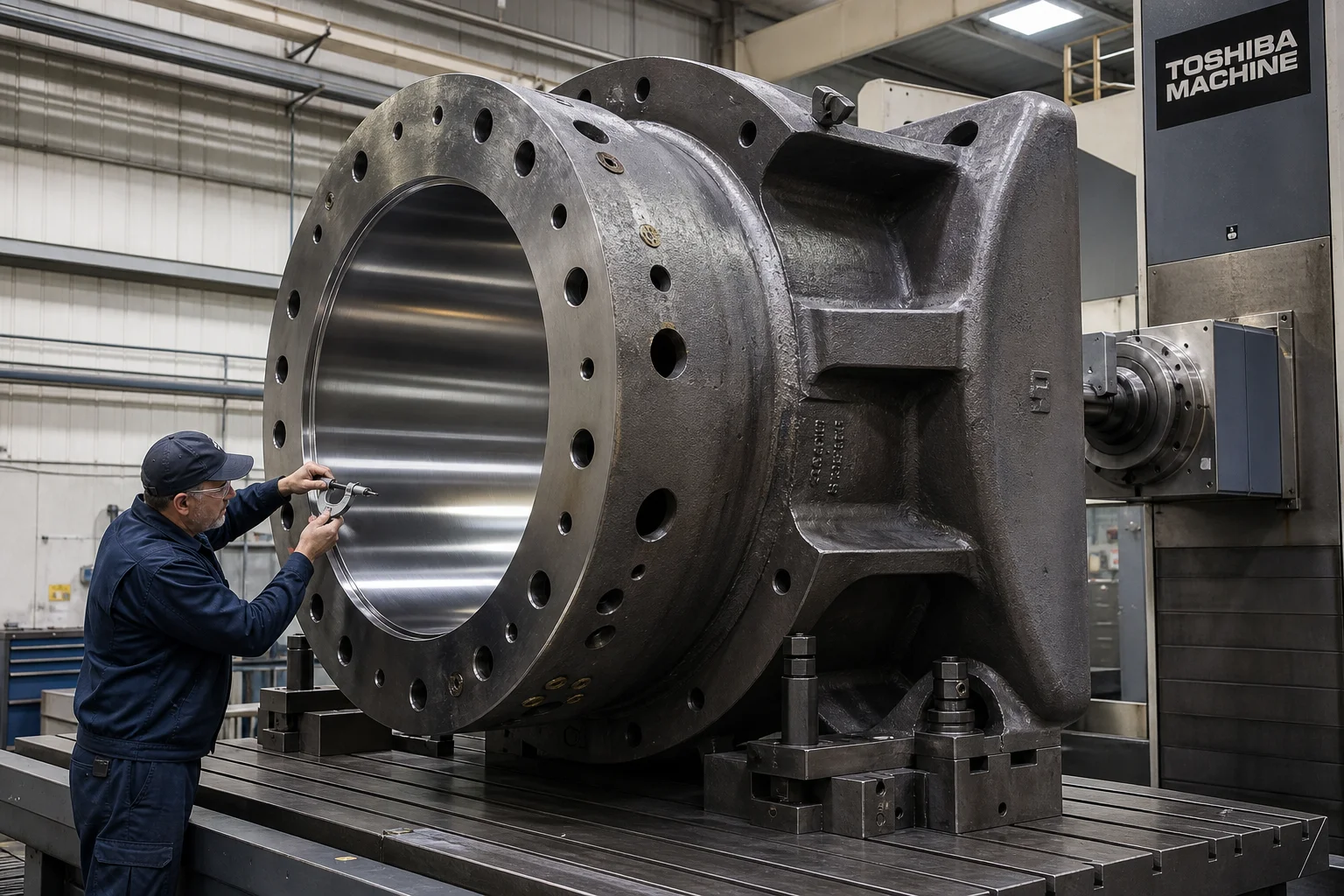
Machining large 6-meter diameter split girth gears and mill trunnions demands heavy-duty machine tools with exceptional stiffness and thermal stability:
| NDT / Quality Verification | Standard / Test Specification | Acceptance Criteria |
|---|---|---|
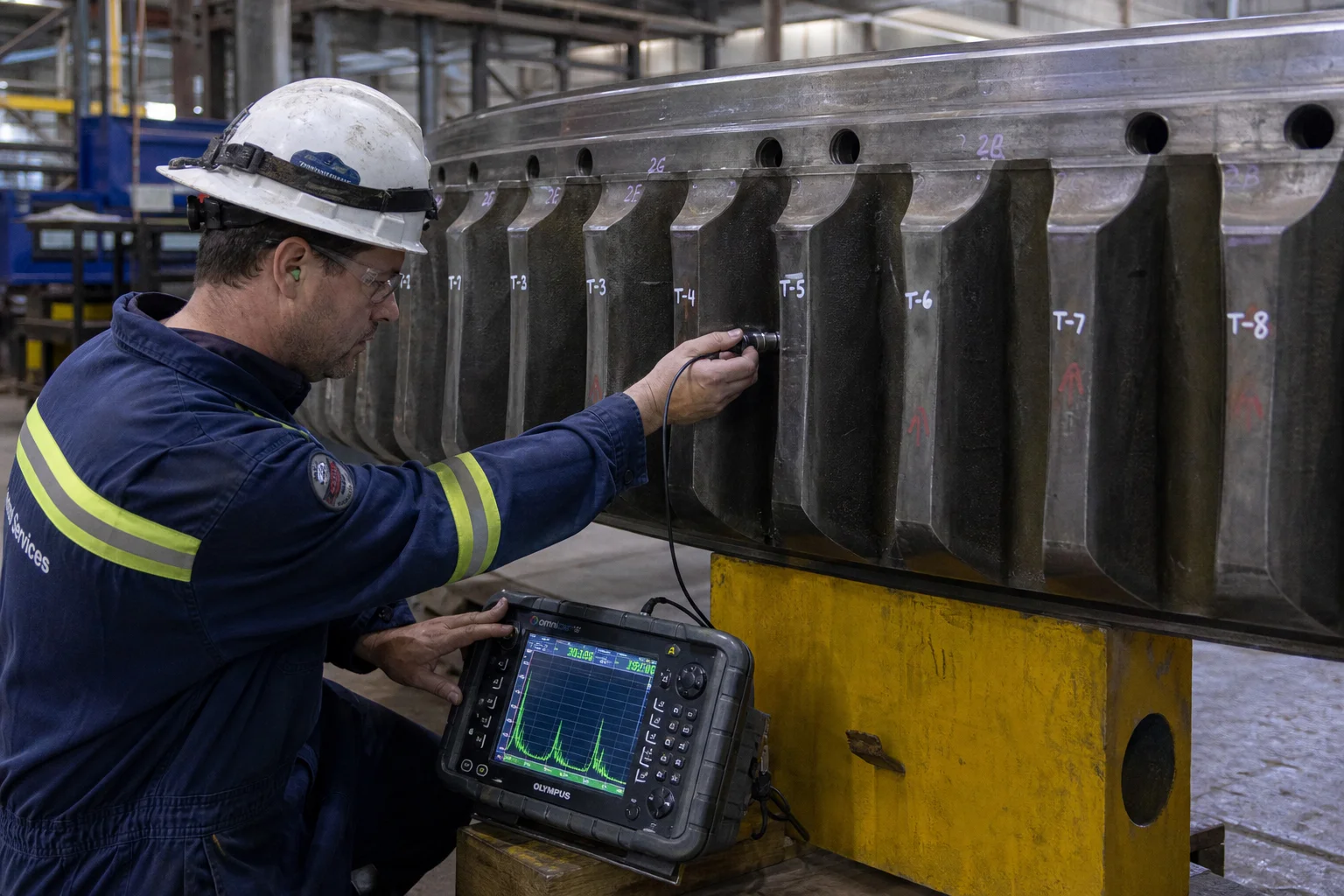
| Ultrasonic Testing (UT) | EN 10228-3 Class 3 / ASTM A609 | 100% volumetric scanning; zero defect indications exceeding flat bottom hole in tooth zone |
| Magnetic Particle Testing (MT) | EN 10228-1 / ASTM E709 (Fluorescent) | 100% coverage of all machined tooth roots, gear fillets, and trunnion radii; zero linear crack indications |
| Chemical Analysis | Optical Emission Spectrometry (OES) | Complete heat-by-heat spectrometry; strict control of |
| Tensile & Impact Testing | ISO 6892-1 / ASTM E23 on attached test blocks | Verified yield, tensile, elongation, and Charpy impact toughness ( at ) |
| Dimensional & Gear Tooth Scan | Portable 3D Laser Tracker & Gear Tooth Pitch Micrometer | Full verification of pitch circle runout, lead error, and flange squareness |
Manufacturing heavy alloy steel gear blanks and mill trunnions requires massive crane capacity, computer-controlled heat treatment furnaces, and large-envelope CNC machining centers.
Dandong City Pengxin Machinery Co., Ltd. delivers fully certified, turnkey heavy alloy steel and ductile iron castings:
- Heavy Tonnage Infrastructure: 80,000 m² facility with heavy dual overhead cranes capable of pouring single alloy steel castings from 1 ton up to 25 tons.
- Alloy Steel Metallurgical Depth: Certified production of 42CrMo4, 34CrNiMo6, ASTM A148 grades, and heavy-section high-strength ductile irons.
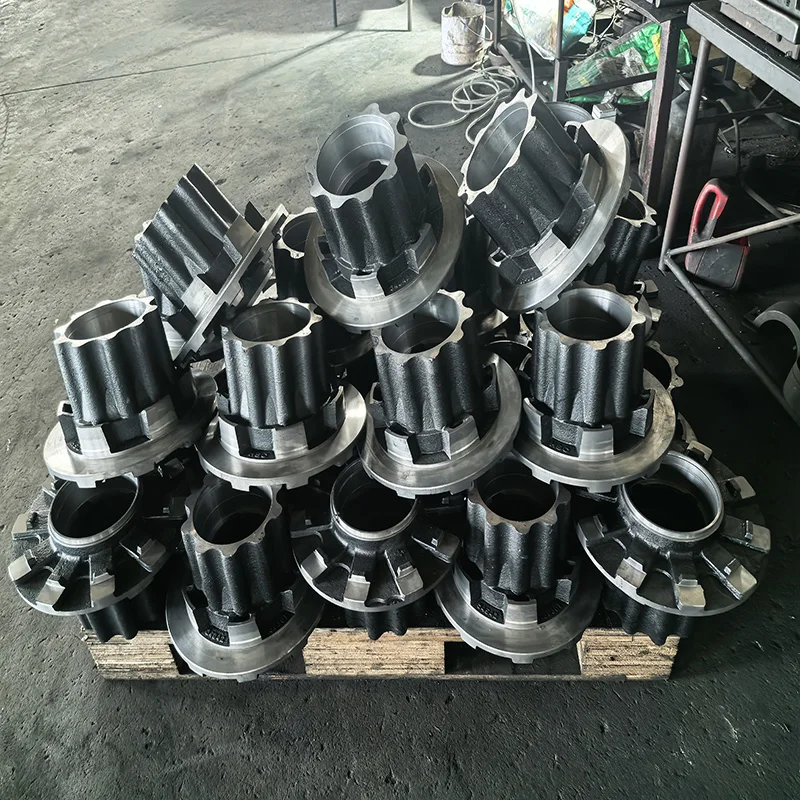
- Large-Envelope CNC Machining: Large vertical turning lathes, heavy gantry milling machines, and gear hobbers delivering turnkey finished gear rings and trunnions.
- Full Heat Treatment Facility: Automated computer-controlled normalizing, water/polymer quenching, and tempering furnaces with calibrated thermocouple mapping.
- Complete Certification: ISO 9001 quality system, full EN 10204 3.1 material certificates, 100% UT/MT inspection reports, and dimensional laser scan documentation.
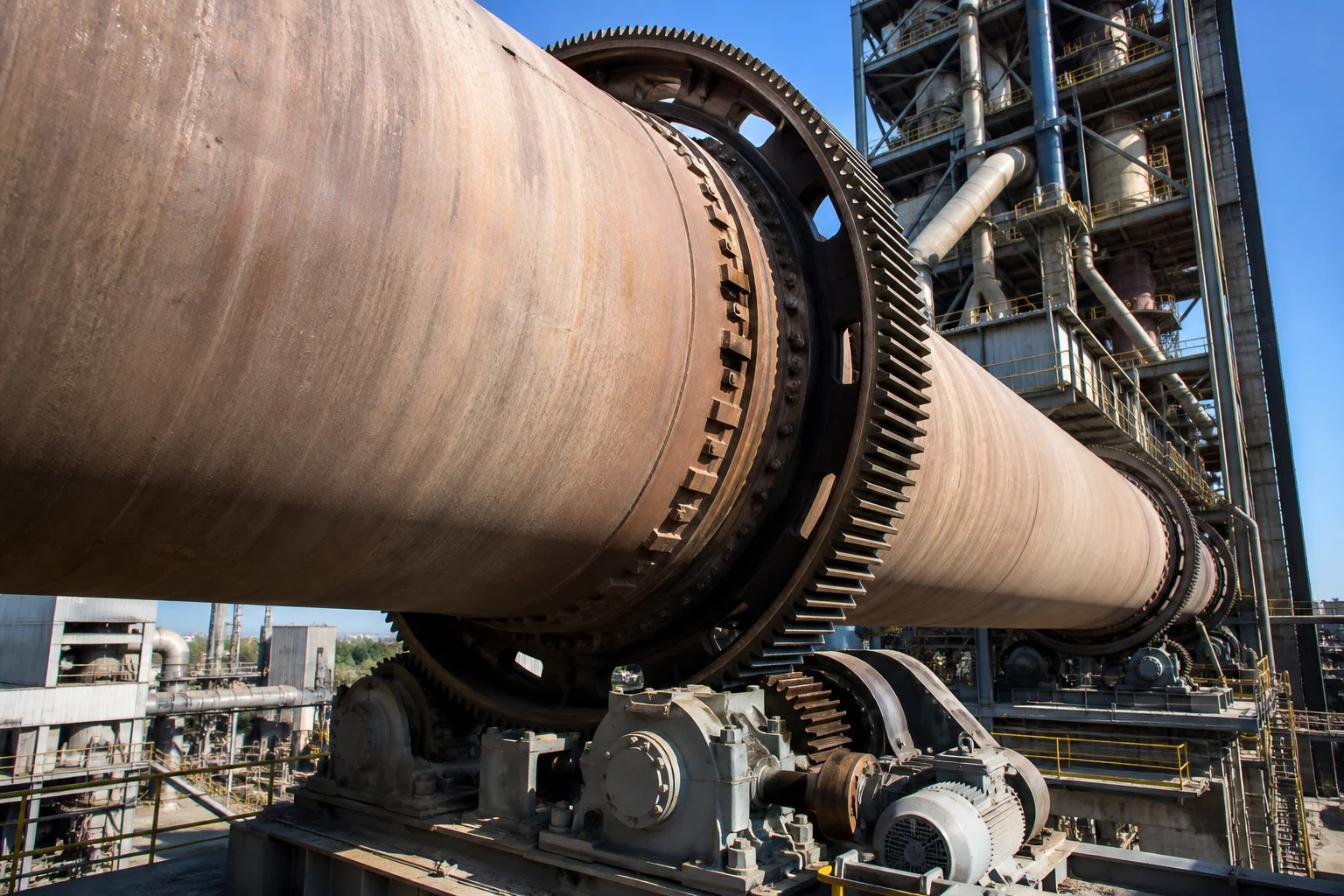
Heavy gear blanks and mill trunnions represent the critical mechanical power cores of the world's heaviest mining, cement, and industrial infrastructure. Preventing catastrophic gear tooth breakage or journal spalling demands scientific solidification risering, clean alloy steel deoxidation, disciplined Q&T heat treatment, and precision large-envelope CNC machining.
Partnering with an experienced heavy casting and machining powerhouse ensures maximum drivetrain reliability and decades of trouble-free operation.
Contact Dandong City Pengxin Machinery Co., Ltd. to submit your heavy gear blank or mill trunnion drawings and technical specifications.
Dandong City Pengxin Machinery Co., Ltd. — Heavy Castings and Precision Machining, Since 1958.
 Hot News
2026-10-16
2026-10-09
2026-10-02
2026-09-25
2026-09-18
2026-09-11

Dandong City Pengxin Machinery was founded in 1958, is a set of casting, machining and assembly as one of the private enterprises.
Wangjiapu Group, Xinan Village, Qianyang Town, Donggang City, Dandong City, Liaoning Province, China
Copyright © Dandong City Pengxin Machinery Co.,Ltd. All Rights Reserved Privacy Policy Blog
 EN
EN