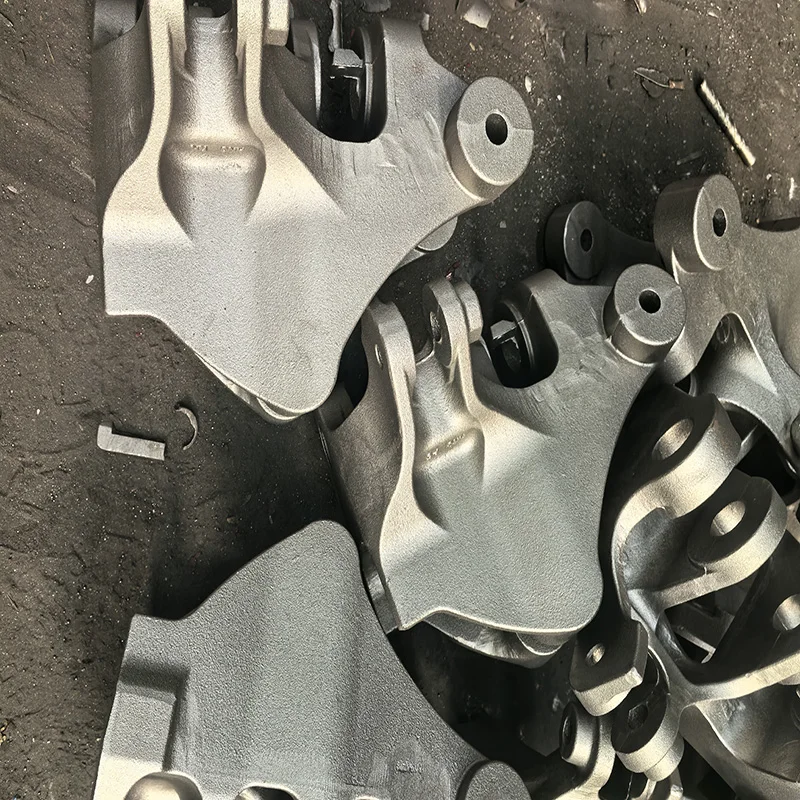
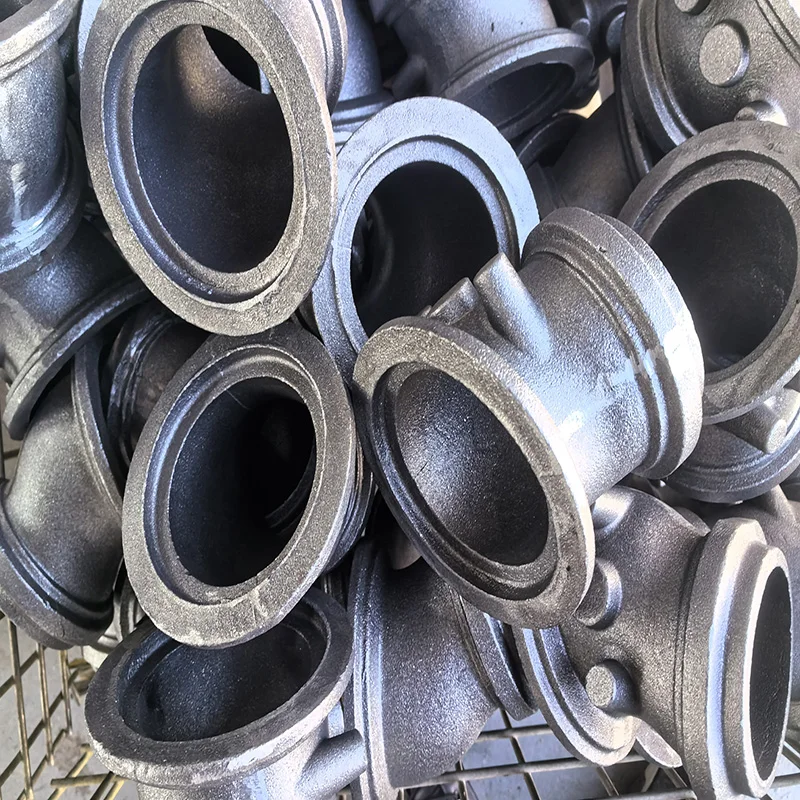
Meta Description: A technical guide to heavy mining and crushing wear castings. Compare Hadfield high-manganese steel (Mn13, Mn18, Mn22), high-chromium white iron (ASTM A532), and bi-metallic composites for jaw plates, cone crusher mantles, blow bars, and shredder hammers.
In mineral processing, aggregate quarrying, and metal recycling facilities, wear parts operate in some of the most unforgiving mechanical environments on earth. A single primary gyratory or cone crusher processes thousands of tons of abrasive granite, basalt, or iron ore daily under crushing forces reaching hundreds of kilonewtons. Under these conditions, standard structural steels deform or wear away within hours.
Selecting, casting, and heat-treating wear components — including jaw plates, cone crusher mantles, concaves, impact crusher blow bars, and shredder hammerheads — requires an exact match between the metallurgical wear resistance mechanism and the dominant gouging or impact forces.
This engineering guide provides an in-depth analysis of wear mechanisms, alloy selection criteria, water-toughening heat treatment for Hadfield steels, bi-metallic composite technologies, casting methodologies, and quality control systems for heavy wear components.
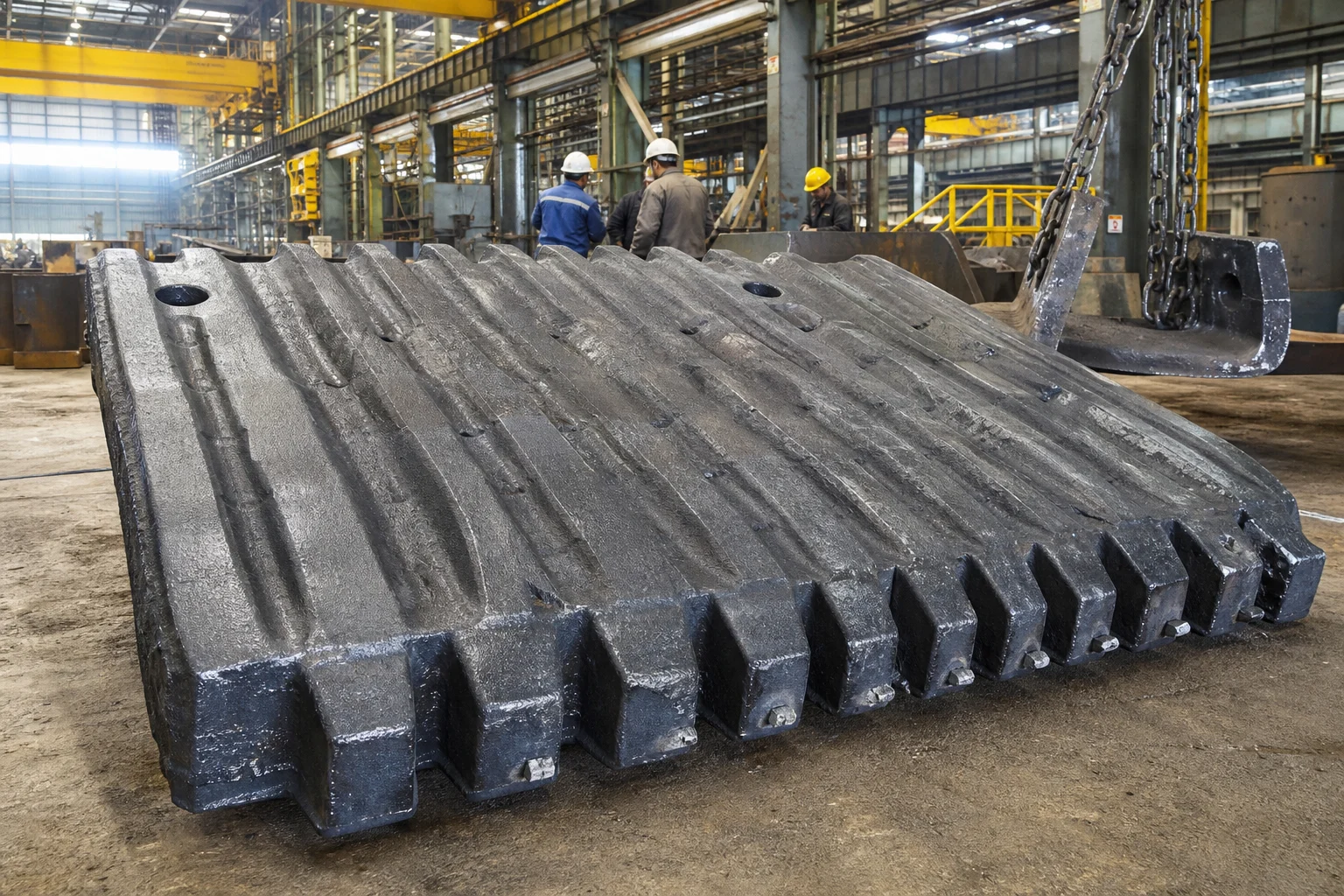
Optimizing wear life begins by identifying the primary mode of surface degradation:
                    ┌─────────────────────────┐
                    │ Dominant Wear Mode      │
                    └────────────┬────────────┘
                                 │
         ┌───────────────────────┴───────────────────────┐
         ▼                                               ▼
┌─────────────────────────┐                     ┌─────────────────────────┐
│ Severe Impact & Gouging │                     │ High-Stress Grinding    │
│ (Heavy Jaw & Gyratory)  │                     │ & Low-Impact Abrasion   │
└────────────┬────────────┘                     └────────────┬────────────┘
             ▼                                               ▼
┌─────────────────────────┐                     ┌─────────────────────────┐
│ Work-Hardening Steels   │                     │ Ultra-Hard Microstructures│
│ (Austenitic Manganese   │                     │ (High-Cr White Iron /   │
│  Mn13, Mn18, Mn22)      │                     │  Carbide Composites)    │
└─────────────────────────┘ └─────────────────────────┘| Wear Mode | Operating Characteristic | Component Examples | Primary Material Solution |
|---|---|---|---|
| Heavy Impact Gouging | High impact kinetic energy + large feed chunks (); requires high bulk toughness to prevent catastrophic fracture | Primary Jaw Plates, Gyratory Mantles, Large Drop Balls | Austenitic Manganese Steels (ASTM A128 / Mn18Cr2) |
| High-Stress Grinding Abrasion | Crushing smaller rock fragments under high pressure; abrasive particles scratch and micro-cut metal surfaces without severe impact | Secondary/Tertiary Cone Liners, Roll Crusher Shells | High-Chromium White Cast Iron (ASTM A532 Class II/III) |
| High-Velocity Impact Wear | Rapid repetitive impact by rotor bars against feed material; high kinetic shear and localized gouging | Horizontal Shaft Impactor (HSI) Blow Bars, Hammerheads | Martensitic Alloy Steels or Ceramic-Insert Composites |
Discovered by Sir Robert Hadfield in 1882, austenitic manganese steel remains the premier choice for severe gouging impact. Its defining characteristic is instantaneous deformation-induced work-hardening:
| Manganese Grade | Chemical Composition (wt%) | Standard Equivalent | Optimal Crushing Application |
|---|---|---|---|
| Mn13 (Standard Hadfield) | ASTM A128 Grade A/B | Soft-to-medium rock, standard jaw crushers | |
| Mn18 (High-Manganese) | ASTM A128 Grade E-1 | Hard basalt, granite, large cone crusher mantles | |
| Mn18Cr2 (Chromium-Modified) | Proprietary Heavy Spec | Abrasive iron ore, high-tonnage primary gyratory liners | |
| Mn22Cr2 (Super-Manganese) | Custom High-Toughness | Ultra-deep hard rock mining with extreme impact shocks |
Metallurgical Note on Chromium Addition: Adding 1.8–2.5% Cr stabilizes chromium-rich carbides, increasing the initial yield strength and accelerating the work-hardening rate under moderate impact.
When crushing conditions involve pure sliding abrasion with minimal shock impact (e.g., sand manufacturing, vertical shaft impactors, slurry pumping), High-Cr white iron outperforms manganese steel by 300% to 500%:
| ASTM A532 Grade | Chemical Composition | Hardness Range | Key Application |
|---|---|---|---|
| Class II Type B (15% Cr - Mo) | 58 – 62 HRC | Medium aggregate impact crusher liners | |
| Class III Type A (25% Cr) | 60 – 65 HRC | Extremely abrasive silica sand, tertiary crushers |
For applications requiring both the extreme abrasion resistance of white iron and the fracture toughness of ductile steel (such as high-speed HSI blow bars), modern foundries utilize bi-metallic composite casting:
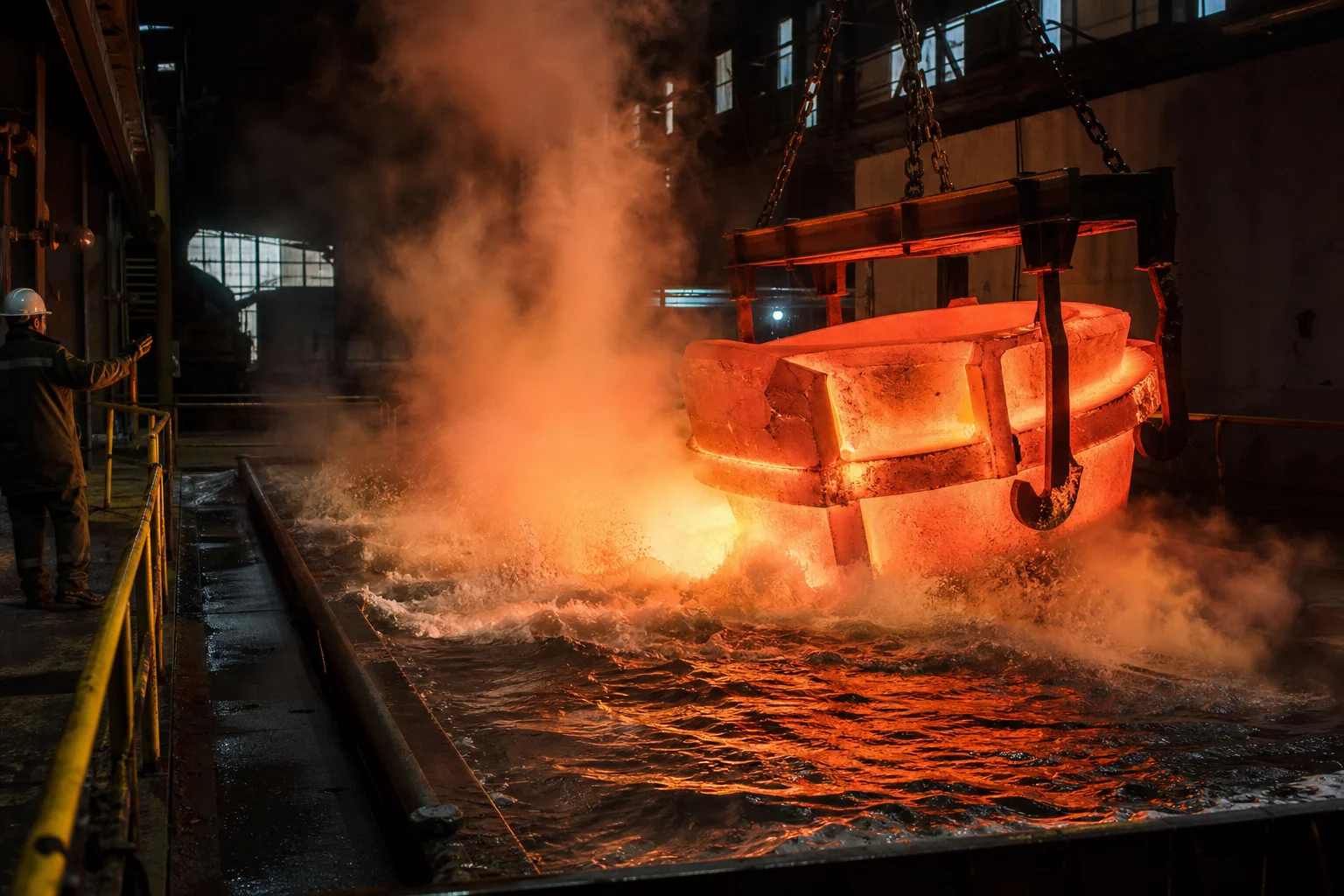
In the as-cast condition, manganese steel is brittle and unusable due to brittle grain-boundary carbide precipitation ( formed during slow sand mold cooling.
As-Cast State: Brittle Grain Boundary Carbides
                     │
                     ▼
┌────────────────────────────────────────────────────────┐
│ Solution Austenitizing at 1,050 °C – 1,100 °C          │
│ (Carbides fully dissolve into austenitic solid solution)│
└────────────────────┬───────────────────────────────────┘
                     │
                     ▼  Rapid Immersion Quench (<60 seconds transfer)
┌────────────────────────────────────────────────────────┐
│ Violent Water Quenching (<30 °C High Agitation Tank)  │
│ (Freezes homogeneous single-phase austenite structure) │
└────────────────────┬───────────────────────────────────┘
                     │
                     ▼
Final Product: Single-Phase Metastable Austenite (High Toughness + Work-Hardenable)Heavy crusher castings range from 500 kg jaw dies up to 25-ton primary gyratory mantles.
| Foundry Stage | Engineering Implementation | Defect Prevention |
|---|---|---|
| Pattern Design | 2.5% to 2.8% shrinkage allowance; deep draft angles on tooth profiles | Prevents mold sand tears during pattern draw |
| Molding Process | Alkaline Phenolic No-Bake or Sodium Silicate Sand with chromite sand facing | Chromite sand prevents metal penetration and sand burn-on |
| Gating System | Bottom-tangential stepped gating with ceramic foam filters | Minimizes oxidation of reactive molten manganese |
| Riser Sizing | Exothermic and insulating sleeves with directional chill blocks | Eliminates centerline shrinkage porosity in thick teeth |
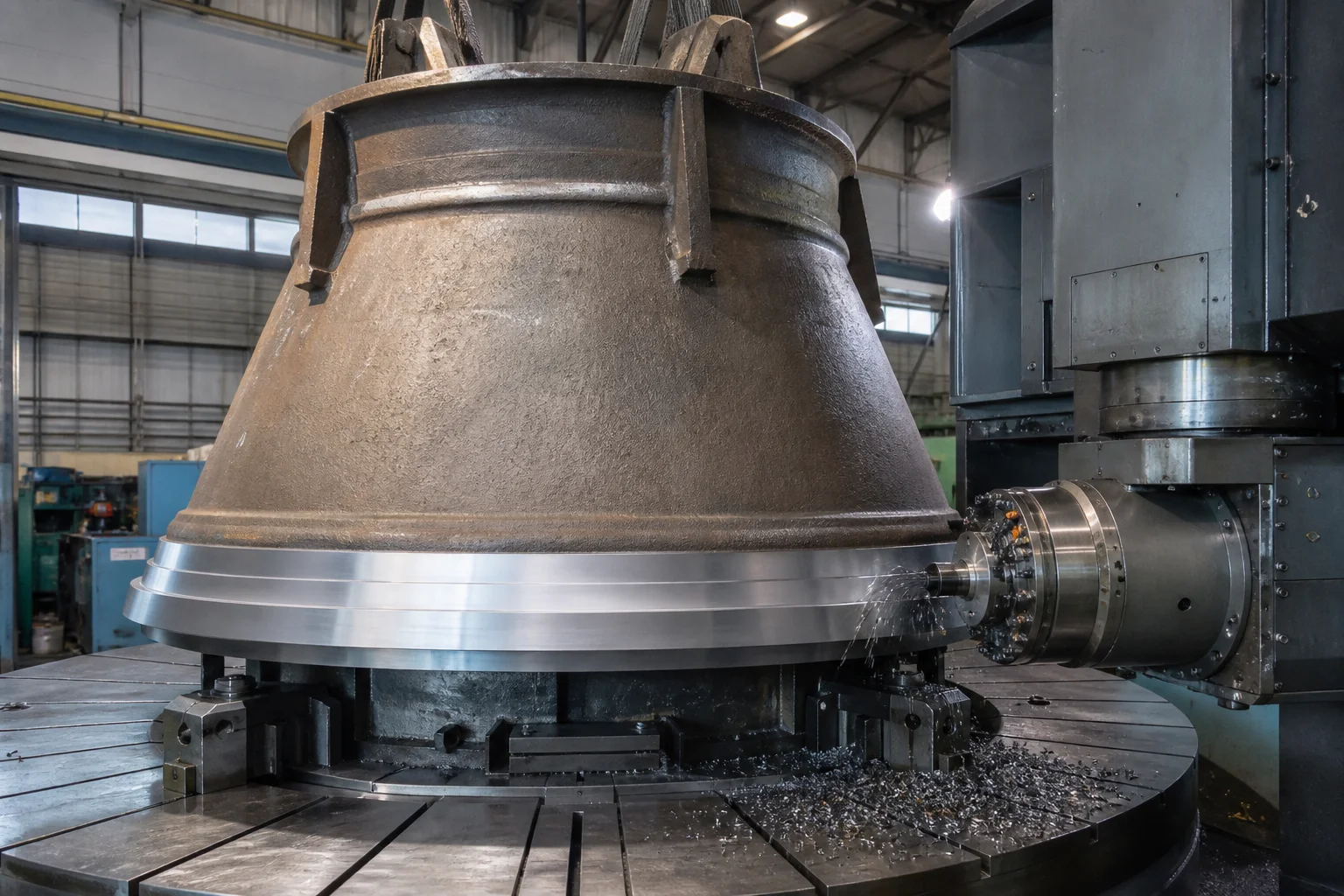
While the crushing wear faces remain in the work-hardenable as-cast condition, the mounting surfaces, keyways, and bolt holes must be precisely machined to fit the crusher frame.
| Test Category | Standard / Specification | Acceptance Criteria |
|---|---|---|
| Chemical Analysis | Optical Emission Spectrometry (OES) | C, Mn, Cr, Si, and strict tramp control () |
| Microstructure Verification | Metallographic Examination per ASTM E407 | single-phase austenite; zero continuous grain boundary carbide networks |
| Magnetic Permeability | Ferrite Meter / Magnet Test | Completely non-magnetic (confirming fully austenitic structure) |
| Impact Toughness | Charpy V-Notch Impact Test (ASTM E23) | at for Mn18/Mn22 grades |
| Ultrasonic Testing | Ultrasonic Flaw Detection (UT per ASTM A609) | Level 2 volumetric acceptance in high-stress hub and trunnion sections |
| Dimensional 3D Scan | 3D Laser Tracker / Arm Scanner | Full tooth profile and mounting face alignment within OEM tolerances |
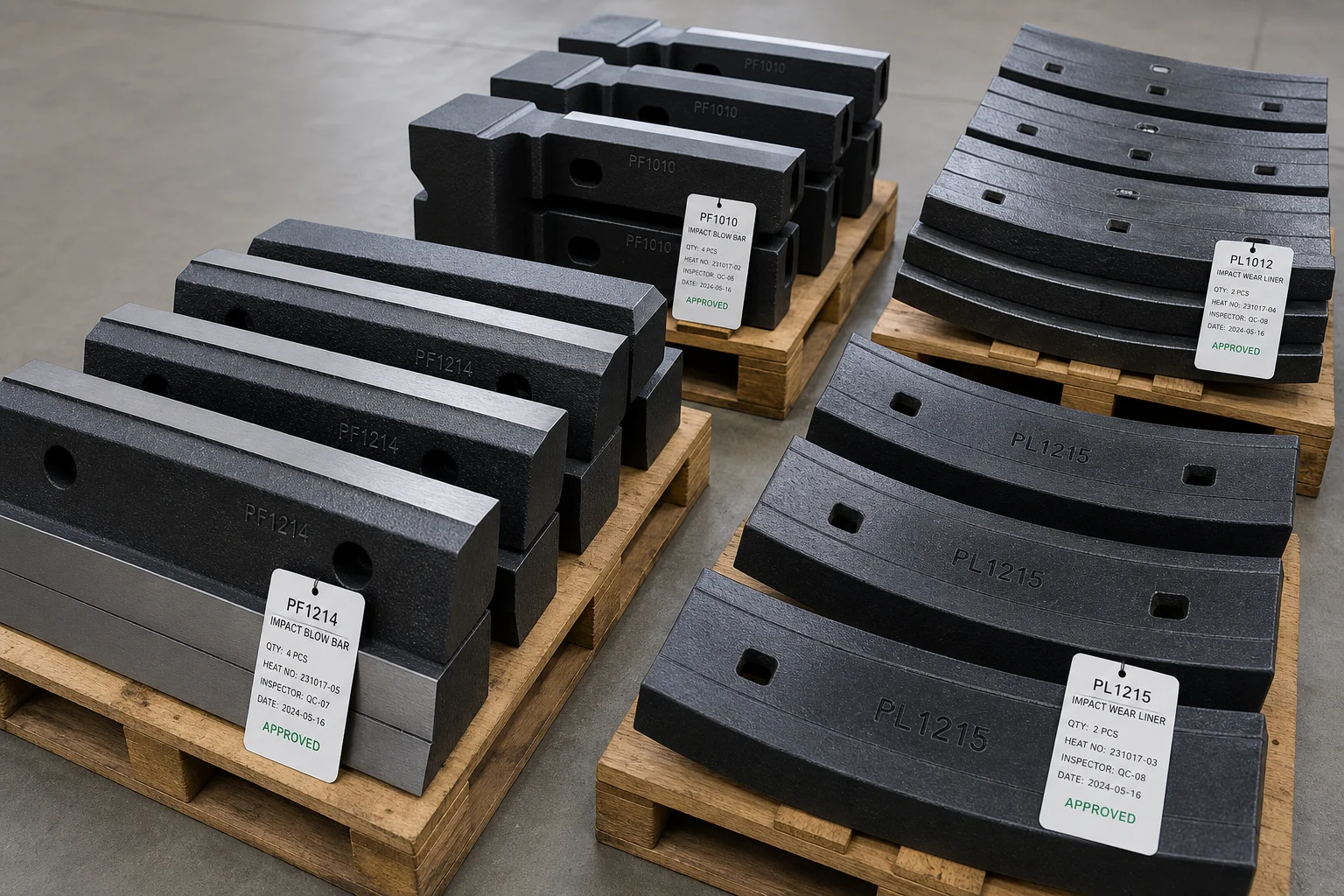
Manufacturing heavy crusher liners and impact castings demands large-tonnage melting capacity, controlled water-toughening infrastructure, and precision heavy machining.
Dandong City Pengxin Machinery Co., Ltd. delivers high-performance wear castings engineered for the world's most demanding mining, quarrying, and recycling operations:
- Alloy Versatility: High-manganese steels (Mn13, Mn18, Mn18Cr2, Mn22Cr2), high-chromium white irons (ASTM A532 Class II/III), and bi-metallic composite wear solutions.
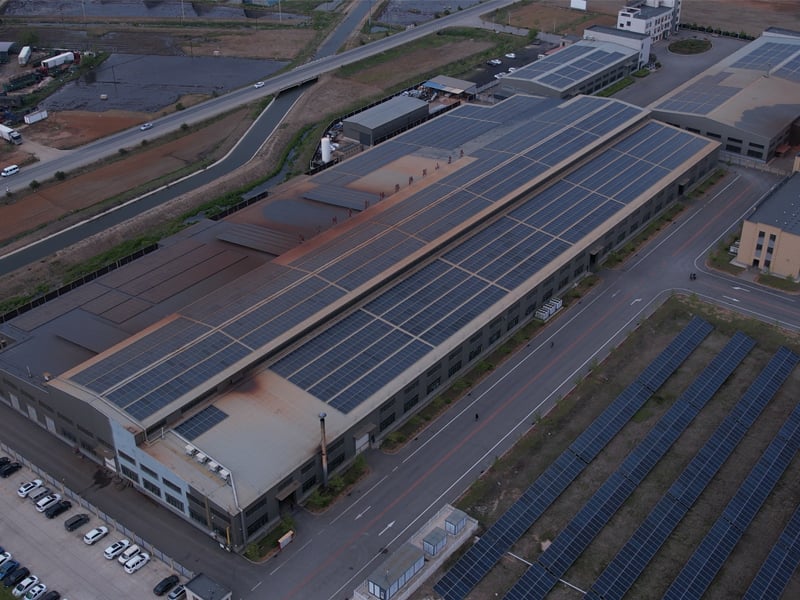
- Heavy Tonnage Capacity: Capable of single-piece sand castings from 200 kg up to 25 tons, supported by an 80,000 m² facility with overhead cranes and deep molding pits.
- Dedicated Water-Toughening Facility: Automated furnace-to-tank transfer systems ensuring rapid immersion quenching within 45 seconds for optimal austenitic grain refinement.
- Heavy CNC Machining: Large vertical turning lathes and horizontal boring mills delivering turnkey ready-to-install crusher liners, mantles, and jaw plates.
- Certified Quality: Full EN 10204 3.1 certification, metallographic reports, impact test data, and CMM dimensional documentation with every batch.
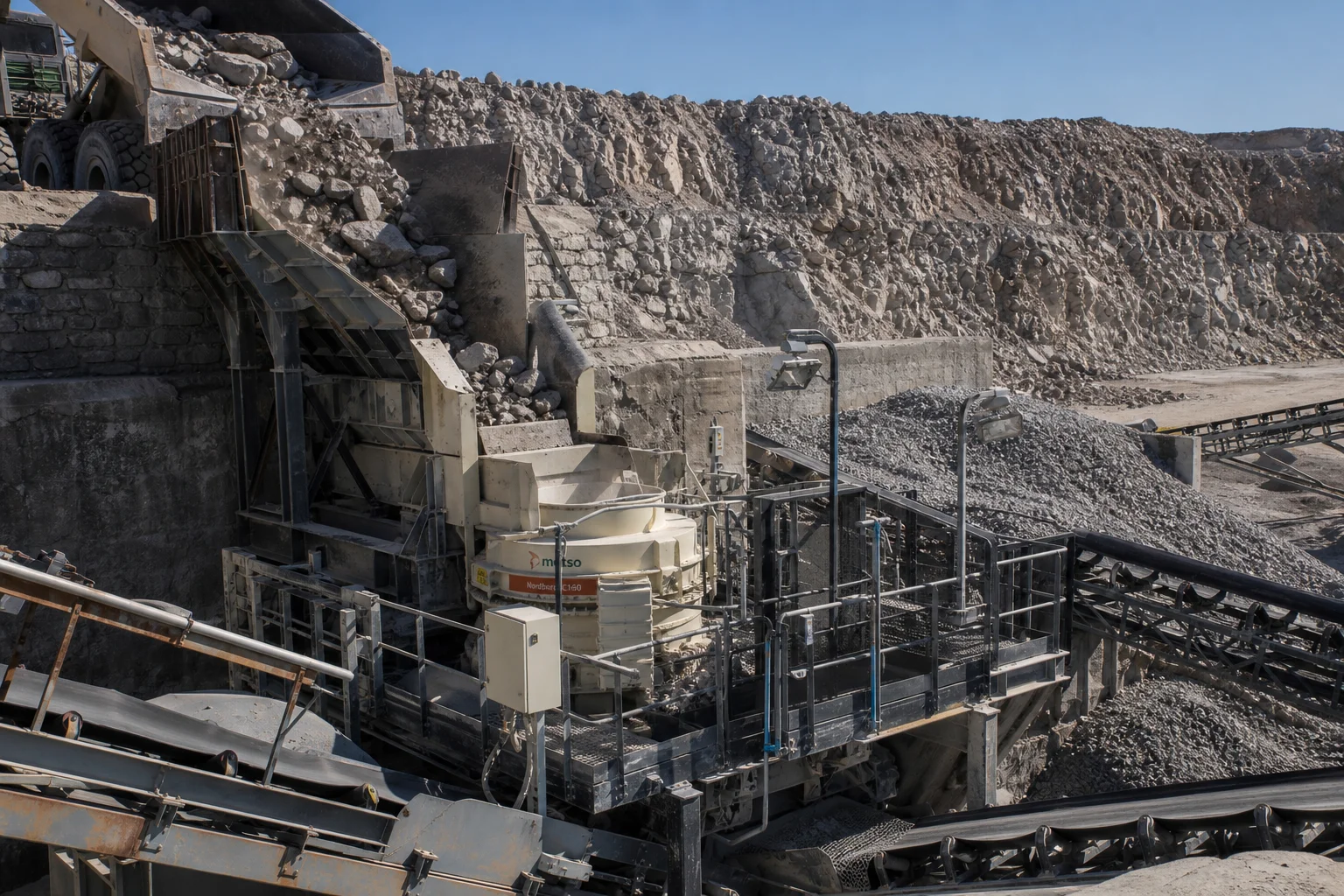
Mining and crushing wear castings are critical wear consumables that directly dictate plant productivity, operating cost per ton, and unplanned crusher downtime. By combining accurate wear-mode diagnosis, tailored alloy selection (from Hadfield manganese to High-Cr white iron), disciplined water-toughening heat treatment, and precision CNC finishing, foundries can dramatically extend component wear life.
Partnering with an experienced, integrated heavy casting foundry ensures every liner delivered performs reliably in the pit.
Contact Dandong City Pengxin Machinery Co., Ltd. to submit your crusher wear part drawings or request custom alloy recommendations.
Dandong City Pengxin Machinery Co., Ltd. — Heavy Castings and Precision Machining, Since 1958.
 Hot News
2026-10-16
2026-10-09
2026-10-02
2026-09-25
2026-09-18
2026-09-11
Dandong City Pengxin Machinery was founded in 1958, is a set of casting, machining and assembly as one of the private enterprises.
Wangjiapu Group, Xinan Village, Qianyang Town, Donggang City, Dandong City, Liaoning Province, China
Copyright © Dandong City Pengxin Machinery Co.,Ltd. All Rights Reserved Privacy Policy Blog
 EN
EN