Meta Description: A complete engineering guide to Austempered Ductile Iron (ADI) castings. Explore ASTM A897 / EN 1564 grades, the unique ausferrite microstructure, two-stage molten salt bath austempering, replacement of forged steel gears, and pre/post-machining strategies.
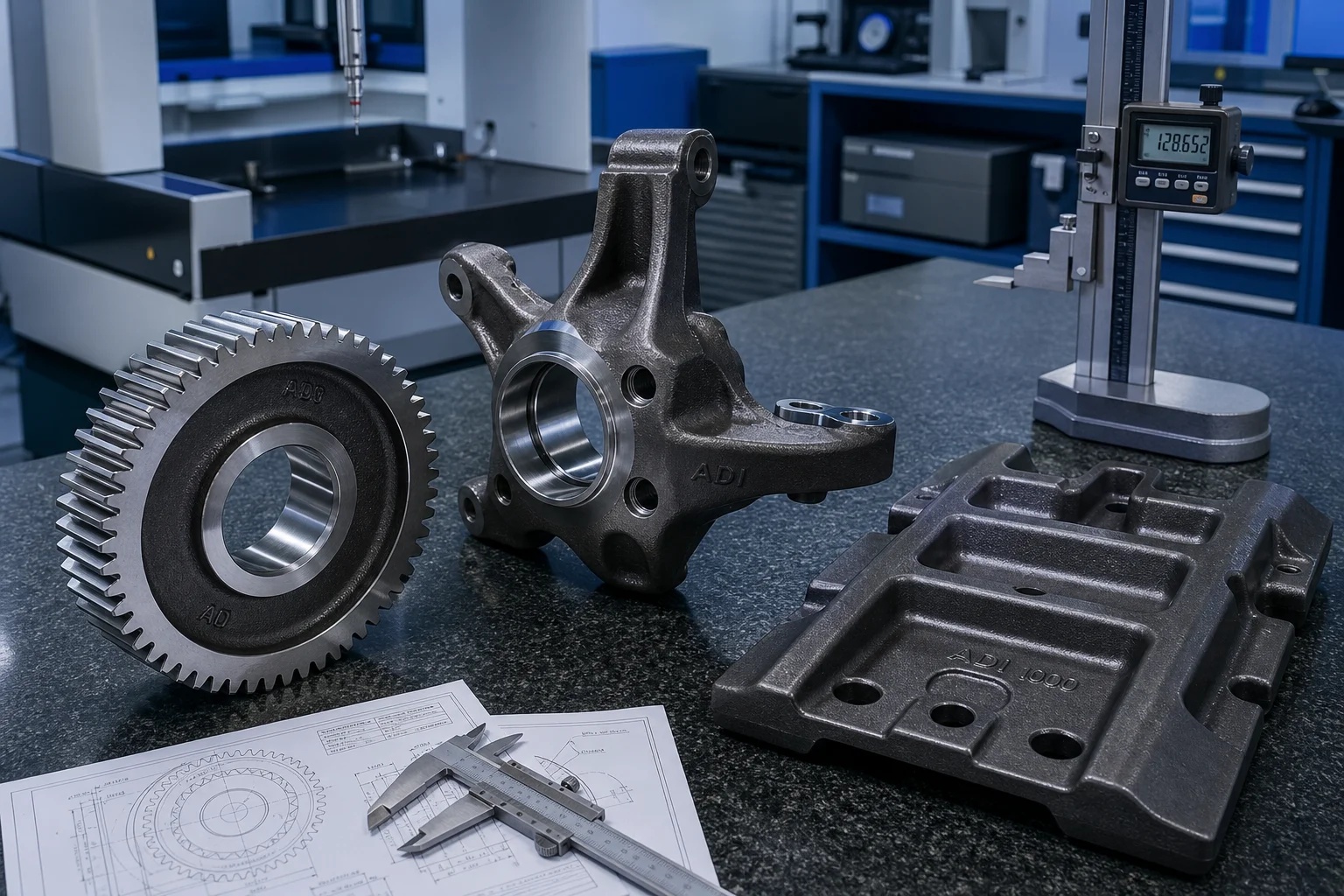
In high-performance mechanical design, the traditional boundary between high-strength forged alloy steels and cast ductile irons has been completely revolutionized by Austempered Ductile Iron (ADI). Governed internationally by ASTM A897/A897M and EN 1564, ADI delivers an extraordinary combination of tensile strengths exceeding , exceptional bending and contact fatigue endurance, superior fracture toughness, and self-lubricating wear resistance — all with a lower density than forged steel and the near-net shape design freedom of cast iron.
From heavy planetary ring gears and automotive suspension control arms to high-impact excavator track shoes, railway bogie friction wedges, and heavy agricultural tillage tools, ADI frequently replaces expensive forged and heat-treated alloy steels at a reduction in total manufacturing cost.
However, achieving genuine ADI properties requires extreme metallurgical and thermal discipline: producing a high-nodularity ductile iron base iron with tightly controlled molybdenum/copper/nickel hardenability, followed by precision two-stage isothermal molten salt bath austempering.
This technical guide provides a deep-dive analysis of ADI metallurgy, the ausferrite phase transformation mechanism, salt bath processing parameters, mechanical property matrices, CNC machining strategies, and quality assurance protocols.
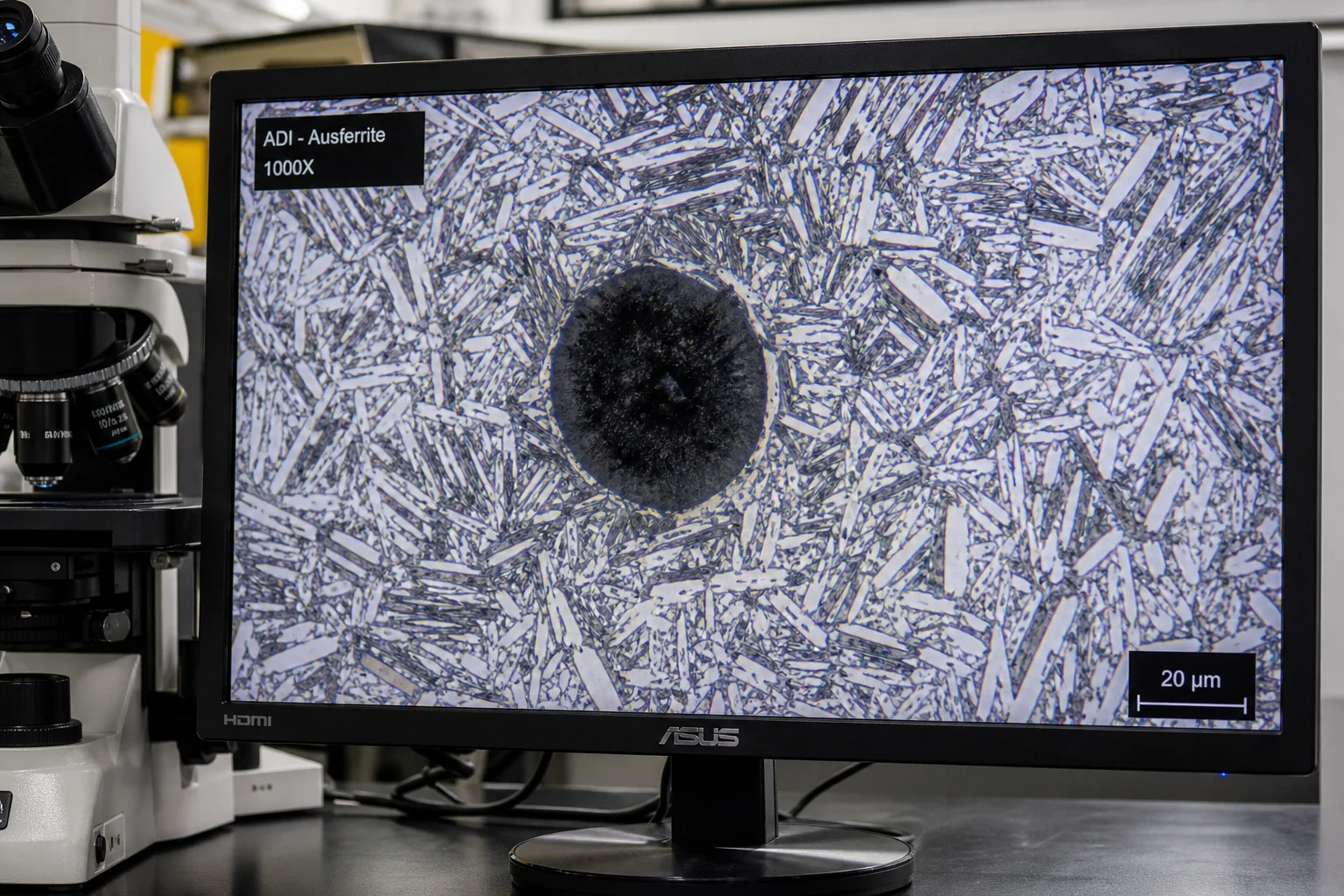
Unlike conventional quenched-and-tempered ductile iron (which produces brittle martensite requiring tempering) or austempered steel (which produces bainite containing embrittling cementite carbides), ADI produces a unique dual-phase matrix termed Ausferrite:
                         ┌──────────────────────────────────────────────┐
                         │ Molten Base Ductile Iron (Nodularity > 85%)  │
                         └──────────────────────┬───────────────────────┘
                                                │
                                                ▼
                         ┌──────────────────────────────────────────────┐
                         │ Stage 1: Austenitizing (850 °C – 920 °C)     │
                         │ (Saturates parent austenite with ~0.8% - 1.0% C)
                         └──────────────────────┬───────────────────────┘
                                                │
                                                ▼  Rapid Salt Quench (Avoid Pearlite Nose)
                         ┌──────────────────────────────────────────────┐
                         │ Stage 2: Isothermal Austempering (240°C - 380°C)
                         └──────────────────────┬───────────────────────┘
                                                │
            ┌───────────────────────────────────┴───────────────────────────────────┐
            ▼                                                                       ▼
┌───────────────────────────────────────┐               ┌───────────────────────────────────────┐
│ Primary Reaction (Target):            │               │ Secondary Reaction (To Avoid):        │
│ Austenite ($\gamma$) ──► Acicular     │               │ High-Carbon Austenite ($\gamma_{hc}$)  │
│ Ferrite ($\alpha$) + High-Carbon      │               │ ──► Ferrite + Embrittling Carbides    │
│ Stabilized Austenite ($\gamma_{hc}$)  │               │ ($\epsilon$-carbides / Cementite)     │
│ (Ausferrite: Tough & Work-Hardenable) │               │ (Degrades Toughness & Ductility)      │
└───────────────────────────────────────┘               └───────────────────────────────────────┘
ASTM A897 classifies ADI into six standard engineering grades based on the isothermal austempering transformation temperature:
| ASTM A897 Grade | EN 1564 Equivalent | Austempering Temp Range | Tensile Strength () | Yield Strength () | Elongation () | Hardness Range | Primary Engineering Application |
|---|---|---|---|---|---|---|---|
| Grade 750/500/11 | EN-GJS-800-10 | 260 – 320 HB | Automotive suspension arms, steering knuckles | ||||
| Grade 900/650/09 | EN-GJS-900-8 | 280 – 340 HB | High-load railway bogie parts, trailer hitch hooks | ||||
| Grade 1050/750/07 | EN-GJS-1050-6 | 320 – 380 HB | Agricultural plow points, heavy winch drum hubs | ||||
| Grade 1200/900/04 | EN-GJS-1200-3 | 340 – 440 HB | Transmission gears, planetary ring gears | ||||
| Grade 1400/1100/02 | EN-GJS-1400-1 | 380 – 480 HB | High-wear excavator track pads, mining sprockets | ||||
| Grade 1600/1300/01 | Custom Super-Wear | 440 – 520 HB | Severe abrasive slurry shredder teeth, cutter bars |
Engineering Rule of Thumb: Higher austempering temperatures () yield lower strength with high ductility and impact toughness; lower temperatures () maximize yield strength, contact fatigue resistance, and abrasion hardness.
Not all ductile iron can be austempered into high-grade ADI. The base iron must meet stringent metallurgical purity to avoid pearlite or bainite formation during the rapid transfer into the molten salt bath:
| Element | Target Range (wt%) | Critical Metallurgical Role in ADI |
|---|---|---|
| Carbon (C) | Provides carbon saturation in austenite and dense graphite nodule count | |
| Silicon (Si) | Critical: Suppresses cementite carbide precipitation during austempering | |
| Manganese (Mn) | (Strict Limit) | High Mn severely segregates to cell boundaries, forming brittle intercellular carbides |
| Copper (Cu) | Increases hardenability without grain-boundary segregation | |
| Nickel (Ni) | Strongly boosts hardenability in heavy section parts ( wall) | |
| Molybdenum (Mo) | Potent hardenability booster for massive sections; must balance against segregation | |
| Magnesium (Mg) | Guarantees spheroidal graphite nodularity (Shape VI) | |
| Nodule Count | Minimizes alloy segregation distance; accelerates carbon diffusion |
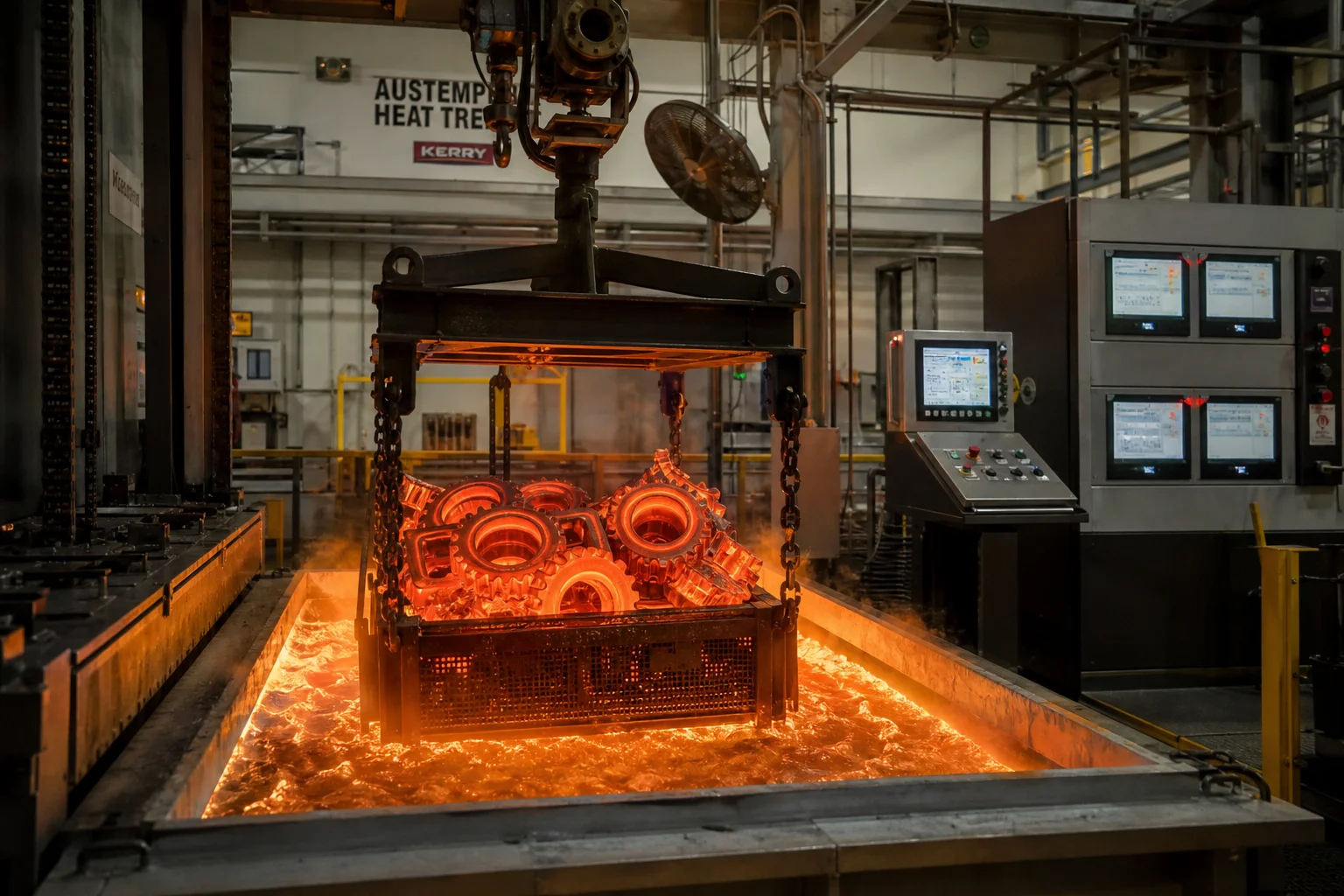
┌────────────────────────────────────────────────────────────────────────┐
│ 1. Austenitizing in Controlled-Atmosphere Furnace                      │
│    • Heat to 870 °C – 920 °C; hold for 60–120 minutes                  │
│    • Dissolves carbon from graphite nodules to achieve uniform matrix  │
├────────────────────────────────────────────────────────────────────────┤
│ 2. Rapid Transfer to Molten Nitrate/Nitrite Salt Bath (<45 seconds)    │
│    • Cooling rate must exceed 100 °C/min to bypass pearlite nose       │
├────────────────────────────────────────────────────────────────────────┤
│ 3. Isothermal Hold in Agitated Molten Salt (240 °C – 380 °C)           │
│    • Hold for 60 to 180 minutes within the "Processing Window"         │
│    • Completes primary Stage I ausferrite transformation               │
├────────────────────────────────────────────────────────────────────────┤
│ 4. Warm Water Rinse & Controlled Air Cooling                           │
│    • Washes away soluble salt residues; produces zero distortion       │
└────────────────────────────────────────────────────────────────────────┘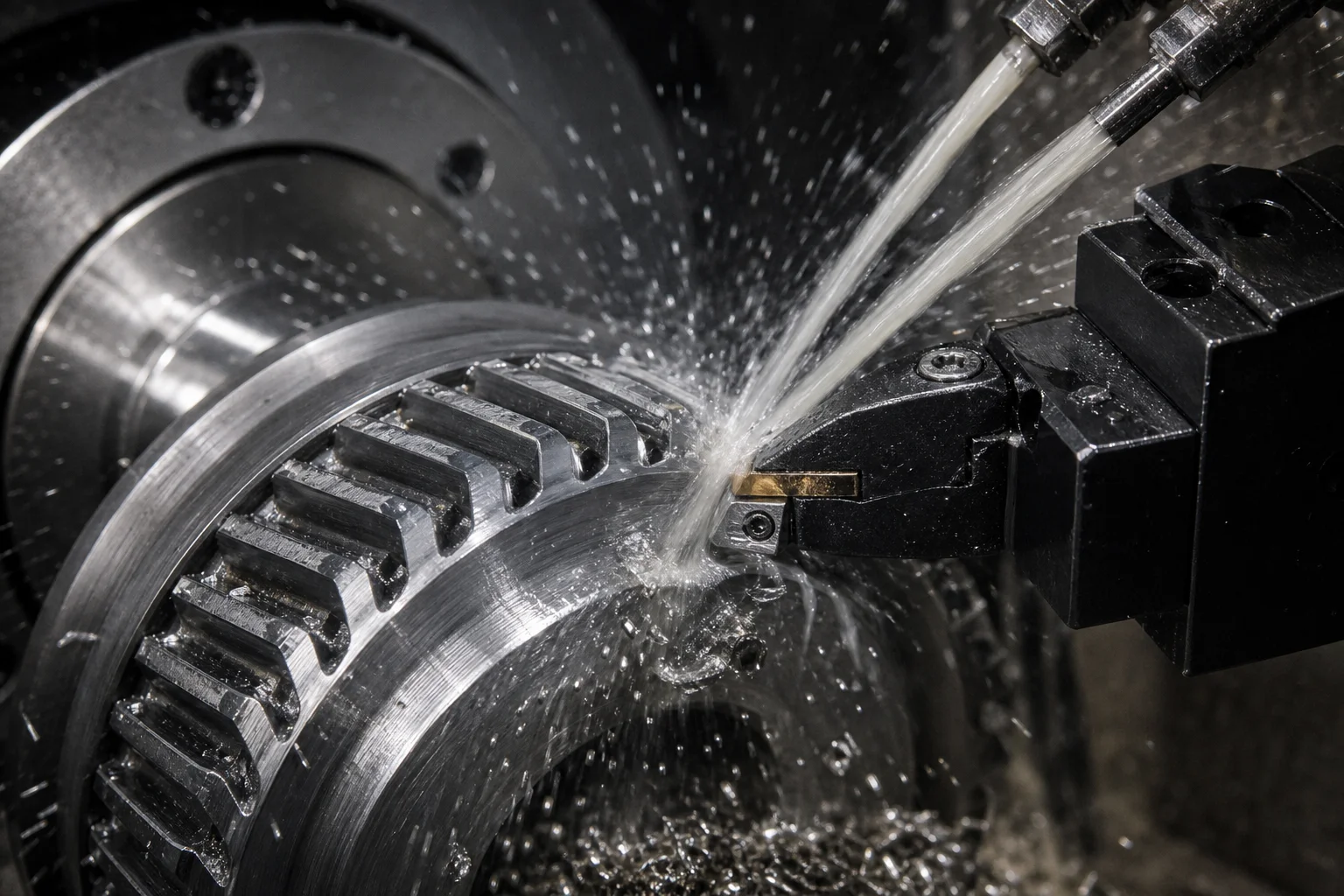
Because lower-temperature ADI grades (Grade 1200 to 1600) work-harden rapidly under cutting tools, manufacturing efficiency depends on an optimized Pre-Machining + Finish-Grinding Workflow:
        ┌───────────────────────────────────────────────────────┐
        │ Cast As-Cast Base Ductile Iron (~220 HB)              │
        └──────────────────────────┬────────────────────────────┘
                                   │
                                   ▼
        ┌───────────────────────────────────────────────────────┐
        │ 1. Rough CNC Pre-Machining (In Soft As-Cast State)    │
        │ • Turn, mill, and drill bulk material at high speeds  │
        │ • Leave 0.20 – 0.40 mm finish stock on critical faces │
        │ • Predictable volumetric growth (+0.2% to +0.4%)      │
        └──────────────────────────┬────────────────────────────┘
                                   │
                                   ▼
        ┌───────────────────────────────────────────────────────┐
        │ 2. Molten Salt Bath Austempering (Locks in Hardness)  │
        └──────────────────────────┬────────────────────────────┘
                                   │
                                   ▼
        ┌───────────────────────────────────────────────────────┐
        │ 3. Precision CNC Hard Turning / Grinding              │
        │ • Use CBN (Cubic Boron Nitride) or Ceramic Tooling    │
        │ • Finish bearing bores, gear tooth flanks, and seals  │
└───────────────────────────────────────────────────────┘| Quality Inspection | Test Method / Standard | Acceptance Criteria |
|---|---|---|
| Tensile & Elongation | ASTM E8 / ISO 6892-1 on austempered test coupons | Fully conforms to ASTM A897 grade specifications |
| Ausferrite Microstructure | Metallographic Examination at (ASTM E3) | Homogeneous ausferrite matrix; zero un-transformed martensite or intercellular carbides |
| Nodularity & Count | Image Analysis per ISO 945-1 | nodularity; nodule count |
| Retained Austenite Volume | X-Ray Diffraction (XRD) Phase Analysis | high-carbon stabilized austenite () |
| Magnetic Particle (MT) | Fluorescent MT per ASTM E1444 | 100% surface inspection; zero crack indications on high-stress fillets |
| Charpy V-Notch Toughness | ASTM E23 at and | Grade 750: ; Grade 900: ; Grade 1200: |
Delivering high-performance Austempered Ductile Iron components requires tightly synchronized control across melting, inoculation, precision pre-machining, and molten salt bath austempering.
Dandong City Pengxin Machinery Co., Ltd. delivers fully certified, precision-machined ADI components for global automotive, mining, and heavy industrial clients:
- Comprehensive ADI Grade Capability: Certified casting and heat treatment of all ASTM A897 grades (Grade 750/500/11 through Grade 1600/1300/01).
- Purity & Inoculation Discipline: Medium-frequency induction melting with automated stream inoculation guaranteeing and low-manganese tramp control.
- Dedicated Pre- and Post-Austempering CNC Infrastructure: High-precision CNC machining centers equipped with CBN and ceramic tooling for hard turning and gear finish grinding.
- Rigorous Laboratory Verification: In-house XRD retained austenite measurement, metallographic image analysis, tensile and Charpy impact testing, and CMM dimensional scanning.
- Full Quality Documentation: Certified under ISO 9001, providing EN 10204 3.1 material test certificates, XRD phase reports, and NDT inspection records.
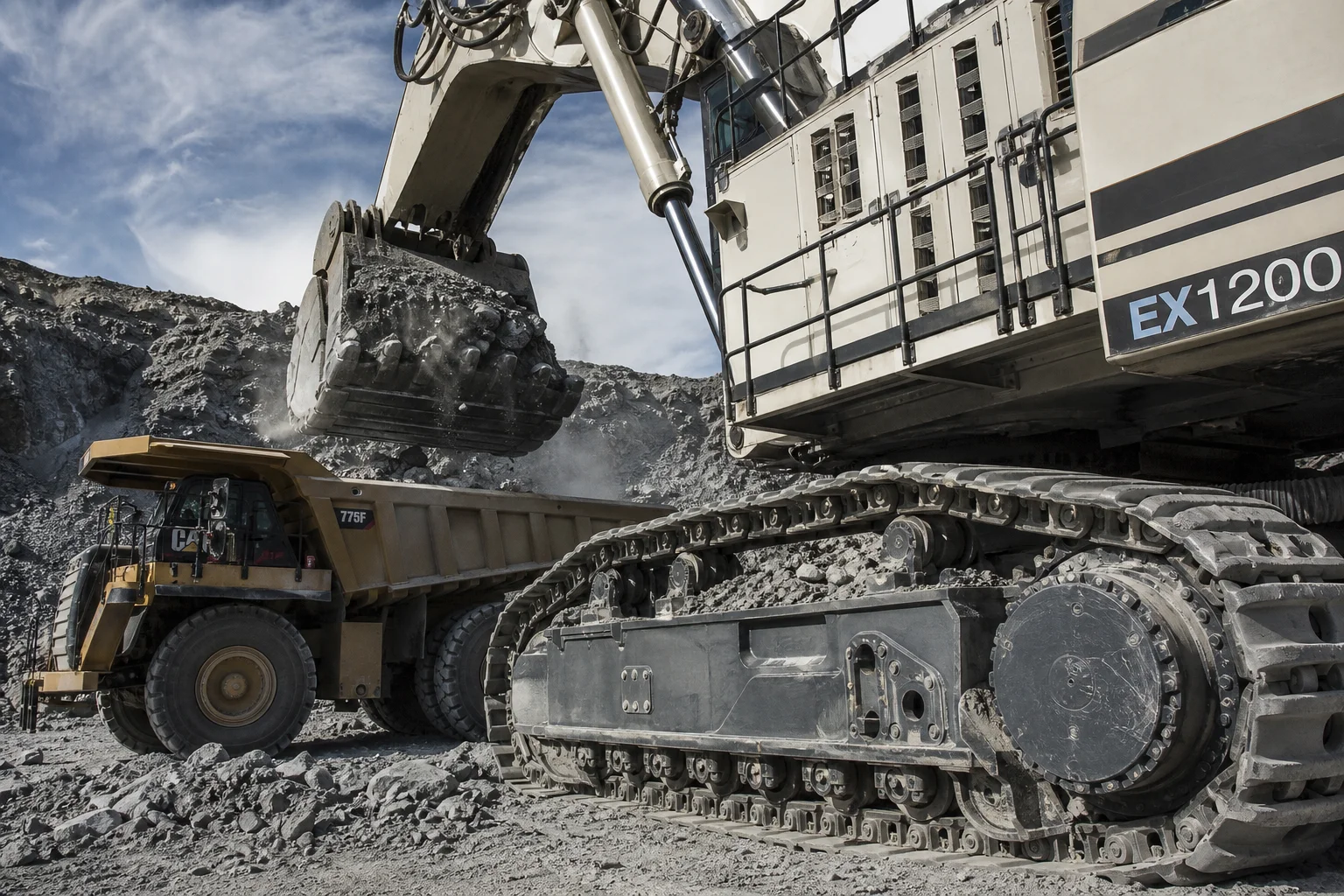
Austempered Ductile Iron (ADI) represents the ultimate synthesis of high strength, superior fatigue endurance, wear resistance, and near-net shape casting economy. By replacing heavy forged alloy steel components with lighter, vibration-dampening ADI castings, equipment manufacturers achieve major cost reductions without sacrificing performance.
Partnering with an experienced, integrated foundry and precision machining specialist ensures that your ADI components deliver uncompromising structural reliability under the world's heaviest dynamic loads.
Contact Dandong City Pengxin Machinery Co., Ltd. to submit your component drawings or request an engineering feasibility analysis for forged-steel-to-ADI conversion.
Dandong City Pengxin Machinery Co., Ltd. — Heavy Castings and Precision Machining, Since 1958.
 Hot News
2026-10-16
2026-10-09
2026-10-02
2026-09-25
2026-09-18
2026-09-11

Dandong City Pengxin Machinery was founded in 1958, is a set of casting, machining and assembly as one of the private enterprises.
Wangjiapu Group, Xinan Village, Qianyang Town, Donggang City, Dandong City, Liaoning Province, China
Copyright © Dandong City Pengxin Machinery Co.,Ltd. All Rights Reserved Privacy Policy Blog
 EN
EN