 EN
EN
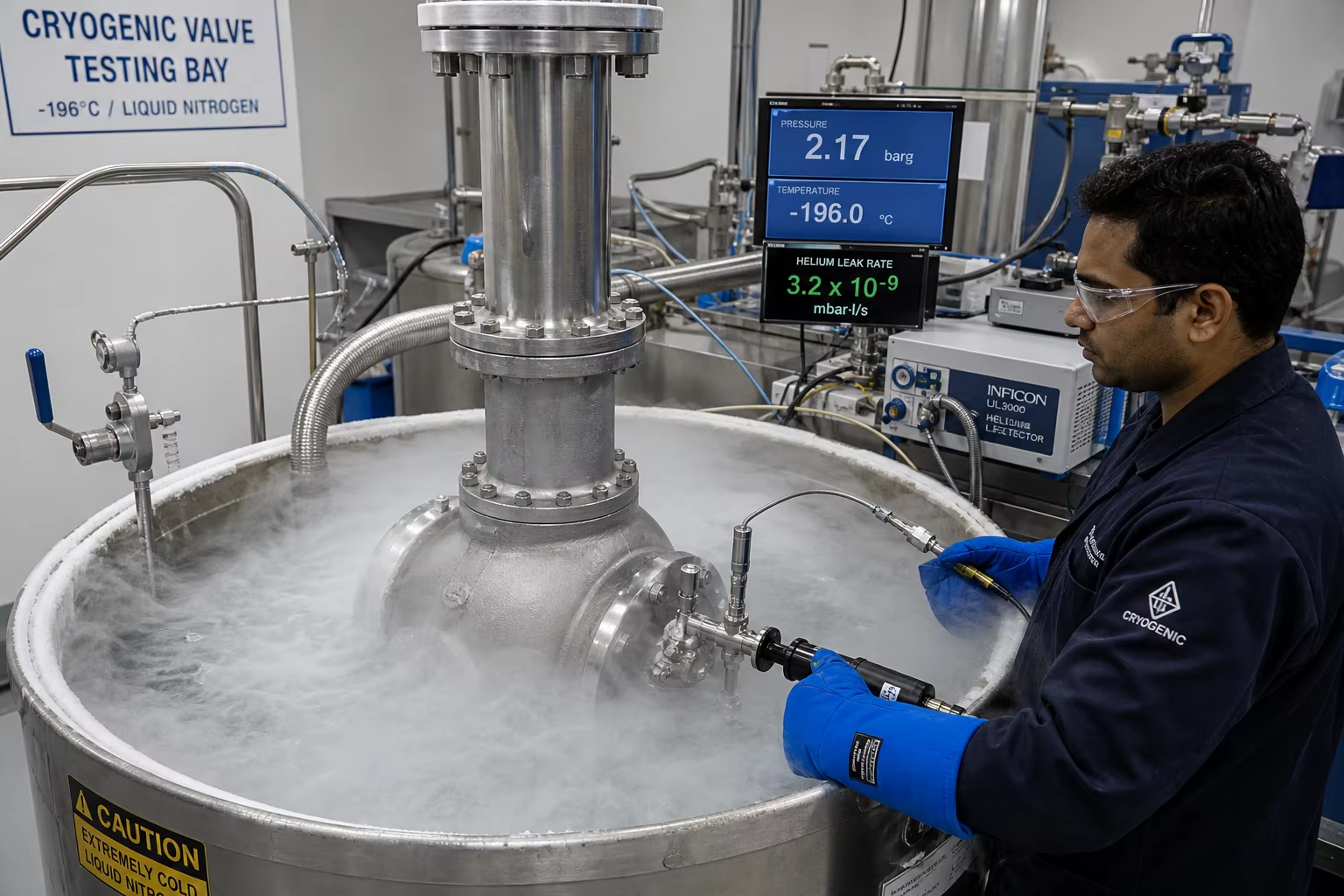
Meta Description: A complete engineering guide to cryogenic valve body and LNG pipeline castings. Explore ASTM A351 CF8M/CF3M stainless steels with delta-ferrite restricted to 2-5%, low-temp 3.5% nickel steels (ASTM A352 LC3), extended bonnet DFM design, liquid nitrogen -196°C Charpy impact testing, and BS 6364 helium leak verification.
In liquefied natural gas (LNG) liquefaction terminals, cryogenic sea transport carriers, LNG regasification facilities, and liquid nitrogen/oxygen/hydrogen storage infrastructure, flow control valves operate at extreme sub-zero temperatures:
- Liquefied Natural Gas (LNG): ()
- Liquid Ethylene: ()
- Liquid Oxygen / Argon:
- Liquid Nitrogen (LN2): ()
Under these severe cryogenic regimes, conventional carbon and alloy steels suffer from catastrophic ductile-to-brittle transition (DBTT), losing all impact toughness and shattering like glass under minor pressure shocks. Furthermore, severe differential thermal contraction causes seat distortion, valve stem freezing, and dangerous fugitive volatile gas emissions.
Surviving decades of cryogenic service demands specialized foundry metallurgy: casting Austenitic Stainless Steels (ASTM A351 CF8M, CF3M, CF8, CF3) with strict restriction of delta-ferrite () to eliminate low-temperature brittle cleavage paths, deploying Extended Bonnet (Vapor Column) casting geometries, and verifying valve integrity through Liquid Nitrogen () Charpy V-Notch Impact Testing (ASTM E23) and Cryogenic Helium Leak Testing (BS 6364 / ISO 28921-1).
This technical guide provides an exhaustive analysis of cryogenic alloy metallurgy, extended bonnet DFM design, precision investment/sand casting, CNC cryogenic seat machining, and laboratory testing standards.
1. Cryogenic Degradation Mechanisms & Engineering Challenges
                     ┌──────────────────────────────────────────────┐
                     │ Extreme Cryogenic Environment (-196 °C)     │
                     └──────────────────────┬───────────────────────┘
                                            │
        ┌───────────────────────────────────┼───────────────────────────────────┐
        ▼                                   ▼                                   ▼
┌───────────────────────────────┐ ┌───────────────────────────────┐ ┌───────────────────────────────┐
│ Low-Temp Brittle Cleavage     │ │ Differential Thermal Shrinkage│ │ Stem Seal Freezing & Fugitive │
│ (Loss of impact ductility;    │ │ (Stainless steel shrinks ~0.3%│ │ (Liquid boiling at stem area│
│  ferrite phase embrittlement) │ │  distorting seat roundness)   │ │  freezing packing seals)      │
└───────────────────────────────┘ └───────────────────────────────┘ └───────────────────────────────┘| Operating Component | Service Fluid & Temperature | Critical Failure Mode to Prevent | Casting Solution |
|---|---|---|---|
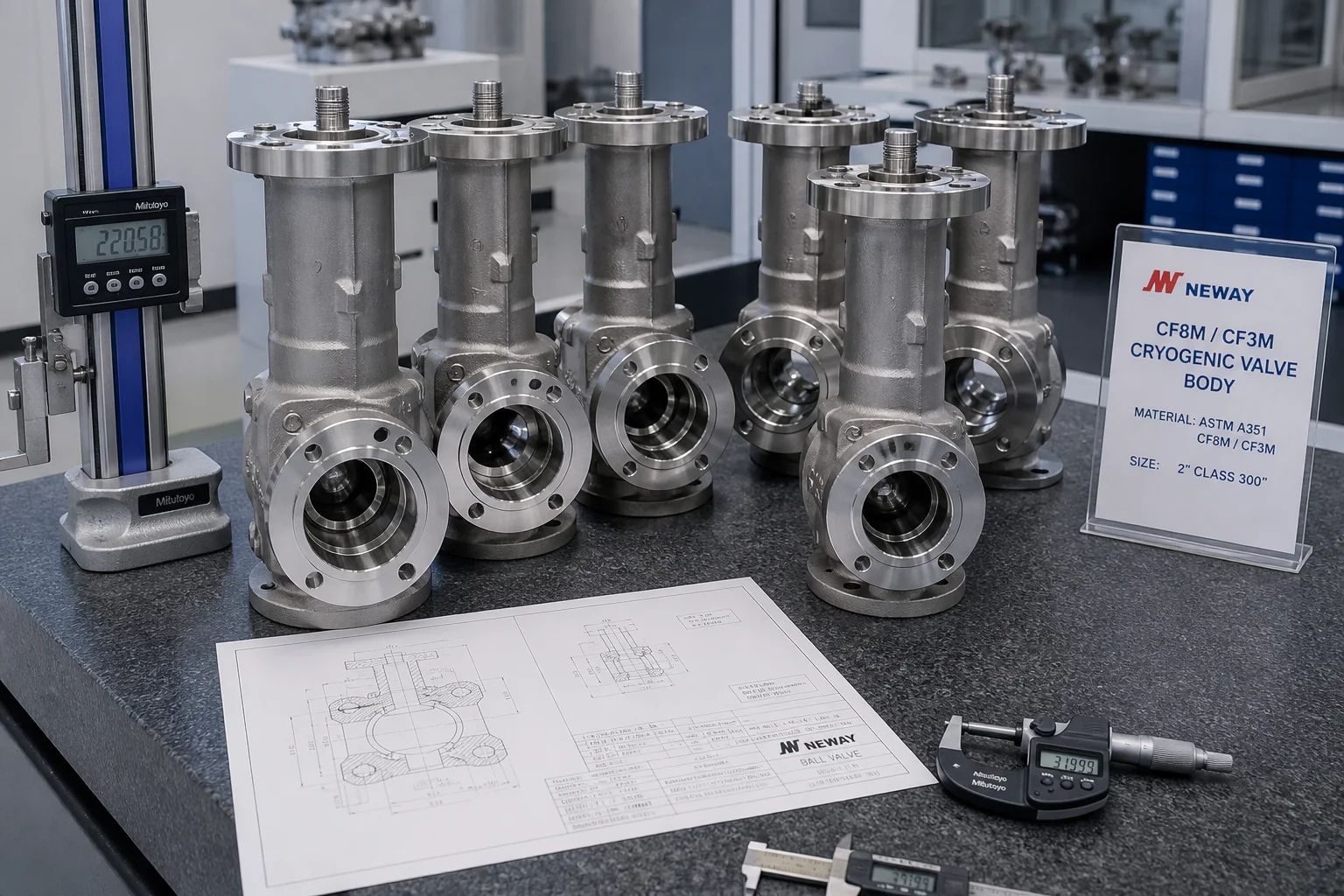
| Cryogenic Ball & Gate Valve Bodies | Liquefied Natural Gas () / LN2 () | Brittle body fracture, seat leakage () | ASTM A351 CF8M / CF3M (Delta-ferrite ; CVN at ) |
| Cryogenic Extended Bonnet Casting | Liquefied Gas / Ambient Thermal Gradient | Stem packing freeze-up, actuator thermal degradation | Monolithic Cast Extended Bonnet (Vapor column insulation) |
| LPG / Liquid Ethylene Valve Bodies | Liquid Propane () / Ethylene () | Body wall fracture, low-temp fatigue | 3.5% Nickel Steel (ASTM A352 LC3 / 1.5638) |
| Cryogenic Control Valve Trims | High-velocity cryogenic throttling | Cavitation flashing erosion, galling at sub-zero temps | Specialty Stellite Hardfaced CF8M / Non-Galling Alloy |
2. Metallurgy & Delta-Ferrite Restriction () in Austenitic Castings
While delta-ferrite () is beneficial in general stainless casting to prevent hot tearing and weld micro-fissuring, in cryogenic service delta-ferrite is dangerous:
- Body-Centered Cubic (BCC) Embrittlement: Delta-ferrite possesses a BCC crystal structure that undergoes severe ductile-to-brittle transition below , serving as rapid cleavage micro-crack initiation highways.
- Phase Stability & Martensitic Transformation: At , unstable austenite transforms into brittle strain-induced martensite () under mechanical stress, causing volumetric expansion and seat distortion.
Chemical Composition Optimization for Cryogenic Stainless Castings:
| Element | ASTM A351 Standard Range | Pengxin Cryogenic Optimized Range | Metallurgical Function |
|---|---|---|---|
| Carbon (C) | (CF8M) / (CF3M) | (Strict Low Carbon) | Eliminates intergranular chromium carbide sensitization during cooling |
| Chromium (Cr) | Maintains corrosion resistance while limiting ferrite-stabilizing potency | ||
| Nickel (Ni) | (High Nickel) | Critical: Strong austenite stabilizer; guarantees FCC matrix stability down to | |
| Molybdenum (Mo) | Provides pitting resistance without driving excess delta-ferrite | ||
| Nitrogen (N) | Not Specified | Interstitial solid solution strengthening; stabilizes austenite | |
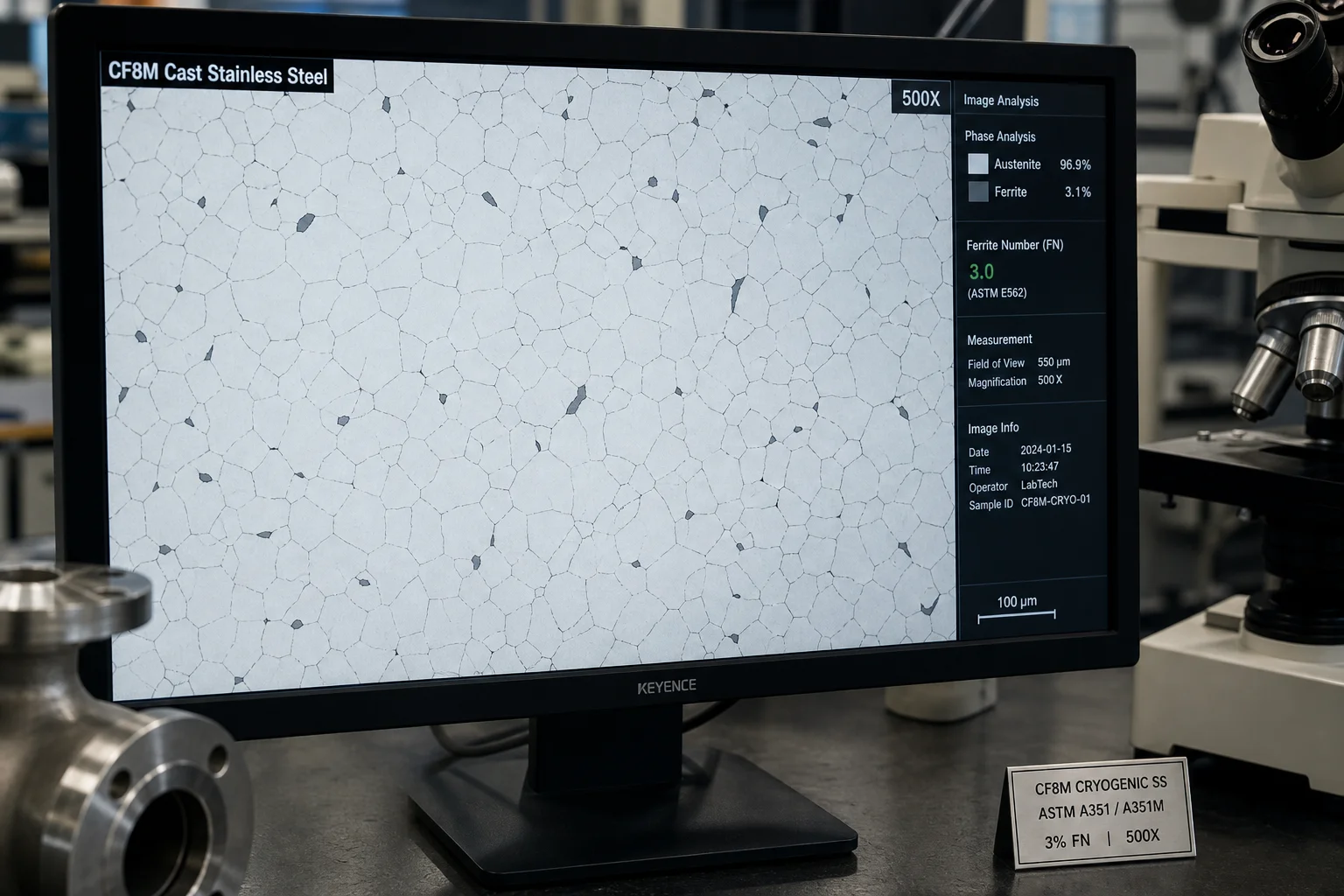
| Delta-Ferrite () | Uncontrolled | (Target: 3% FN) | Critical: High enough to prevent hot tearing; low enough to prevent embrittlement |
3. Extended Bonnet DFM Casting Architecture
Cryogenic valves utilize an Extended Bonnet Column (per BS 6364 and MSS SP-134) to isolate the stem packing gland from the cryogenic fluid stream:
                          [ Actuator / Handwheel ]
                                     │
                                     ▼
                          ┌─────────────────────┐
                          │ Stem Packing Gland  │ ── Ambient Temp Zone (>0 °C)
                          │ (Maintained Warm)   │
                          └──────────┬──────────┘
                                     │
                                     │ Extended Bonnet Column
                                     │ (Gaseous Vapor Insulation Barrier)
                                     │ (Height H based on Pipe Size)
                                     │
                          ┌──────────┴──────────┐
                          │ Cryogenic Valve Body│ ── Cryogenic Liquid (-162 °C to -196 °C)
                          │ (Fully Submerged)   │
                          └─────────────────────┘
Key DFM Casting Considerations:
- Monolithic Single-Piece Cast Bonnet: Casting the extended bonnet and lower flange as a single monolithic component eliminates high-stress circumferential fabrication welds.
- Uniform Wall Thickness & Thermal Modulus: Tapered wall transitions ( down to ) to minimize thermal conduction from the warm top gland down into the cold body, maintaining stable gas pocket insulation.
4. Multi-Axis CNC Precision Cryogenic Seat Machining
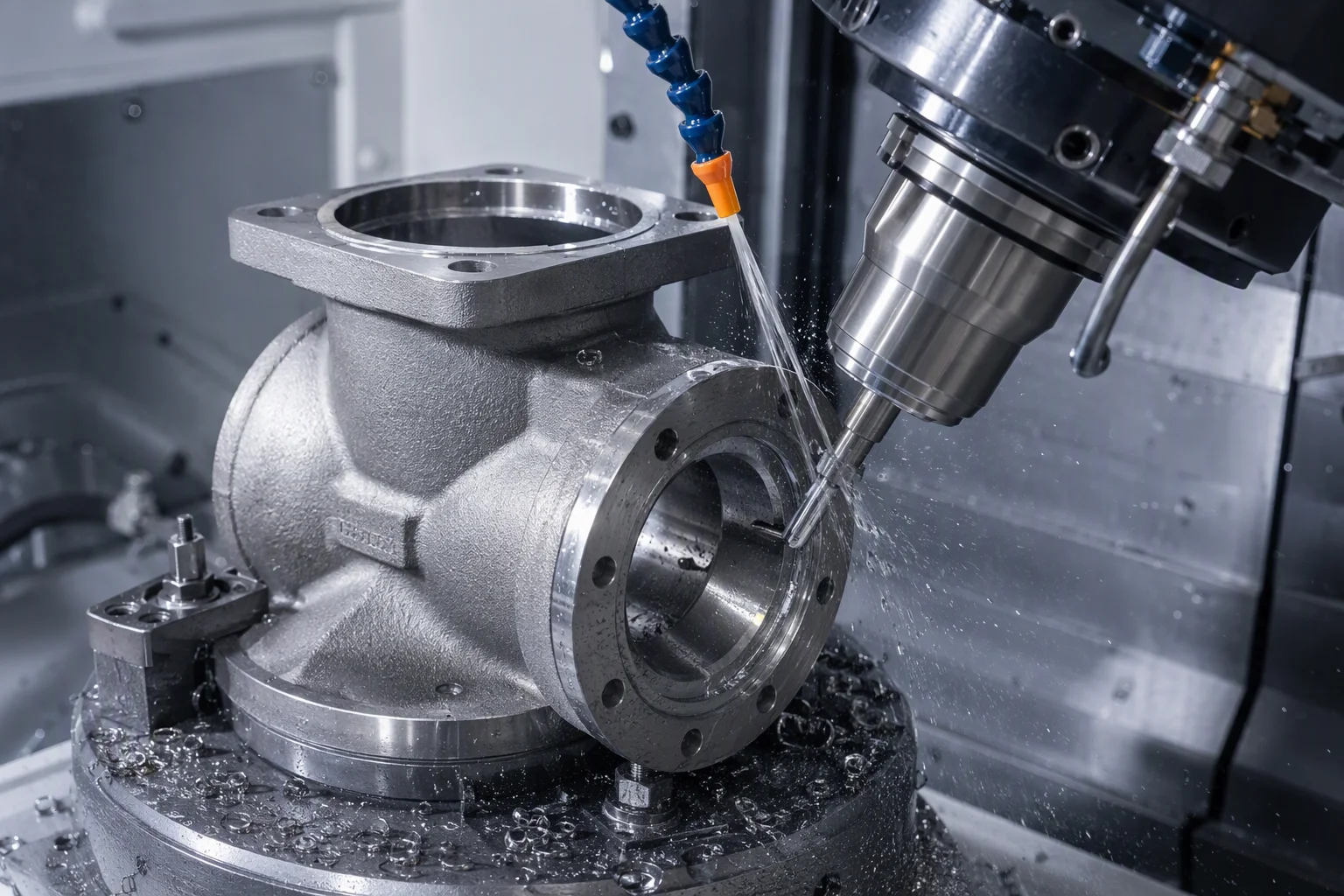
Stainless steel exhibits a thermal contraction coefficient of roughly when cooled from down to . Precision machining must anticipate thermal shrinkage:
        ┌───────────────────────────────────────────────────────┐
        │ 1. Rough CNC Machining & Solution Annealing           │
        │ • 1,080 °C – 1,120 °C Solution Anneal + Rapid Water   │
        └──────────────────────────┬────────────────────────────┘
                                   │
                                   ▼
        ┌───────────────────────────────────────────────────────┐
        │ 2. Cryogenic Thermal Cycling (Sub-Zero Stabilization) │
        │ • Deep soak in Liquid Nitrogen (-196 °C) for 4 hours  │
        │ • Warm back to room temp (Relieves stress & transforms│
        │   unstable austenite before final machining)          │
        └──────────────────────────┬────────────────────────────┘
                                   │
                                   ▼
        ┌───────────────────────────────────────────────────────┐
        │ 3. 5-Axis CNC Finish Machining & Lapping              │
        │ • Turn spherical seat pockets & ball profiles to      │
        │   sphericity $\le 0.008\text{ mm}$ ($Ra \le 0.1\text{ µm}$)│
        └───────────────────────────────────────────────────────┘
5. Standardized Cryogenic Quality Testing (BS 6364 / ISO 28921-1)
| Quality Test Category | Test Standard | Test Parameter & Acceptance Criteria |
|---|---|---|
| Charpy Impact | ASTM E23 / ISO 148-1 | Liquid nitrogen submerged test; (Average) / (Min); lateral expansion |
| Ferrite Content Verification | ISO 8249 / ASTM A799 | Magnetic induction (Ferritscope) calibrated to WRC-1992; |
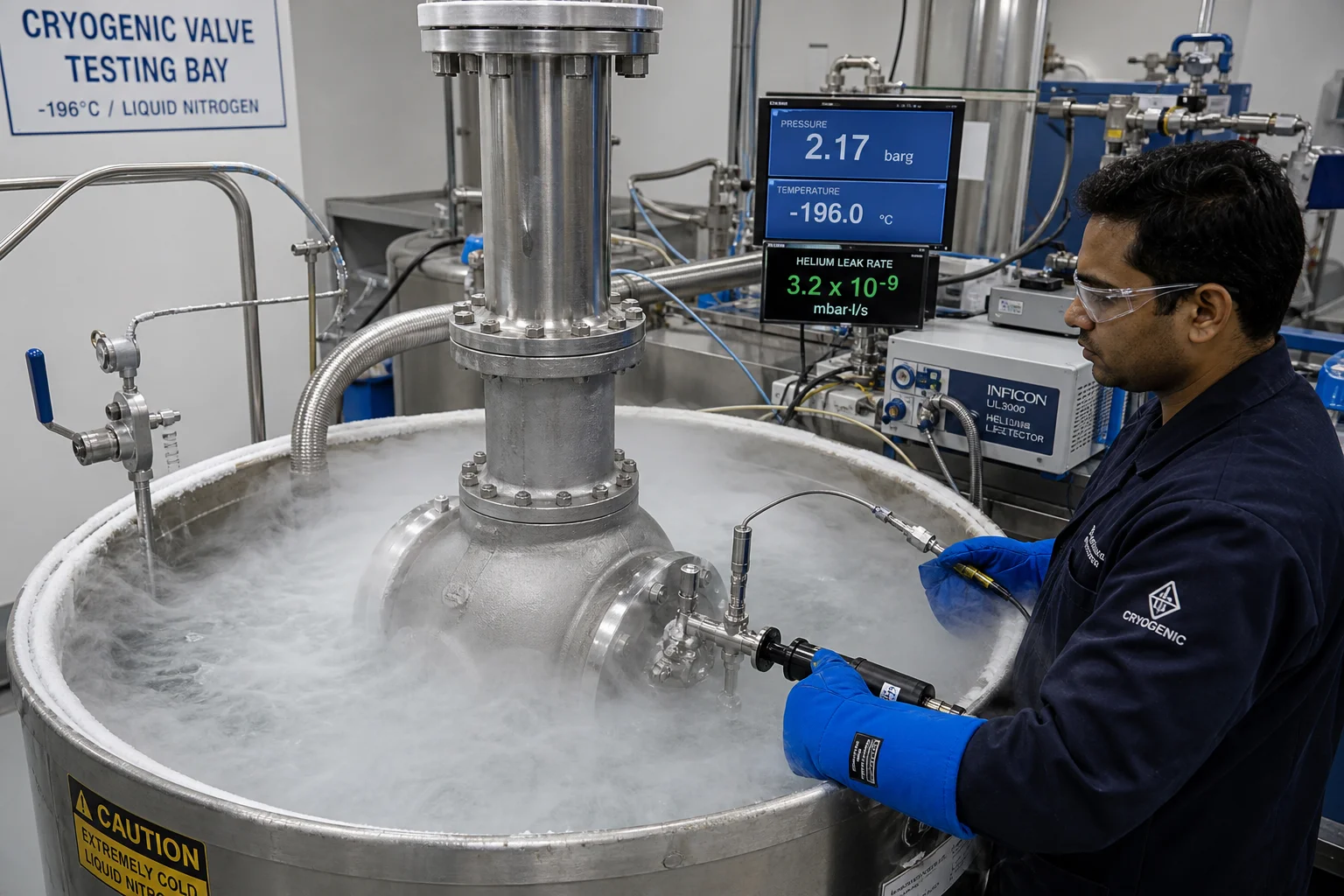
| Cryogenic Helium Leak Test | BS 6364 / ISO 28921-1 | Valve submerged in liquid nitrogen (), pressurized with Helium gas; seat leakage |
| Radiographic Examination (RT) | ASME B16.34 / ASTM E446 | 100% volumetric inspection of neck, body-to-flange, and seat pockets; Level 1/2 acceptance |
| Liquid Dye Penetrant (PT) | ASTM E165 (Fluorescent PT) | 100% inspection of internal flow surfaces and seat pockets; zero linear indications |
6. Cryogenic Casting Manufacturing at Dandong City Pengxin Machinery Co., Ltd.
Manufacturing zero-emission, safe cryogenic valve bodies demands strict melt chemistry control, low-ferrite certification, precision cryogenic thermal cycling, and in-house cryogenic testing.
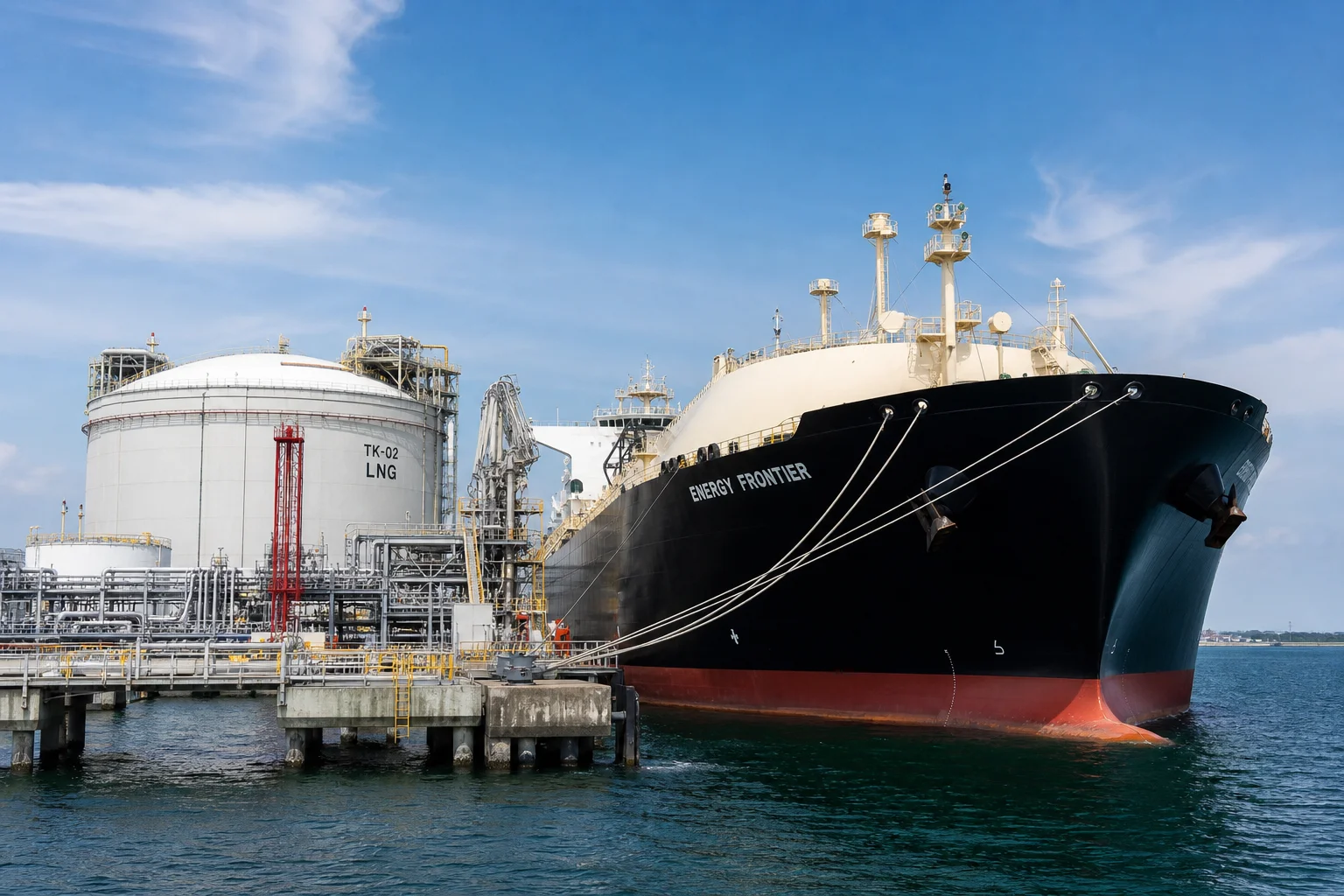
Dandong City Pengxin Machinery Co., Ltd. delivers high-integrity cryogenic valve and pipeline castings for global LNG terminals, marine carriers, and gas infrastructure:
- Specialized Cryogenic Alloys: Certified production of ASTM A351 CF8M, CF3M, CF8, CF3 (with guaranteed delta-ferrite ), and ASTM A352 LC3 (3.5% Ni steel).
- In-House Liquid Nitrogen Testing (): Sub-zero Charpy impact testing bath and cryogenic helium leak testing capabilities verifying BS 6364 compliance.
- Sub-Zero Thermal Stabilization: Dedicated liquid nitrogen thermal shock cycling chambers eliminating retained stress prior to finish machining.
- Precision 5-Axis CNC Machining: High-rigidity machining centers and spherical lapping equipment delivering mirror-finish sealing surfaces ().
- Complete Quality Documentation: ISO 9001 certified, providing full EN 10204 3.1 material test certificates, Ferritscope phase reports, Charpy logs, and NDT reports.
Conclusion
Cryogenic valve and LNG pipeline castings operate under the unforgiving combination of extreme sub-zero temperatures (), volatile gas containment risks, and severe thermal shrinkage. Ensuring zero-leakage safety demands disciplined low-carbon austenitic metallurgy with strictly controlled delta-ferrite (), extended bonnet vapor column DFM design, cryogenic thermal stabilization, and verified Charpy impact toughness.
Partnering with an experienced, integrated cryogenic casting and precision machining powerhouse ensures that your LNG and industrial gas valves perform flawlessly without leakage or downtime.
Contact Dandong City Pengxin Machinery Co., Ltd. to submit your cryogenic valve body drawings or request low-temperature impact test data.
Dandong City Pengxin Machinery Co., Ltd. — Heavy Castings and Precision Machining, Since 1958.
Table of Contents
- 1. Cryogenic Degradation Mechanisms & Engineering Challenges
- 2. Metallurgy & Delta-Ferrite Restriction (≤5%≤5%) in Austenitic Castings
- 3. Extended Bonnet DFM Casting Architecture
- 4. Multi-Axis CNC Precision Cryogenic Seat Machining
- 5. Standardized Cryogenic Quality Testing (BS 6364 / ISO 28921-1)
- 6. Cryogenic Casting Manufacturing at Dandong City Pengxin Machinery Co., Ltd.
- Conclusion