Casting vs. Full Machining: A True Cost Comparison for Complex Parts
1. The Dilemma Every Engineer Faces
When a design calls for a metal component with intricate curves, internal voids, or thin-walled sections, the manufacturing path usually splits into two options: machine it entirely from a solid block, or cast it near to shape and machine only the critical surfaces. Both approaches can deliver a functional part, but the cost, lead time, and material efficiency can differ dramatically. At Dandong Pengxin Machinery Co., Ltd., we help clients navigate this exact decision every day, and in most cases involving complex geometries, starting with an investment casting slashes total cost by 30% to 50% compared to full CNC machining.
2. Understanding the Two Approaches
Full CNC Machining from Bar Stock or Forgings — This method removes material from a solid billet, plate, or forging using multi-axis milling, turning, and drilling. It suits very simple shapes, extremely tight tolerances, or ultra-low quantities where creating casting tooling cannot be justified. However, for complex parts, it often means milling away 80% or more of the starting material, leading to long cycle times, high tooling consumption, and expensive scrap waste.
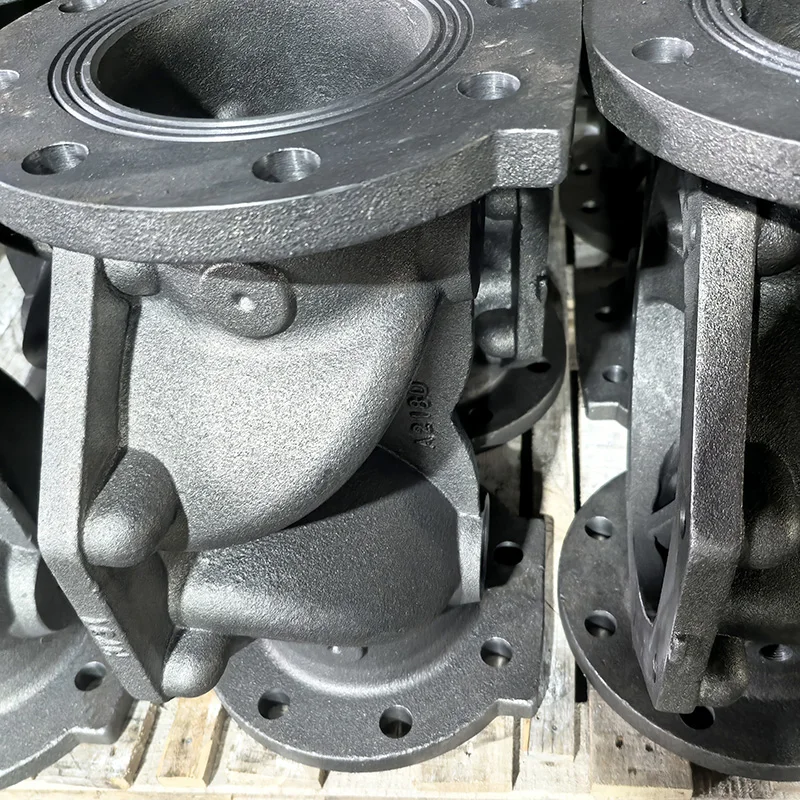
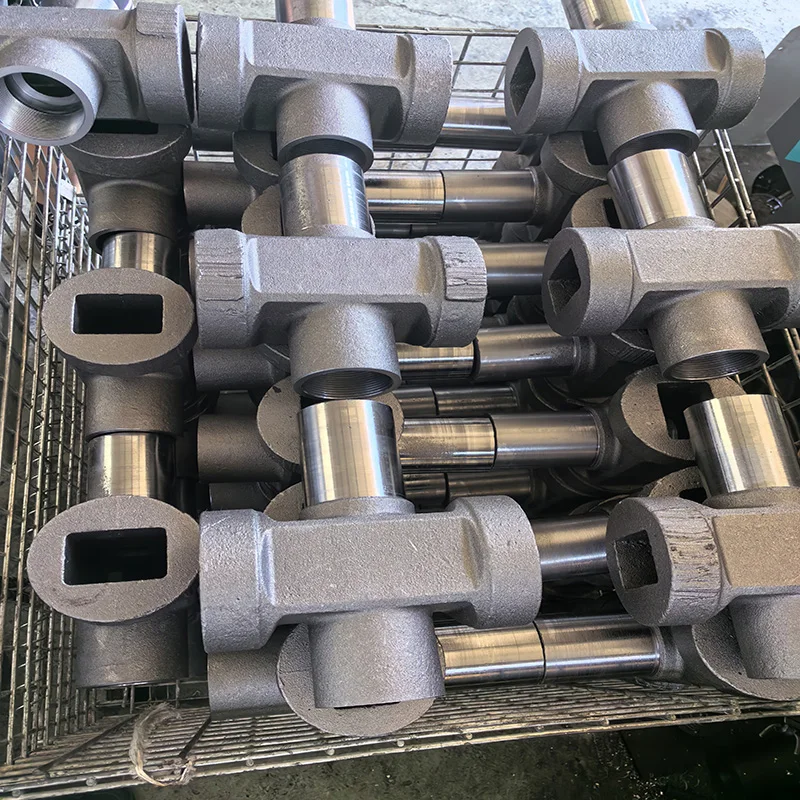
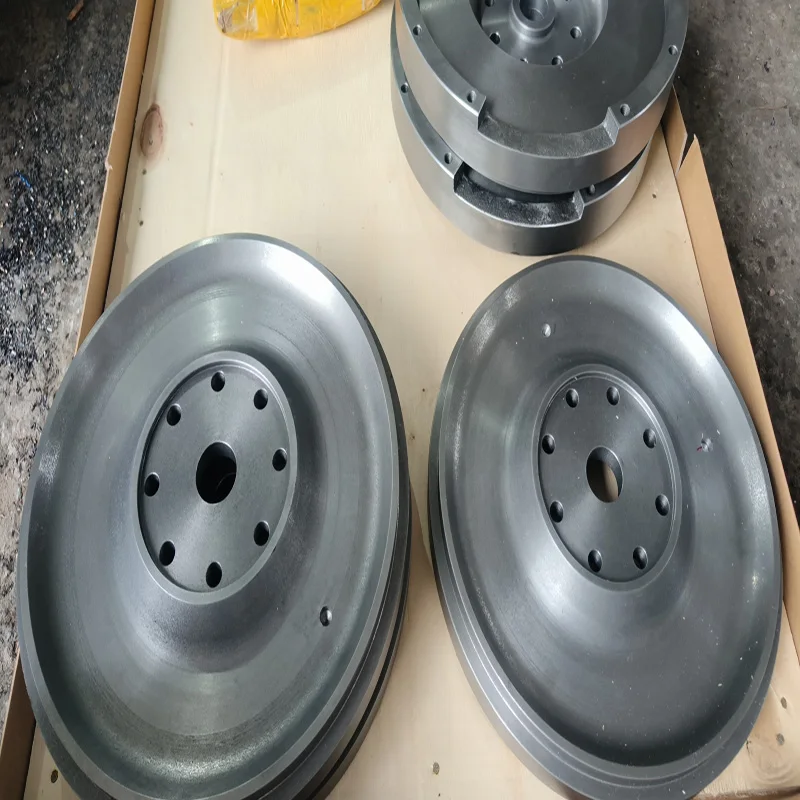
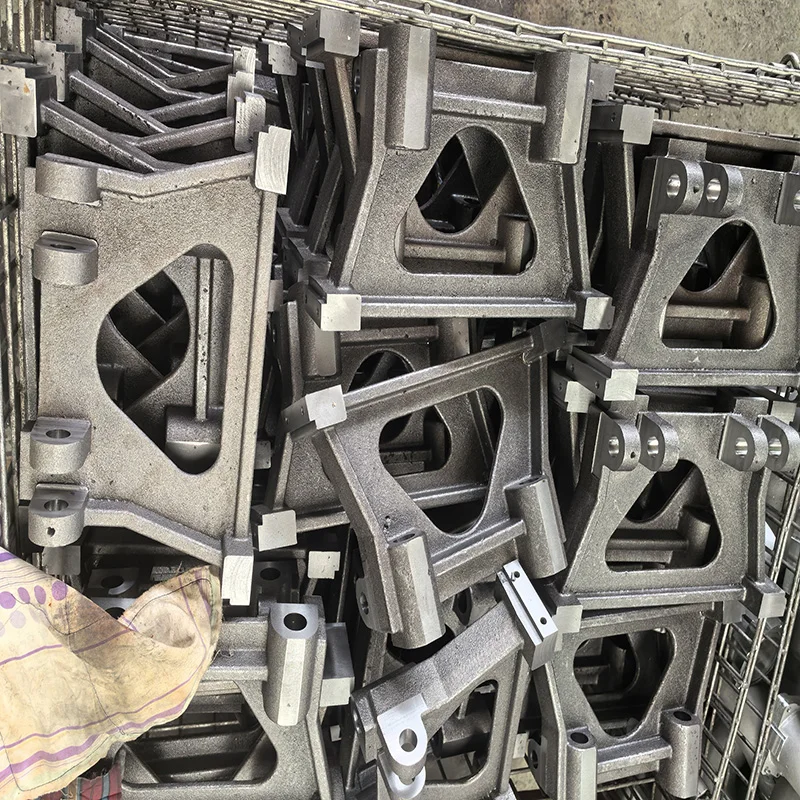
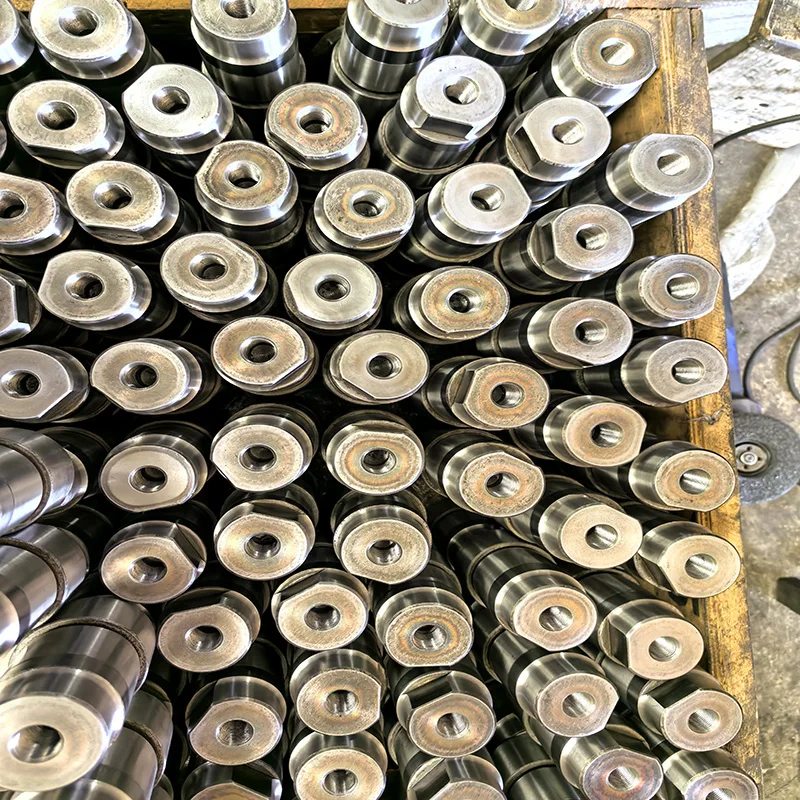
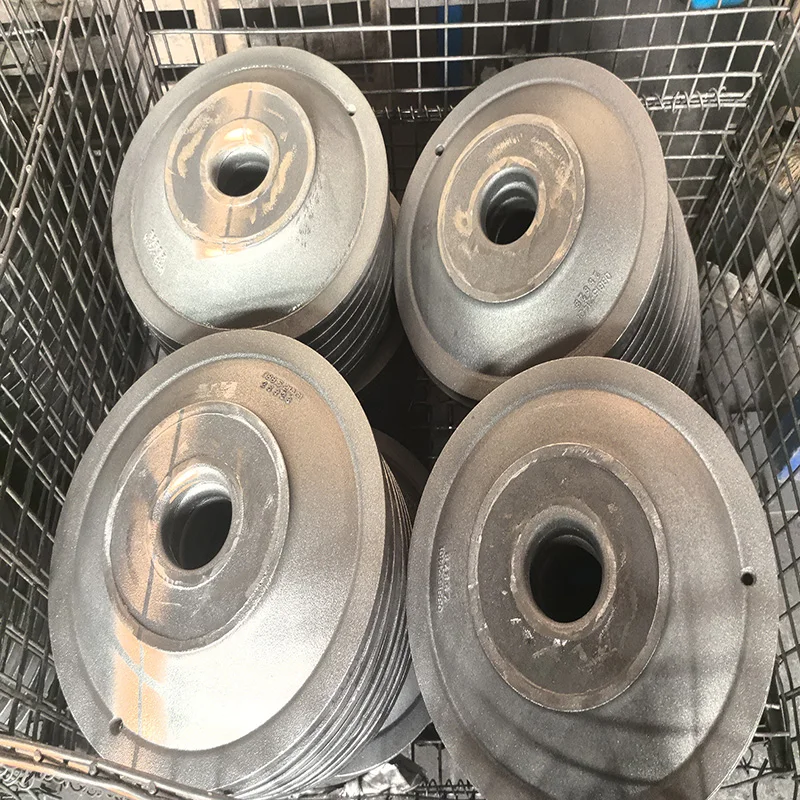
Investment Casting Plus Finish Machining — The lost wax process produces a near-net-shape blank with minimal stock allowance. Only functional surfaces that require precise tolerances or surface finish are machined. This approach is ideal for parts with internal passages, contoured profiles, and lettering that would otherwise demand extensive 5-axis programming and multiple setups.
3. Direct Side-by-Side Comparison
| Criterion | Full CNC Machining | Investment Casting + Machining |
|---|---|---|
| Material Utilization | Often 15–25% (80%+ becomes chips) | Typically 80–95% (near-net-shape) |
| Machining Cycle Time | Very long; heavy roughing required | Light finishing only; drastically shorter |
| Dimensional Accuracy | ±0.01 mm achievable on all surfaces | ±0.05–0.1 mm as-cast, ±0.01 mm on machined features |
| Surface Roughness (Ra) | 0.8–1.6 µm achievable all over | As-cast 3.2–6.3 µm; machined surfaces match CNC |
| Internal/Complex Features | Requires special tooling, EDM, or not possible | Cast directly into shape with soluble/ceramic cores |
| Tooling Cost (Initial) | None (for machining alone) | Moderate investment for wax die |
| Part Unit Cost at Volume | Stays high due to long cycle time | Falls steeply once tooling is amortized |
| Lead Time for Serial Production | Linear with quantity | Fast once mold is ready |
| Best For | Simple shapes, tightest all-over tolerances, prototypes | Complex shapes, medium-to-large volumes, material cost reduction |
Note: The above cost and performance figures are generic references. Actual results depend on part geometry and material.
4. How to Choose the Right Process for Your Part
Choose Full CNC Machining if — Your quantity is under 10–20 pieces and the part geometry is relatively straightforward, or if your part requires sub-0.01 mm tolerances on every surface, making it impossible to work from a casting blank.
Choose Investment Casting + Machining if — Your part features sculpted outer surfaces, internal channels, thin ribs, or weight-reducing pockets. Medium to high quantities (from 100 to 100,000+ units per year) strongly favor casting. Also choose this route when your material cost is high (stainless steel, nickel alloys) and you cannot afford to turn 80% of the billet into chips.
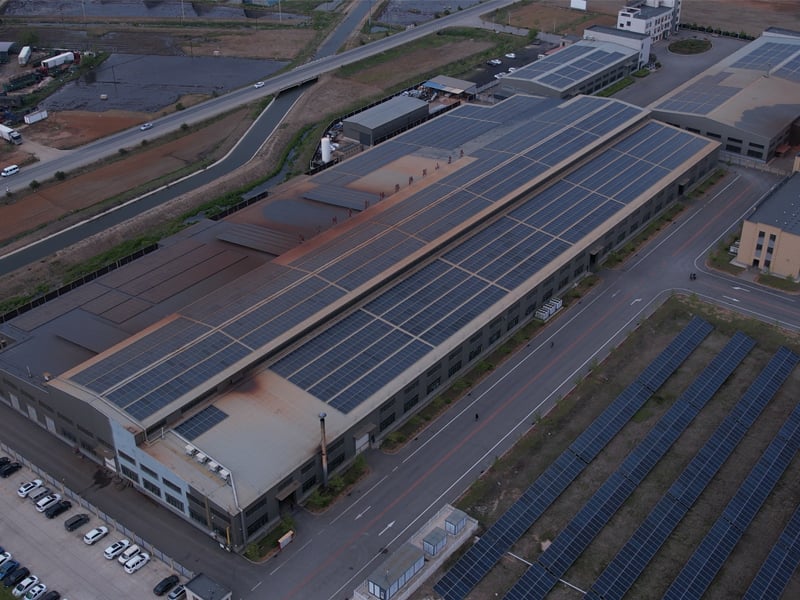
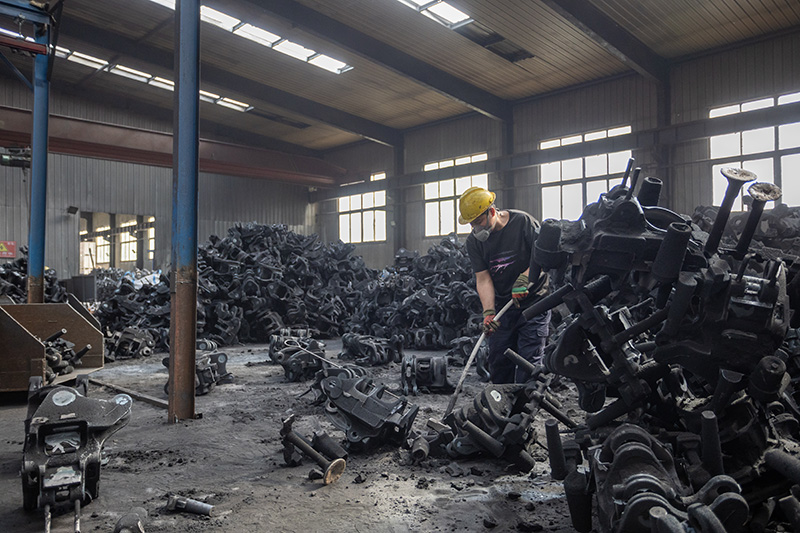
The Sweet Spot We Serve — For components made from stainless steel, heat-resistant steel, and alloy steels that combine complexity with moderate to high volumes, our integrated casting and machining facility almost always provides the most economical path.
5. Get a Cost Breakdown Specific to Your Part
Every part geometry tells a different story. Send us your 3D model or 2D drawing, and our team at Dandong Pengxin Machinery will provide a no-obligation comparison showing the material cost, machining hours, and total per-piece price for both the full-machining route and the investment-casting route. We will help you pick the strategy that puts the most profit margin back into your product. Reach out through our website contact form or email us directly to start your evaluation.
 Hot News
2026-10-16
2026-10-09
2026-10-02
2026-09-25
2026-09-18
2026-09-11
Dandong City Pengxin Machinery was founded in 1958, is a set of casting, machining and assembly as one of the private enterprises.
Wangjiapu Group, Xinan Village, Qianyang Town, Donggang City, Dandong City, Liaoning Province, China
Copyright © Dandong City Pengxin Machinery Co.,Ltd. All Rights Reserved Privacy Policy Blog
 EN
EN