1. Introduction
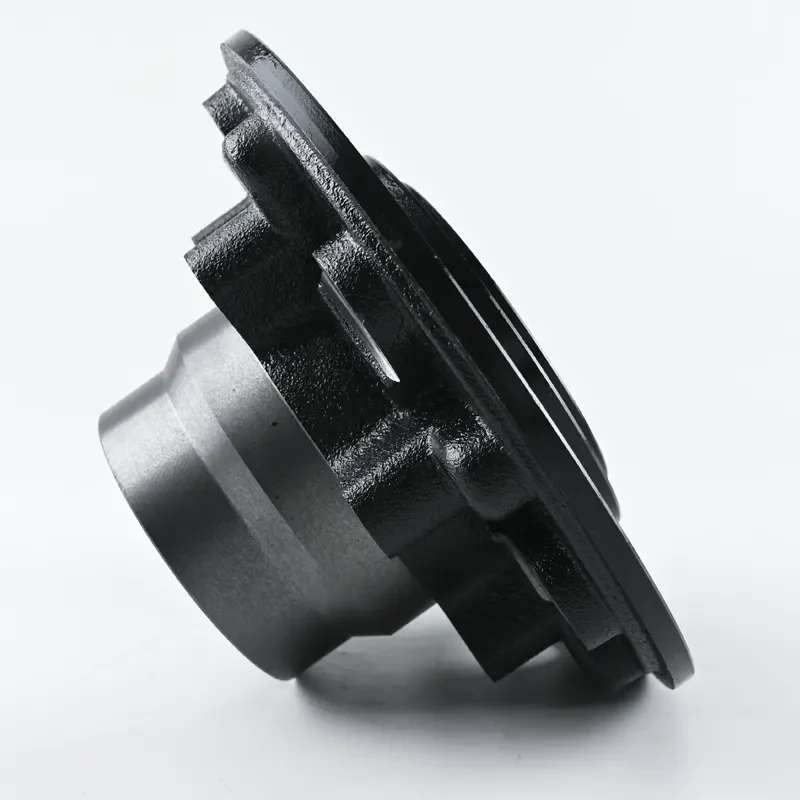
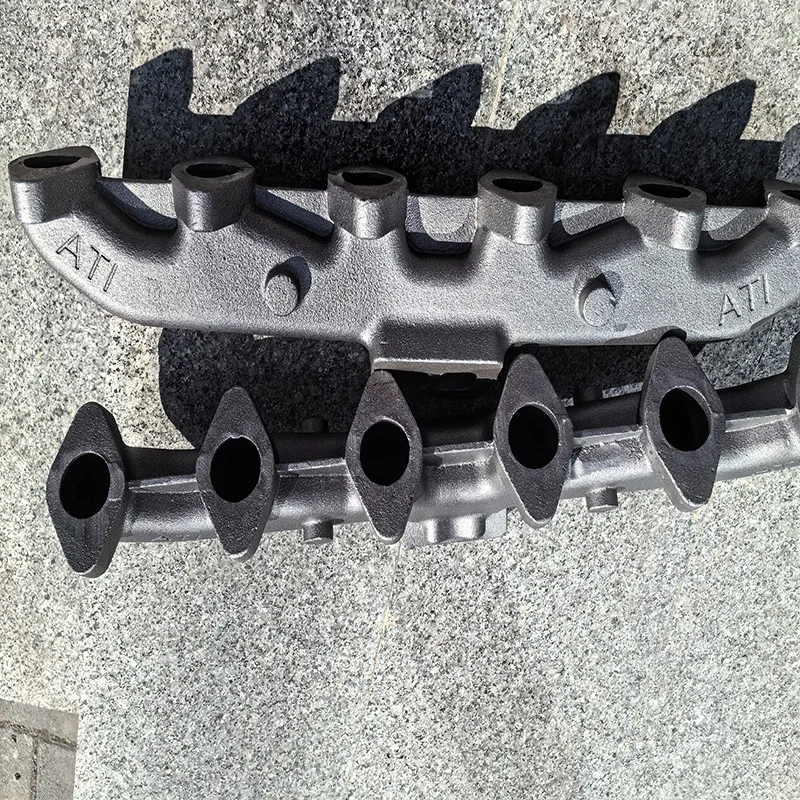
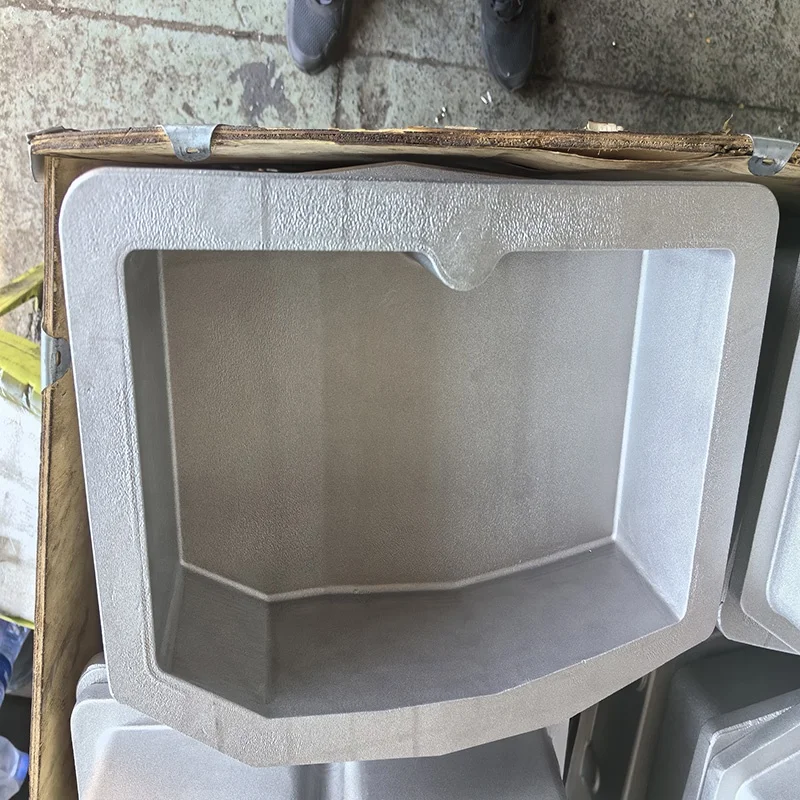
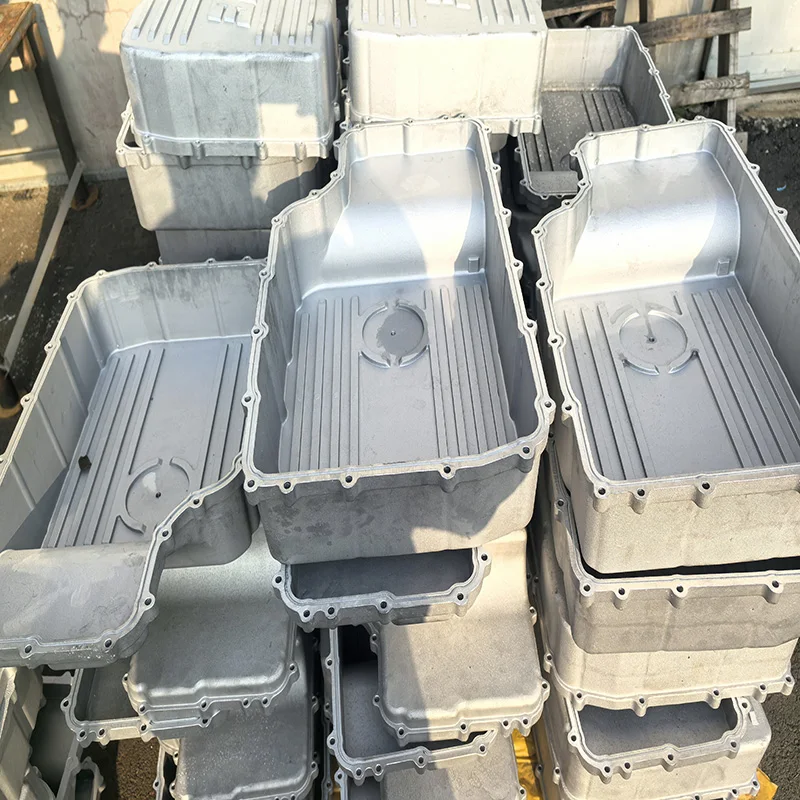
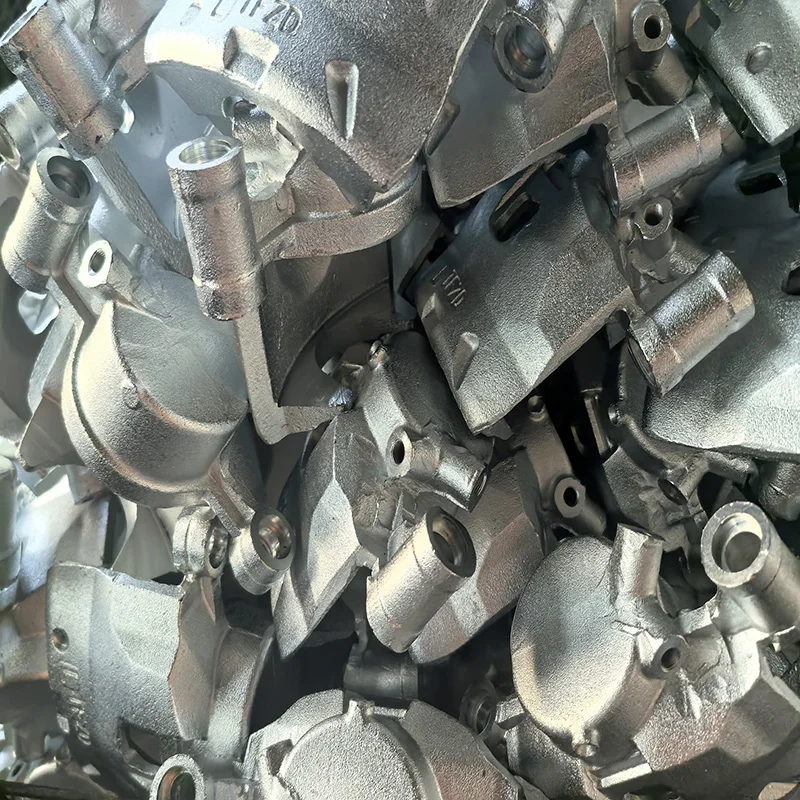
Across every industry that relies on metal components — from heavy machinery to fluid systems — the quality of the final machined part depends first on the integrity of the casting that enters the CNC shop. A casting that falls short on dimensional stability, internal soundness, or surface condition will multiply machining costs and scrap rates. At Dandong Pengxin Machinery Co., Ltd., our sand casting, resin sand casting, and shell molding processes are built around five non-negotiable standards that every casting must pass before it reaches the machining stage.
2. The Five Critical Standards Explained
Standard 1: Dimensional Accuracy within Machining Stock Tolerance — The casting must hold its as-cast dimensions so that the stock allowance on every surface to be machined stays within a predetermined window (typically 2–5 mm for sand castings, tighter for shell molding). Excessive deviation forces the CNC program to chase an unstable blank, while insufficient stock risks leaving unmachined spots.
Standard 2: Internal Soundness — No Shrinkage, Gas Porosity, or Inclusions — Hidden defects beneath the skin become visible only after machining, at which point the part is usually scrap. A casting that meets this standard has been poured through a properly designed gating and risering system, with verified solidification sequencing, degassing practice, and slag trapping.
Standard 3: Consistent Surface Finish without Burn-On or Veining — The as-cast surface must be free of deep sand fusion, chemical burn-on, and veining cracks that can damage cutting tools or create stress concentrations. This is particularly critical for resin sand and shell molding processes, where mold coat selection and shakeout temperatures directly affect surface quality.
Standard 4: Material Chemistry and Mechanical Properties Verified by Coupon Testing — Every heat must deliver the specified grade, whether it is gray iron, ductile iron, or cast steel. Tensile strength, hardness, and elongation are checked on separately cast or attached test coupons before the batch is released. A casting that looks right but misses the tensile spec by 5% will fail in service.
Standard 5: Stress Relieved and Ready for Fixturing — Castings carry residual stresses from uneven cooling and solid shrinkage. A machining-ready casting has undergone a proper heat treatment cycle (stress relieving or full annealing as required) so that it does not warp when material is removed. It must also provide clean, flat datums and locating pads that match the machining fixture plan.
3. How Dandong Pengxin Machinery Embeds These Standards
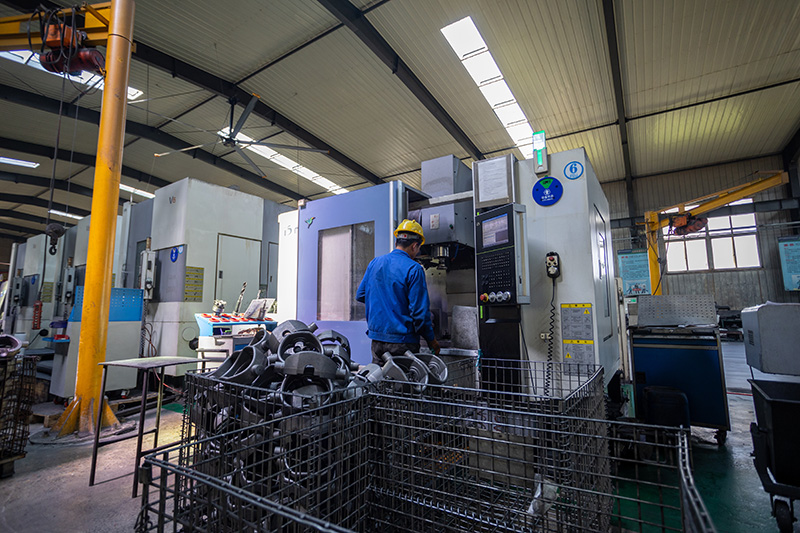
Our quality system turns each standard into a measurable checkpoint. Dimensional layouts of first-off castings are performed on a CMM or manual layout table, with reports directly feeding into the CNC programming team. Internal soundness is verified by radiographic or ultrasonic testing when specified, or by sectioning sample pieces from each lot. Surface finish is checked against visual standards and roughness comparators. Every heat comes with a mill certificate showing chemistry and mechanical results. Stress relieving is carried out in our in-house heat treatment furnaces with time-at-temperature records logged per batch. Because we control the process from mold-making through to finishing, these standards are not aspirational — they are gated steps that a casting must clear before anyone places it on a machining center.
4. Selection Guide: Which Casting Process Fits Your Needs
Choose green sand casting when your parts are moderate in size and complexity, and the cost is the primary driver. This process suits large series of gray iron or ductile iron parts where machining stock can be slightly larger.
Choose resin sand casting when you need higher dimensional accuracy, better surface finish, and stronger mold rigidity for larger components or steel castings. This process handles very heavy parts and can deliver closer net shape.
Choose shell molding when your part requires the best achievable surface finish and dimensional precision among sand-based processes. Ideal for small-to-medium parts in high volumes where you want to minimize machining stock and tool wear. The smoother shell surface frequently allows a reduction in machining stock to as little as 1.5–2 mm.
5. About Dandong Pengxin Machinery Co., Ltd.
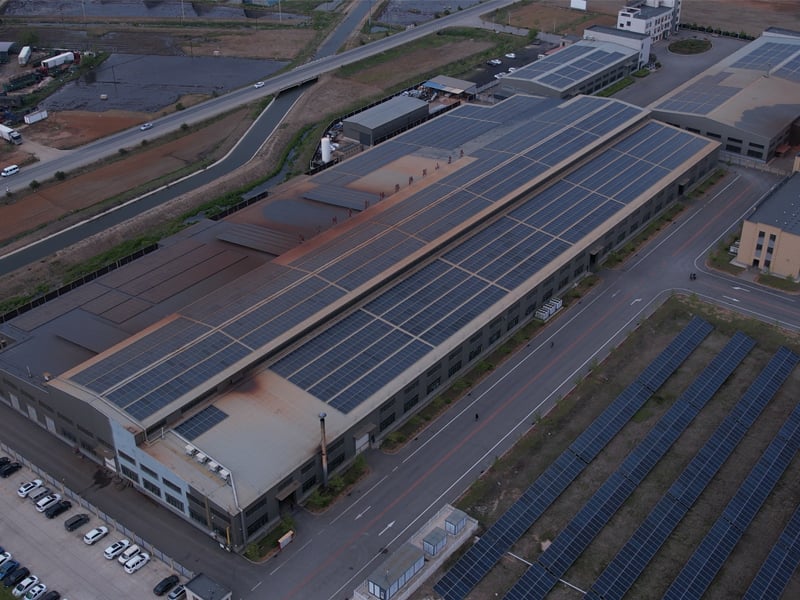
We are a specialized foundry and machining manufacturer focused on sand casting, resin sand casting, and shell molding processes. Our material portfolio covers gray iron (HT200, HT250, HT300 etc.), ductile iron (QT400-18, QT500-7, QT600-3 etc.), and cast steel, as well as various alloy grades. The in-house facility spans pattern making, molding, pouring, heat treatment, surface treatment, CNC machining, and final inspection — meaning we deliver machined, ready-to-assemble castings directly from our plant. We also offer custom packaging, CMM reports, and material certifications as standard documentation.
6. Get a Casting That Is Ready to Machine, Not Rework
If your machining shop has been dealing with excessive foundry variation, hard spots, or unexpected porosity, send us your drawing. Our engineering team will review your part and recommend the casting process and stock strategy that will let your CNC operations run predictably. Click the inquiry link or email us directly to start your consultation.
 Hot News
2026-10-16
2026-10-09
2026-10-02
2026-09-25
2026-09-18
2026-09-11
Dandong City Pengxin Machinery was founded in 1958, is a set of casting, machining and assembly as one of the private enterprises.
Wangjiapu Group, Xinan Village, Qianyang Town, Donggang City, Dandong City, Liaoning Province, China
Copyright © Dandong City Pengxin Machinery Co.,Ltd. All Rights Reserved Privacy Policy Blog
 EN
EN