1. Introduction: The Small-Batch Frustration
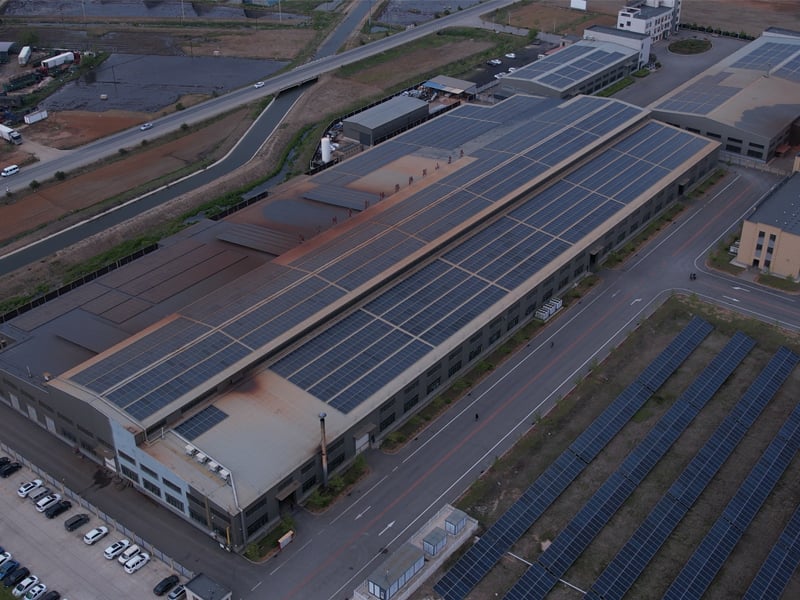
For many equipment builders, maintenance teams, and R&D departments, sourcing custom castings in quantities of 10, 50, or 200 pieces often feels like an uphill battle. Large foundries set high minimum order quantities, while jobbing shops that do accept low volumes frequently quote punishing per-piece prices and long lead times. The result is a procurement bottleneck that delays projects and inflates costs. At Dandong Pengxin Machinery Co., Ltd., we have structured our entire operation around making small-to-medium batch custom casting and machining both economical and fast.
2. Three Core Problems That Make Small-Batch Casting Difficult
Pricing Penalty for Low Volumes — Most high-output foundries amortize tooling and setup costs over thousands of units. When you only need fifty pieces, the setup charges, pattern costs, and machine time allocation are distributed over too few parts, driving the unit price to levels that can kill a project budget. Many buyers find that the quoted price for 50 castings is barely lower than the quote for 200, simply because the supplier charges a fixed “lot charge” that dominates the total.
Lead Time Disconnect — Large foundries operate on campaign scheduling: they run one pattern for an extended period, then switch to another. A small batch must wait until a production slot opens on a molding line that is busy making thousands of another customer’s parts. This creates unpredictable lead times that can stretch from six weeks to twelve weeks or more, completely out of sync with an urgent repair or a pilot production run.
Communication and Flexibility Breakdown — When a small order represents a tiny fraction of a large foundry’s revenue, the buyer often receives minimal engineering attention. Questions about material grade modifications, slight design tweaks, or custom testing requirements go unanswered for days. The supplier is structurally disincentivized to adapt its process to a small customer’s specific needs, leading to compromises on quality or delivery.
3. How Dandong Pengxin Machinery Solves These Problems
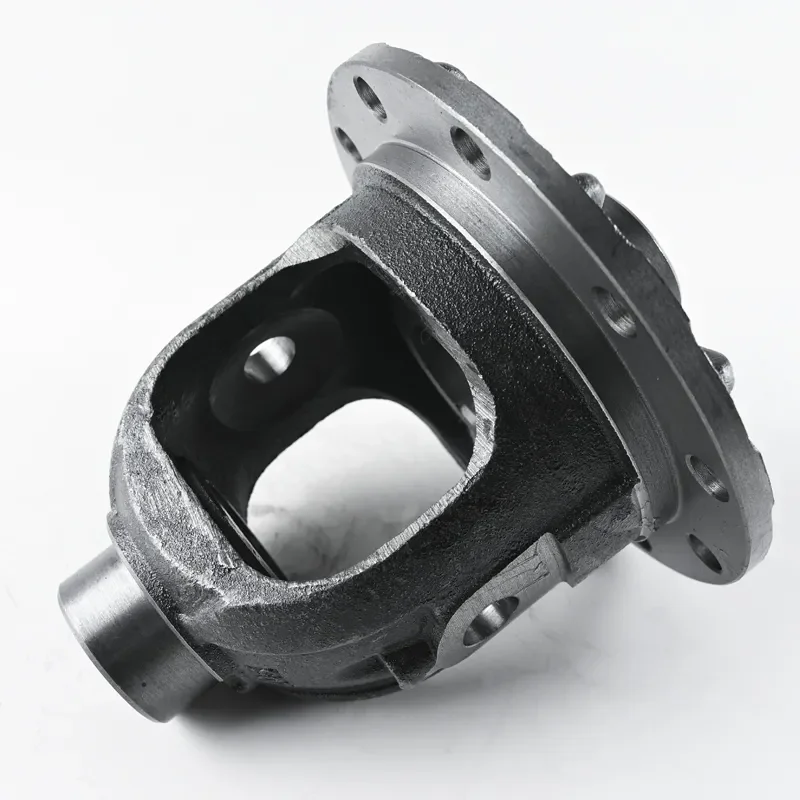
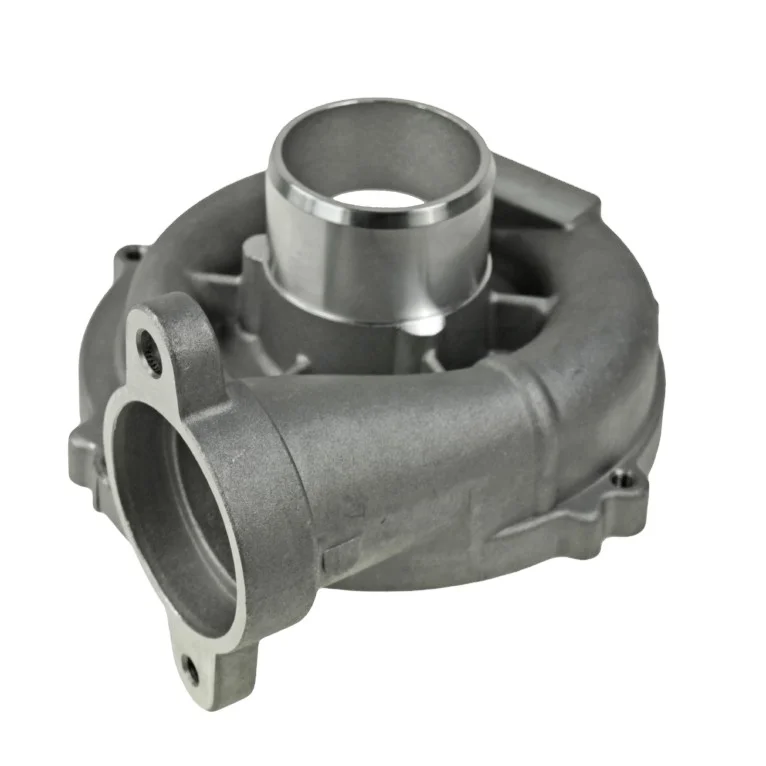
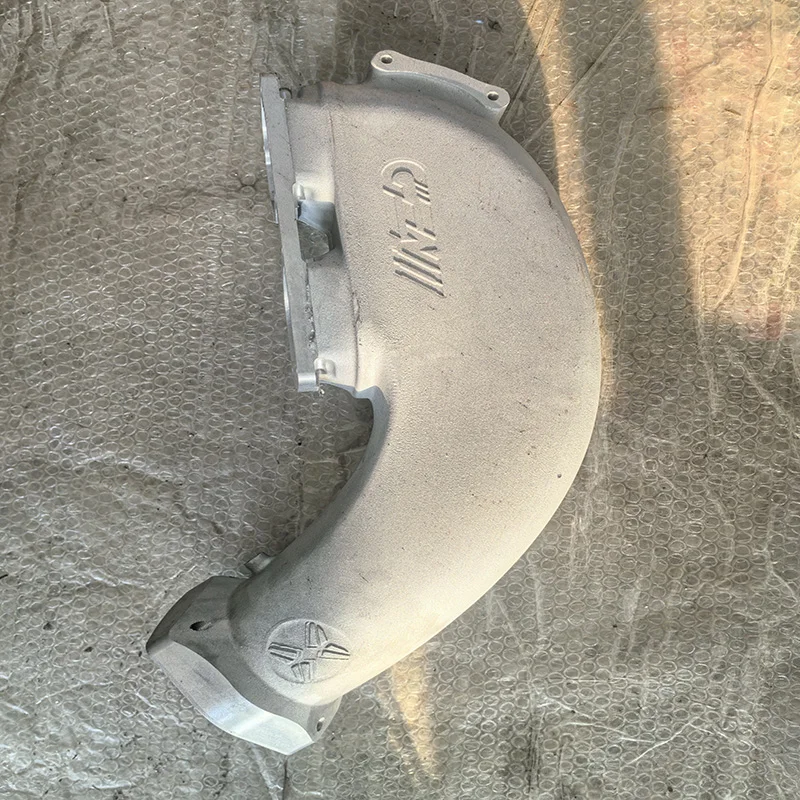
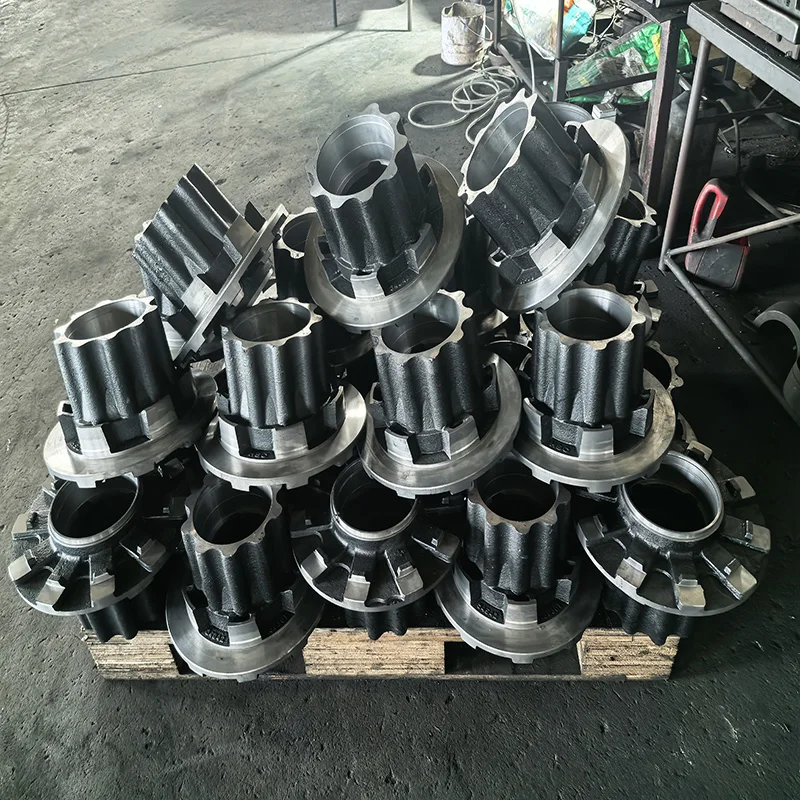
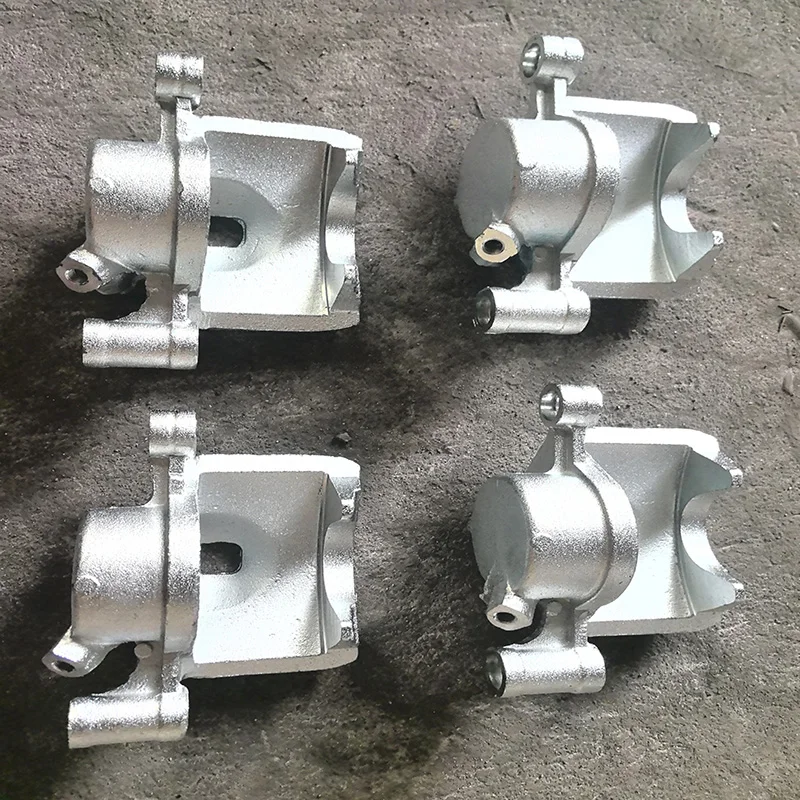
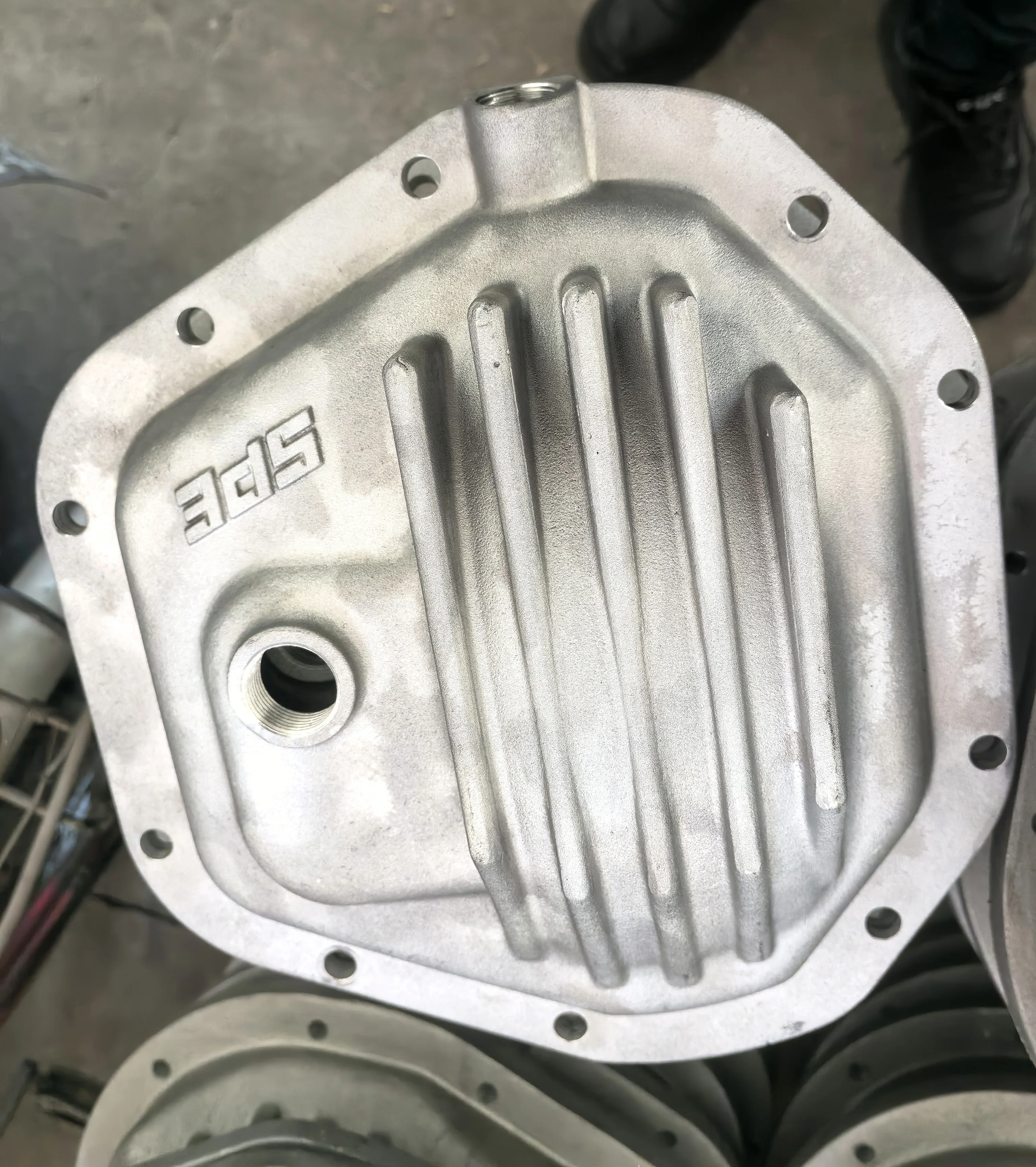
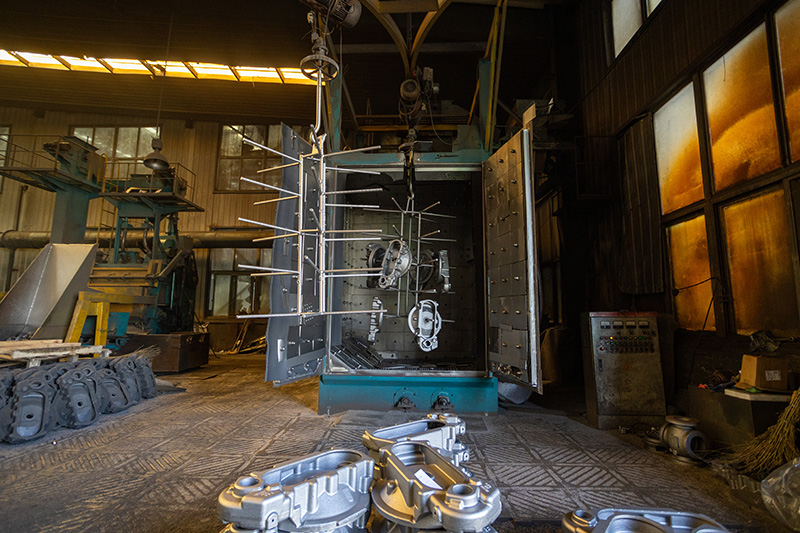
Flexible Molding Processes Matched to Order Size — We do not force every small batch onto a single high-speed production line. Our sand casting, resin sand casting, and shell molding processes are operated on a flexible shop floor. Shell molding, with its long pattern life, often provides an ideal balance of near-net-shape precision and low lot charge for small series of ductile iron or steel parts. Resin sand handles larger pieces in small quantities with good dimensional control. This process flexibility means we can match the process to your order size, not the other way around, keeping setup costs proportionate.
Transparent, Lot-Based Pricing Structure — We quote small batches honestly by separating tooling (a one-time cost) from per-piece casting and machining cost. Our pricing does not contain hidden minimum charges or artificially inflated small-lot surcharges. Because we are set up specifically for short runs, our overheads and operation planning already reflect small-batch production from the start. Customers frequently tell us that our 50-piece price is 25% to 40% lower than what large-scale foundries quoted for the same quantity.
Engineering Engagement on Every Order — Each small-batch project is assigned a dedicated project engineer who works through your drawing in detail before we cut a single pattern. We provide design-for-manufacturing feedback — suggesting parting line locations, stock allowances, and fillet radii that will improve casting yield and reduce machining cost — without requiring a commitment to high volumes. You receive this technical attention even if your first trial order is just 10 pieces.
Built-In Machining Capability for a True One-Stop Outcome — Many small-batch buyers also struggle to find a machine shop willing to take on short-run casting machining. By offering in-house CNC machining alongside the foundry, we eliminate the second sourcing battle. Your 50 castings arrive at your dock fully machined, inspected, and ready to assemble. One purchase order, one lead time, one responsible party.
4. Real-World Example: A Maintenance Replacement Part in Ductile Iron
A regional pump service company approached us needing 30 replacement impellers for an obsolete pump model. The original OEM wanted a minimum order of 500 units and a 20-week lead time. Large sand foundries quoted high unit prices with a 10-week delivery. Our solution: we 3D-scanned the worn original, created a resin sand mold pattern, cast the impellers in QT500-7 ductile iron, stress-relieved them, and finish-machined the bores and faces in our CNC shop. Delivered quantity: 30 pieces. Lead time: just under four weeks. Per-piece cost was 35% below the lowest large-foundry quote. The pump service company has since returned with three additional small-batch projects.
 Hot News
2026-10-16
2026-10-09
2026-10-02
2026-09-25
2026-09-18
2026-09-11
Dandong City Pengxin Machinery was founded in 1958, is a set of casting, machining and assembly as one of the private enterprises.
Wangjiapu Group, Xinan Village, Qianyang Town, Donggang City, Dandong City, Liaoning Province, China
Copyright © Dandong City Pengxin Machinery Co.,Ltd. All Rights Reserved Privacy Policy Blog
 EN
EN