
 EN
EN
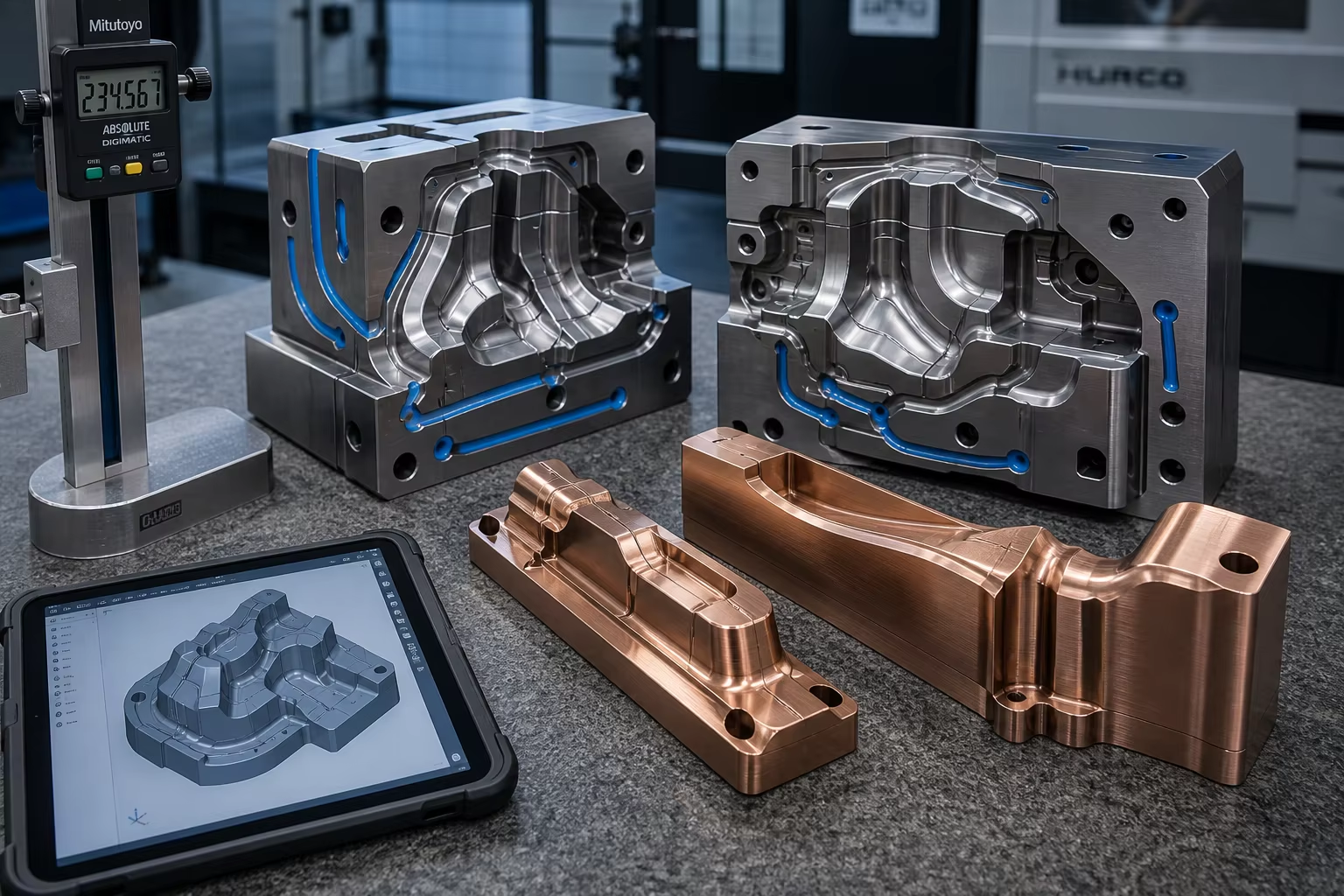
Meta Description: A complete technical guide to cast-to-shape hot-work tool steels and precision mold alloys. Explore Cast H13 (DIN 1.2344 / 4Cr5MoSiV1), Beryllium-Copper (C17200), and Nickel-Silicon-Bronze (C18000), internal conformal cooling line casting, vacuum heat treatment to 46-52 HRC, and 5-axis CNC finishing.
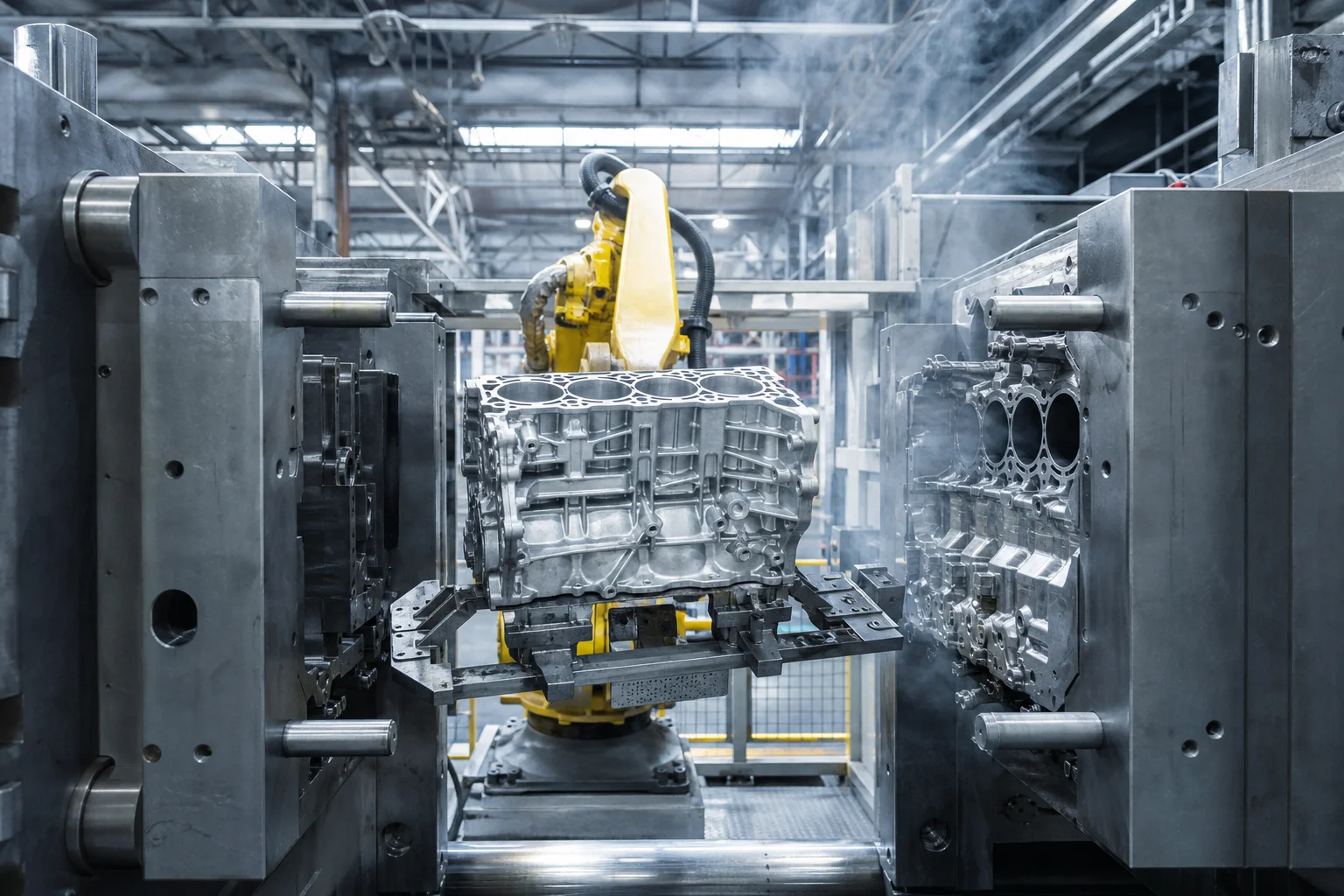
In high-pressure aluminum and magnesium die casting, hot stamping of advanced high-strength automotive steels, and complex plastic injection molding, tooling inserts and mold core blocks represent the highest-value engineered hardware in the manufacturing chain. Operating under rapid thermal cycling:
- High-Pressure Die Casting (HPDC) Die Inserts: Endure rapid cyclic contact with molten aluminum () injected at pressures exceeding and velocities over , followed immediately by cold water spray quenching every 30 to 60 seconds. This violent thermal shock triggers heat checking (thermal fatigue micro-crazing), gross thermal cracking, liquid aluminum soldering, and erosion wear.
- Complex Injection Mold & Stamping Inserts: Require intricate deep cooling channels and contoured parting geometries. Conventional subtractive CNC milling from solid forged blocks wastes up to of expensive tool steel and cannot produce curved internal cooling galleries.
To overcome these manufacturing bottlenecks, foundries and mold makers deploy Precision Cast-to-Shape Hot-Work Tooling. By casting Modified Hot-Work Tool Steels (Cast AISI H13 / DIN 1.2344 / 4Cr5MoSiV1) and High-Thermal-Conductivity Copper Alloys (Beryllium-Copper C17200 and Nickel-Silicon-Bronze C18000) directly to near-net shape with Cast-In Conformal Cooling Lines, tooling manufacturers reduce rough machining cycle times by up to , improve cooling efficiency by , and drastically cut total tooling costs.
This engineering guide provides an in-depth analysis of cast tool steel metallurgy, ceramic shell/sand molding with conformal cooling, vacuum heat treatment for thermal fatigue resistance (46–52 HRC), and 5-axis high-speed CNC finishing.
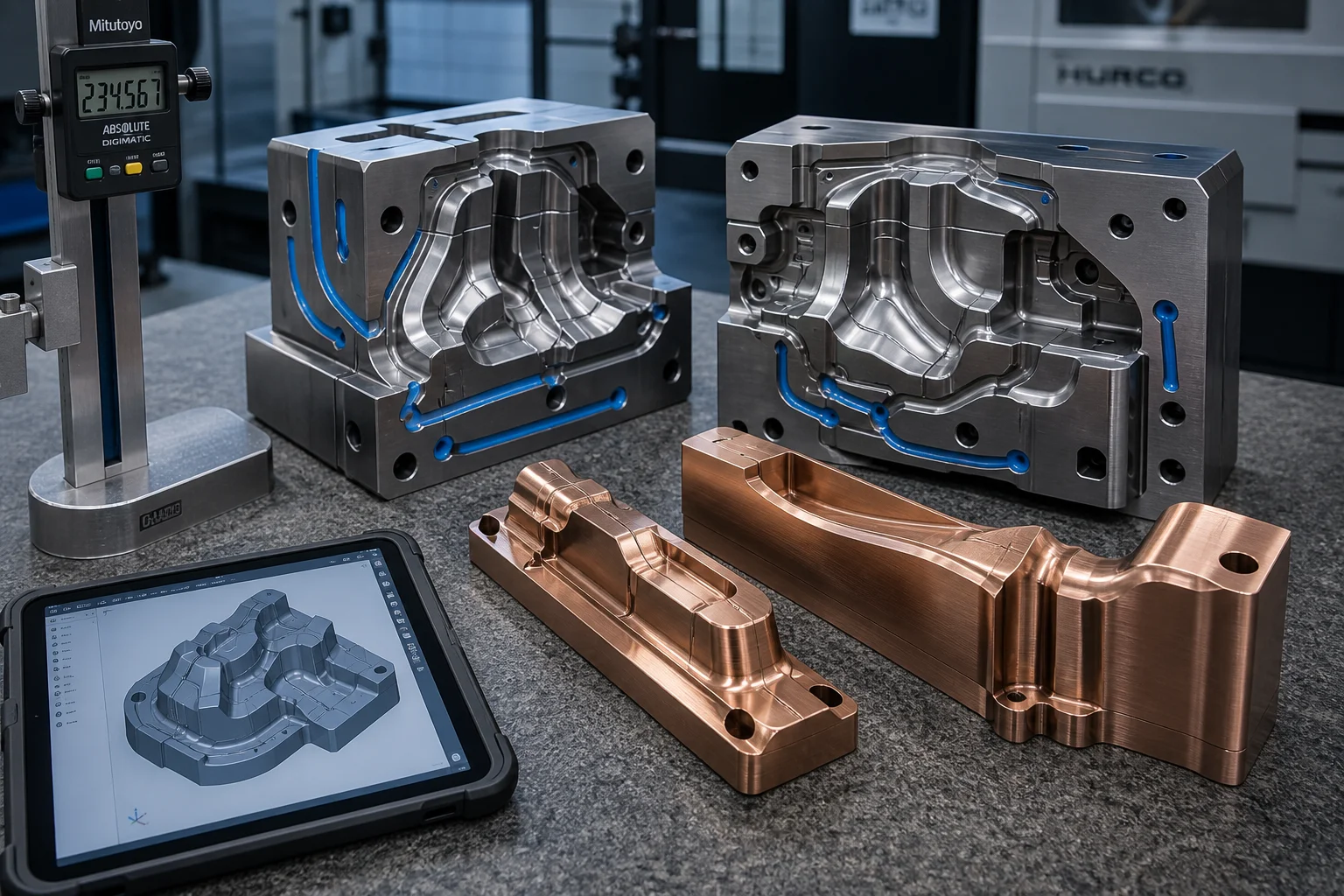
1. Thermal Fatigue (Heat Checking) & Mold Degradation Modes
                     ┌──────────────────────────────────────────────┐
                     │ Severe Cyclic Thermal Shock (20 °C ◄► 700 °C)│
                     └──────────────────────┬───────────────────────┘
                                            │
        ┌───────────────────────────────────┼───────────────────────────────────┐
        ▼                                   ▼                                   ▼
┌───────────────────────────────┐ ┌───────────────────────────────┐ ┌───────────────────────────────┐
│ Heat Checking (Thermal Fatigue│ │ Liquid Aluminum Soldering     │ │ Gross Die Cracking / Split    │
│ (Cyclic expansion/contraction │ │ (Intermetallic Fe-Al chemical │ │ (Stress concentration at sharp│
│  creating network micro-cracks│ │  welding causing surface gall)│ │  internal fillet radii)       │
└───────────────────────────────┘ └───────────────────────────────┘ └───────────────────────────────┘| Tooling Application | Operating Temperature Range & Cycle | Dominant Failure Mode | Material Grade Solution |
|---|---|---|---|
| HPDC Aluminum Die Casting Cavity Inserts | / 45-sec cycle | Heat checking, soldering, cavitation washout | Cast AISI H13 Mod / DIN 1.2344 (46–50 HRC) |
| Hot Stamping / Press Hardening Dies | / High contact pressure | High-stress adhesive galling, die edge chipping | Cast Hot-Work Steel + Mo/V Enrichment (50–54 HRC) |
| High-Cycle Plastic Injection Core Pins | Continuous fast cooling / Cycle | Hot-spot cycle delay, plastic sink marks | Beryllium-Copper (C17200) / CuNiSi (C18000) () |
| Glass Bottle Forming Molds & Plungers | molten glass contact | High-temp oxidation, thermal shock cracking | Cast Austenitic / Nickel-Alloyed Tool Steel |
2. Cast Tool Steel & High-Conductivity Copper Metallurgy
A. Cast Hot-Work Tool Steel: AISI H13 (DIN 1.2344 / 4Cr5MoSiV1)
Cast H13 is an air-hardening tool steel with a fine balance of high red-hardness, excellent thermal conductivity, and superior toughness:
| Element | Weight Percent (wt%) | Critical Metallurgical Role in Cast Tooling |
|---|---|---|
| Carbon (C) | Provides core hardness and matrix strength; balanced to maintain impact ductility | |
| Chromium (Cr) | Enhances deep air hardenability; forms carbides resisting thermal softening | |
| Molybdenum (Mo) | Strongly boosts secondary hardening resistance at ; suppresses temper brittleness | |
| Vanadium (V) | Critical: Forms ultra-hard vanadium carbides () that pin grain boundaries | |
| Silicon (Si) | Improves high-temperature oxidation scaling resistance and fluidity during casting |
B. High-Thermal-Conductivity Mold Alloys: Beryllium-Copper & Nickel-Silicon-Bronze
In injection molds and die casting chill vents, hot spots cause cycle bottlenecks. High-conductivity copper alloys extract heat 3 to 4 times faster than tool steel:
| Alloy Grade / Standard | Chemical Composition (wt%) | Thermal Conductivity () | Hardness Range | Key Application Advantage |
|---|---|---|---|---|
| Beryllium-Copper C17200 (BeCu 25) | 38 – 44 HRC | Extreme hardness with steel thermal conductivity; eliminates core hot spots | ||
| Nickel-Silicon-Bronze (C18000 / CuNi2Si) | 28 – 34 HRC | High thermal conductivity; beryllium-free eco-friendly mold core alloy | ||
| Premium Cast H13 Tool Steel | 46 – 52 HRC | High red hardness and impact toughness for high-wear die cavities |
3. Cast-to-Shape Tooling with Cast-In Conformal Cooling Channels
Traditional drilling produces straight, intersecting water lines that leave dead corners and hot spots. Precision casting creates curved, contoured Conformal Cooling Channels:
┌─────────────────────────────────────────────────────────────┐
│ 1. 3D Printed Ceramic / Quartz Sand Internal Cores         │
│    • Curved, serpentine internal passage geometry mimicking │
│      the complex 3D mold cavity surface profile             │
├─────────────────────────────────────────────────────────────┤
│ 2. Precision Ceramic Shell / Zircon Sand Molding            │
│    • Ultra-fine refractory wash delivers Ra 1.6–3.2 µm      │
│    • Near-net-shape casting leaves only 1.5–3.0 mm CNC stock│
├─────────────────────────────────────────────────────────────┤
│ 3. Vacuum Induction Melting (VIM) with Argon Cover          │
│    • Zero hydrogen porosity; extremely low S, P (<=0.010%) │
├─────────────────────────────────────────────────────────────┤
│ 4. Chemical Core Leaching (Fused Caustic Leaching)          │
│    • Dissolves internal quartz cores, leaving clean, smooth │
│      unobstructed conformal water cooling passages          │
└─────────────────────────────────────────────────────────────┘
4. Multi-Stage Vacuum Heat Treatment for Maximum Thermal Fatigue Life
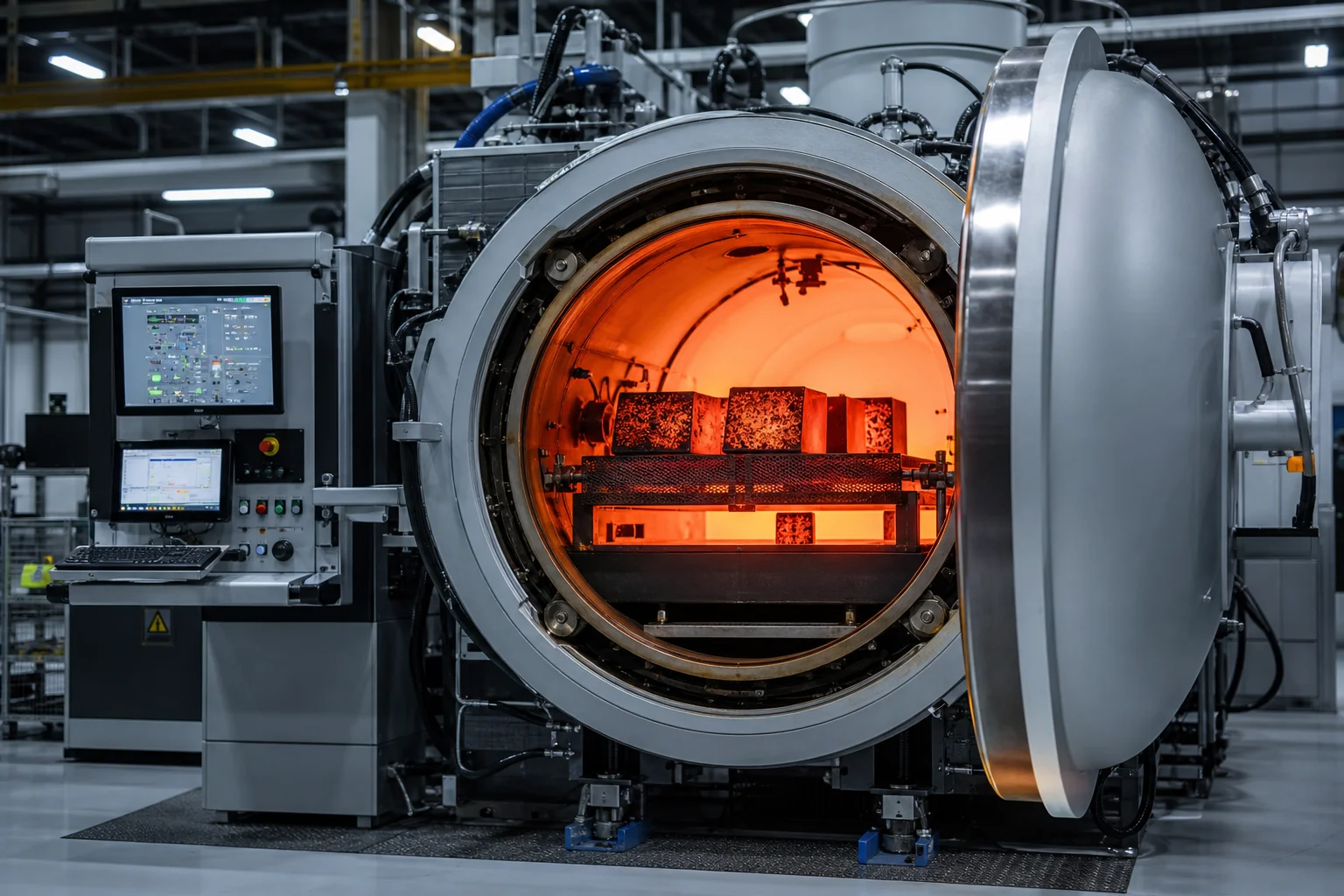
To prevent catastrophic die cracking while maximizing resistance to heat checking, cast H13 inserts undergo automated Computer-Controlled Vacuum Heat Treatment:
Cast As-Cast Tool Steel Insert
             │
             ▼
┌────────────────────────────────────────────────────────┐
│ 1. Double Pre-Heating (650 °C and 850 °C)              │
│    (Minimizes thermal shock and distortion in vacuum)  │
└────────────┬───────────────────────────────────────────┘
             │
             ▼
┌────────────────────────────────────────────────────────┐
│ 2. High-Temperature Austenitizing (1,020 °C – 1,040 °C)│
│    (Fully dissolves vanadium & molybdenum carbides)    │
└────────────┬───────────────────────────────────────────┘
             │
             ▼  High-Pressure Nitrogen Gas Quench (6–10 bar)
┌────────────────────────────────────────────────────────┐
│ 3. Rapid Gas Quenching to Form High-Hardness Martensite│
│    (As-quenched hardness: 54–56 HRC)                   │
└────────────┬───────────────────────────────────────────┘
             │
             ▼
┌────────────────────────────────────────────────────────┐
│ 4. Triple Tempering Cycles (540 °C – 620 °C)           │
│    • 1st Temper (540 °C): Secondary hardening peak     │
│    • 2nd Temper (580 °C): Transforms retained austenite│
│    • 3rd Temper (600 °C): Stress relief; locks in      │
│      target hardness of 46 – 50 HRC                    │
└────────────────────────────────────────────────────────┘
5. High-Speed 5-Axis CNC Hard Machining & 3D Optical Inspection
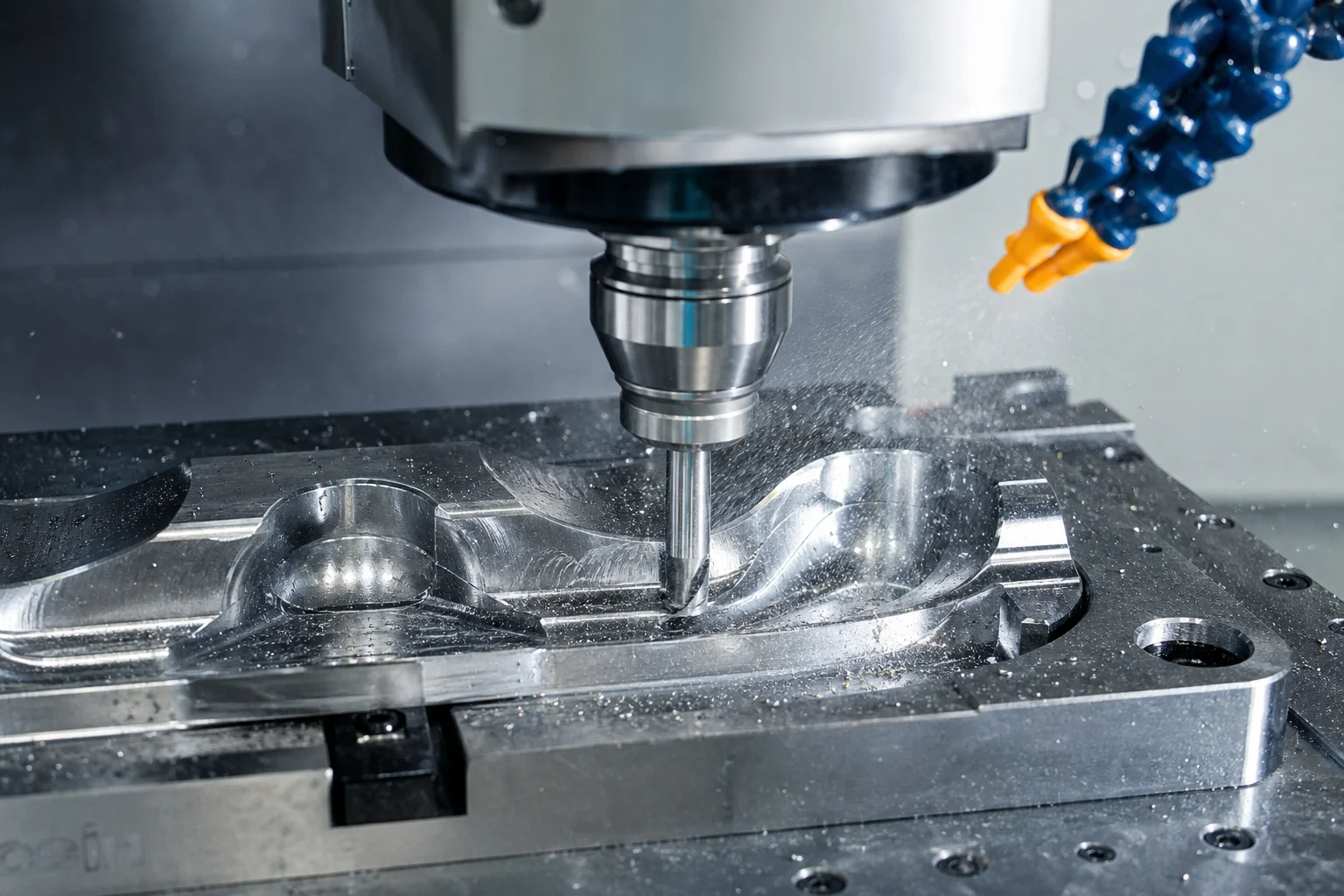
Following vacuum heat treatment, cast tool steel inserts are precision-finished in their hardened state:
- 5-Axis High-Speed CNC Hard Milling: Precision high-speed machining (spindle speeds up to 24,000 RPM) using micro-grain coated carbide and CBN ball-end mills. Profile accuracy is held within .
- Mirror Surface Polishing & Texturing: Manual diamond paste polishing down to (SPI A1/A2 optical finish) or EDM spark texturing (VDI 3400 standard).
- Surface Nitriding / PVD Coating: Optional low-temperature plasma nitriding or PVD CrN / AlCrN coating ( surface layer, thick) to eliminate aluminum die soldering.
6. Comprehensive Quality Inspection Standards
| Quality Parameter | Standard / Specification | Acceptance Criteria |
|---|---|---|
| Hardness & Uniformity | Rockwell Hardness (HRC) per ASTM E18 | (or per print ) across entire block |
| Microstructure & Carbides | Metallography at (ASTM E3) | Ultra-fine tempered martensite with uniformly dispersed spherical carbides; zero grain boundary carbide films |
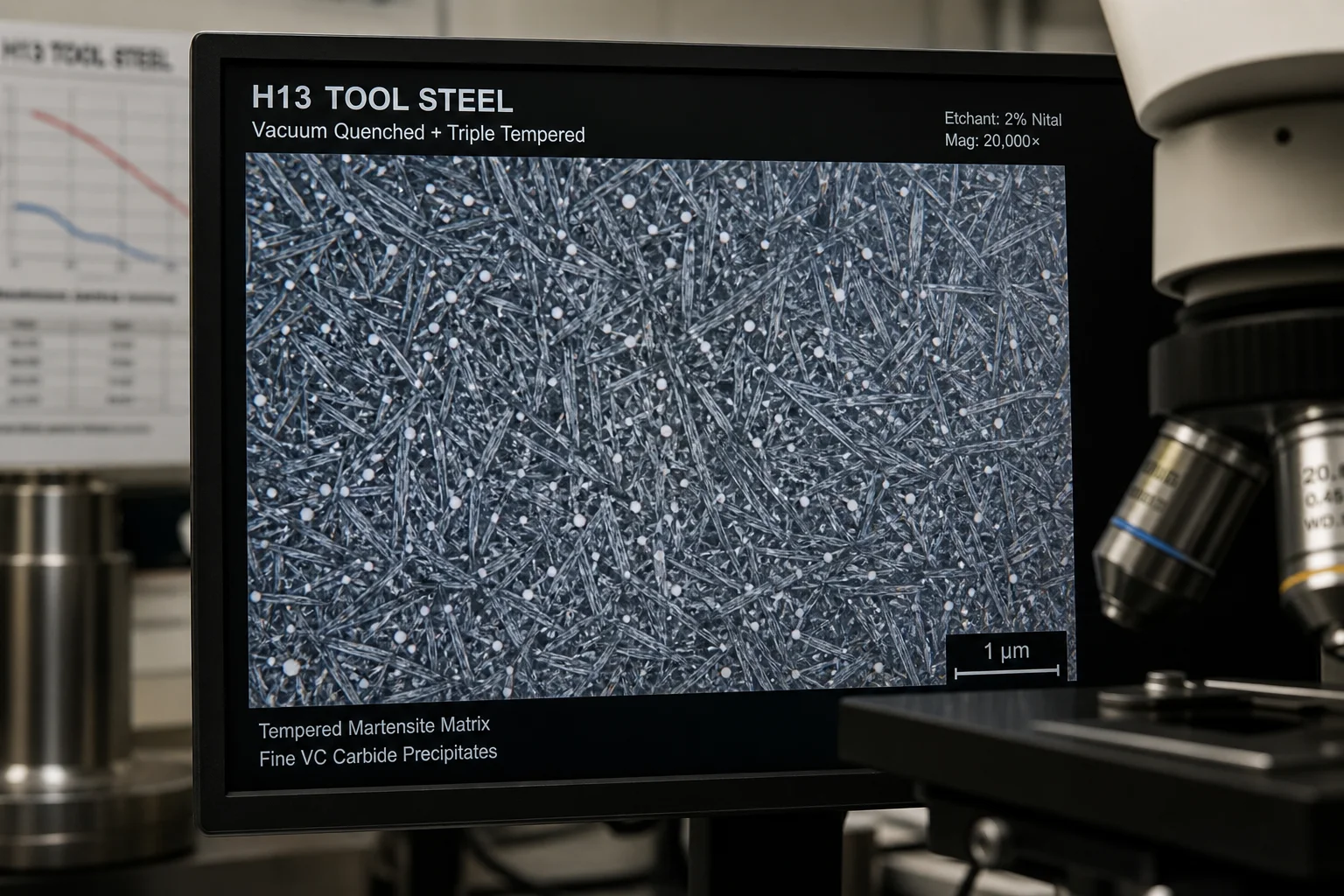 |Volumetric Soundness|Ultrasonic Testing (NADCA #207 / EN 10228-3)| 100% volumetric UT scan; Level 1 zero internal micro-shrinkage | |Cooling Channel Flow Test| Flowmeter & Hydrostatic Pressure Test | Conformal cooling channels hydro-tested atwith zero leakage; verified flow rate | |Dimensional 3D Scan| 3D Optical Scanner / Coordinate Measuring (CMM) | 100% full-surface 3D color-map inspection against CAD models within|
7. Cast Tooling Capabilities at Dandong City Pengxin Machinery Co., Ltd.
Delivering high-performance cast tool steels and mold alloys demands specialized induction melting, precision ceramic shell molding, computer-controlled vacuum heat treatment furnaces, and 5-axis high-speed CNC machining centers.
Dandong City Pengxin Machinery Co., Ltd. delivers fully certified, precision-finished cast tool steel inserts and high-conductivity mold components:
- Material Versatility: Certified casting of Hot-Work Tool Steel (H13 / 1.2344), Beryllium-Copper (C17200), Nickel-Silicon-Bronze (C18000), and custom tool alloys.
- Cast-In Conformal Cooling Technology: Precision ceramic core casting creating smooth curved internal cooling passages that eliminate hot spots.
- In-House Vacuum Heat Treatment: High-vacuum automated heat-treatment furnaces with high-pressure nitrogen quenching delivering distortion-free 46–52 HRC.
- High-Speed 5-Axis CNC Hard Milling: Dedicated high-precision CNC machining centers cutting hardened tool steel up to 55 HRC within .
- Complete Quality Assurance: ISO 9001 certified, providing full EN 10204 3.1 material test certificates, NADCA UT reports, and 3D optical scanning inspection maps.
Conclusion
Precision cast-to-shape hot-work tool steels and high-conductivity copper mold alloys represent the future of cost-effective, high-performance tooling manufacturing. Eliminating extensive rough milling waste while integrating cast-in conformal cooling lines allows die casters and mold makers to shorten cycle times, extend die service lives, and achieve exceptional part surface quality.
Partnering with an experienced, integrated precision tool casting and CNC machining powerhouse ensures that your molds and dies run faster, cooler, and longer.
Contact Dandong City Pengxin Machinery Co., Ltd. to submit your die insert or mold component CAD models for a cast-to-shape engineering review.
Dandong City Pengxin Machinery Co., Ltd. — Heavy Castings and Precision Machining, Since 1958.
Table of Contents
- 1. Thermal Fatigue (Heat Checking) & Mold Degradation Modes
- 2. Cast Tool Steel & High-Conductivity Copper Metallurgy
- 3. Cast-to-Shape Tooling with Cast-In Conformal Cooling Channels
- 4. Multi-Stage Vacuum Heat Treatment for Maximum Thermal Fatigue Life
- 5. High-Speed 5-Axis CNC Hard Machining & 3D Optical Inspection
- 6. Comprehensive Quality Inspection Standards
- 7. Cast Tooling Capabilities at Dandong City Pengxin Machinery Co., Ltd.
- Conclusion