1.Introduction
For any diesel engine—whether in a heavy‑duty truck, a marine vessel, or off‑road equipment—the turbocharger is the key to unlocking performance and fuel efficiency. The global diesel turbocharger market is projected to grow from USD 5.61 billion in 2025 to USD 8.73 billion by 2032, driven by stricter emissions regulations and the demand for fuel‑efficient powertrains. But with so many options—varying in A/R ratio, bearing type, materials, and size—how do you choose the right one? This guide walks you through the fundamentals, material science, selection criteria, and future trends to help you make an informed buying decision.
2.Core Definition & Working Principle
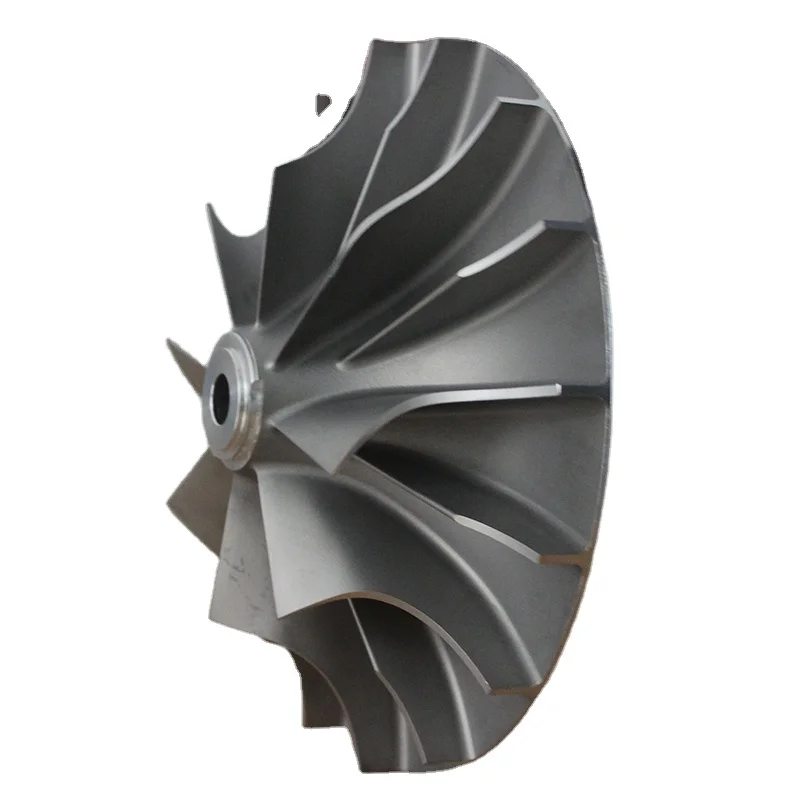
A turbocharger is an exhaust‑driven forced‑induction device. It consists of a turbine wheel and a compressor wheel mounted on a common forged steel shaft. Exhaust gases spin the turbine wheel at speeds exceeding 260,000 RPM, which drives the compressor wheel to draw in, compress, and force dense air into the engine’s cylinders. More oxygen means more fuel can be burned per cycle, resulting in higher power output without increasing engine displacement. A properly matched turbocharger balances low‑end responsiveness (minimising turbo lag) with high‑end airflow capacity, ensuring seamless power delivery across the engine’s operating range.
3.Manufacturing Processes & Material Science
Turbochargers operate under extreme conditions: turbine inlet temperatures often exceed 1000°C and rotational speeds surpass 260,000 RPM. Therefore, material selection and casting methods are critical to durability and performance.
Key materials:
• Turbine wheel – Typically cast from nickel‑based superalloys (e.g. Inconel 713C, service temp ~950°C) or cobalt‑based alloys (~1100°C). Titanium‑aluminide alloys are also used for lighter, faster spool‑up.
• Turbine housing – Investment‑cast from austenitic stainless steel or high‑silicon‑molybdenum ductile iron for high‑temperature strength.
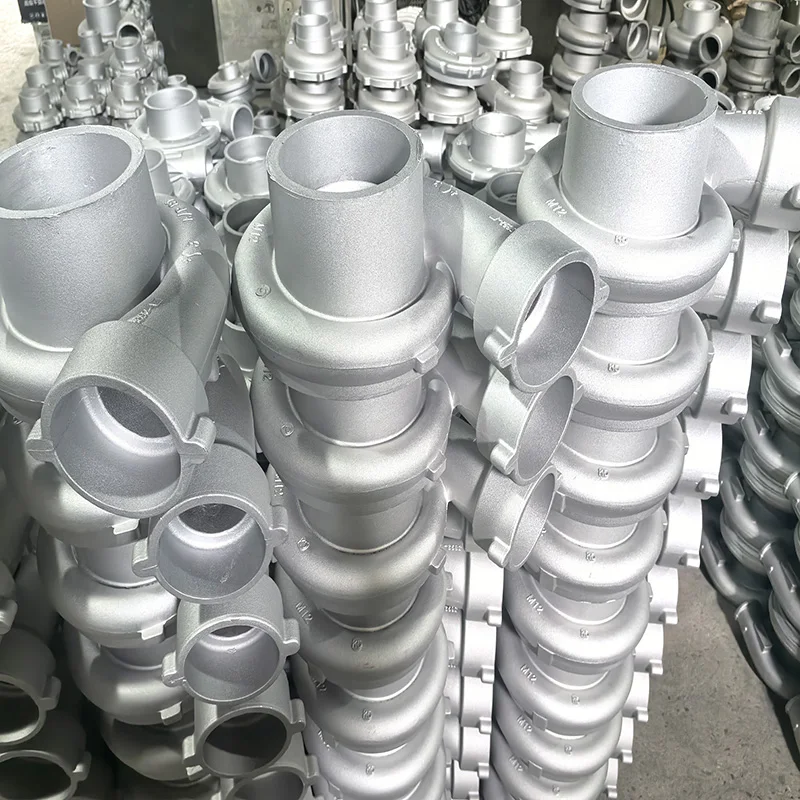
• Compressor housing – A356‑T6 aluminum alloy (T6 heat treated) for lightweight durability. Casting methods: • Investment casting – Produces complex‑geometry turbine housings with fine detail and superior surface finish.
• Gravity permanent mold casting – Used for compressor housings, offering low porosity and high mechanical strength.
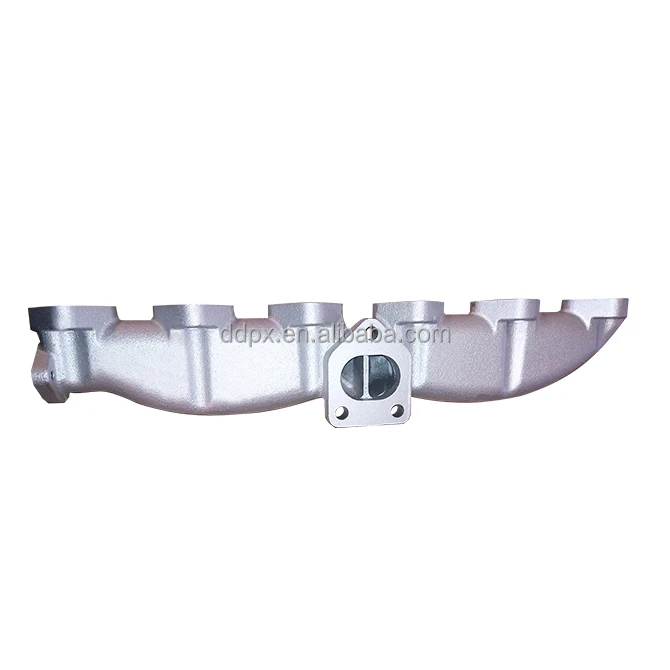
• Shell casting – Allows one‑piece exhaust manifolds >70 cm long, eliminating leak‑prone multi‑section joints. Reliable suppliers provide full traceability: spectrochemical analysis, X‑ray/ultrasonic inspection, CMM dimensional verification, and pressure testing. Application Outlook & Market Trends Despite global electrification, diesel engines remain dominant in heavy‑duty trucks, off‑highway machinery, marine propulsion, and stationary power generation. Several technology trends are reshaping turbocharging:
• Variable Geometry Turbochargers (VGTs) – Adjust turbine vane angles to optimise boost across load conditions, delivering both low‑end torque and high‑end power.
• Two‑stage turbocharging – Achieves pressure ratios >12:1 and turbocharging efficiency >75%.
• Ball‑bearing cartridges – Provide ~25% faster spool‑up compared to traditional journal bearings. Stringent emissions standards (Euro VII, EPA) further drive demand for high‑precision, durable turbo components that reduce particulates and NOx while maintaining fuel economy.
4.How to Select the Right Turbocharger – Key Decision Factors
5.Dandong Pengxin Machinery – Your Turbocharger Component Partner
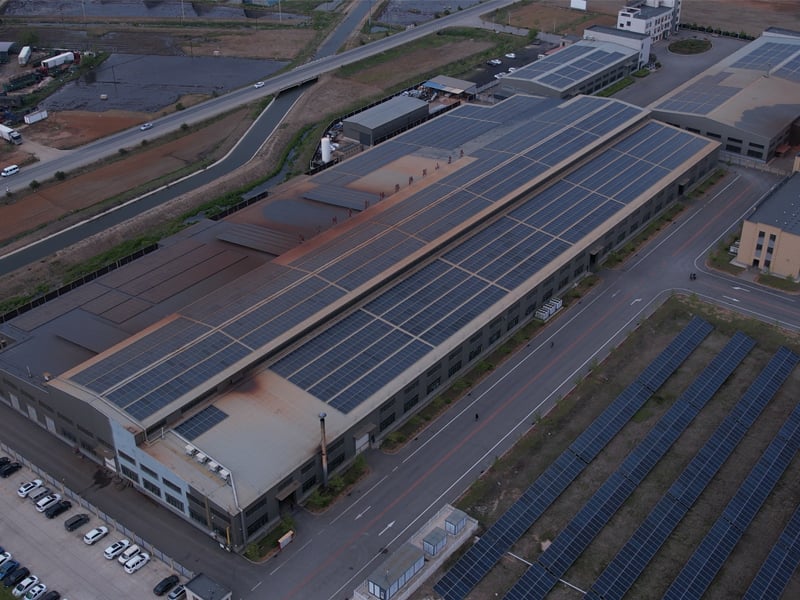
With 68 years of cumulative production experience, Dandong Pengxin Machinery Co., Ltd. is a Tier‑1 supplier specialising in precision castings for turbochargers and exhaust systems. The company offers integrated manufacturing from raw material sourcing to finished components.
Casting capabilities:
• Investment casting for high‑temperature stainless steel and heat‑resistant alloy turbine housings.
• Shell casting for one‑piece exhaust manifolds >70 cm.
• Gravity permanent mold casting for compressor housings with T6 heat treatment.
Material portfolio:
Stainless steel (304, 316), medium‑/high‑silicon‑molybdenum ductile iron, A356‑T6 aluminum, gray/ductile iron for cost‑sensitive applications. European and American customers favour medium‑silicon‑molybdenum ductile iron for optimal turbo matching.
Quality assurance:
100% X‑ray/ultrasonic inspection, CMM measurement (±0.02 mm), helium leak testing (<0.5 cc/min), IATF 16949 certification, PPAP Level 3 documentation, and laser‑marked batch traceability.
Production & service:
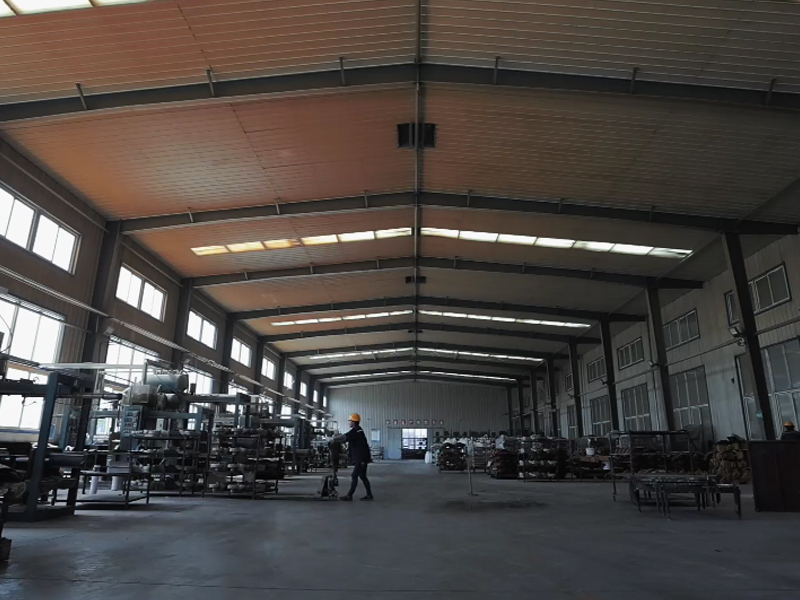
Annual capacity 500–5,000 tons, flexible from prototyping to mass production. Customers provide drawings or samples; engineers perform reverse engineering via 3D scanning and redesign for castability. Tilt‑pour systems from HWS Germany and Mazak 5‑axis CNC machining ensure dimensional precision down to ±0.15 mm.
From design‑for‑manufacturing analysis to competitive pricing and closed‑loop aluminum recycling, Dandong Pengxin delivers the quality and reliability that global turbocharger OEMs and aftermarket distributors demand. Contact Dandong Pengxin Machinery Co., Ltd. today to discuss your turbocharger component requirements. Whether you need production‑ready castings or engineering collaboration for a new design, their team is ready to support your diesel engine applications.
 Hot News
2026-10-16
2026-10-09
2026-10-02
2026-09-25
2026-09-18
2026-09-11

Dandong City Pengxin Machinery was founded in 1958, is a set of casting, machining and assembly as one of the private enterprises.
Wangjiapu Group, Xinan Village, Qianyang Town, Donggang City, Dandong City, Liaoning Province, China
Copyright © Dandong City Pengxin Machinery Co.,Ltd. All Rights Reserved Privacy Policy Blog
 EN
EN