Meta Description: A complete engineering guide to refiner disc segment castings for pulp, paper, MDF, and biomass thermo-mechanical pulping (TMP). Learn alloy metallurgy (modified high-carbon martensitic stainless steel ~AISI 440C mod / DIN 1.4125), bar-and-groove precision tooling, heat treatment to 56-62 HRC, and dynamic balancing.
In thermo-mechanical pulping (TMP), chemical-thermo-mechanical pulping (CTMP), medium-density fiberboard (MDF) manufacturing, and biomass refining, refiner disc segments operate at the thermodynamic epicenter of fiber processing. Operating inside pressurized refiner housings at rotational speeds up to 1,800 RPM and peripheral tip velocities exceeding 200 m/s, opposing stator and rotor refiner plates are separated by an intense fiber-slurry gap of only .
Under these violent conditions, refiner plates endure a severe combination of high-velocity abrasive fiber sliding, intense cyclic shear forces, cavitation shock waves, corrosive steam chemistry (), and extreme thermal cycling ().
If a casting suffers from bar rounding, micro-spalling, or plate warping, the refiner’s specific energy consumption (SEC) escalates drastically, causing fiber cutting, pulp freeness loss, and premature machine shutdown.
This engineering guide provides an exhaustive analysis of refiner segment metallurgy, bar-and-groove tooling precision, vacuum/induction melting protocols, heat treatment for edge retention (56–62 HRC), CNC back-face machining, and dynamic balancing procedures.
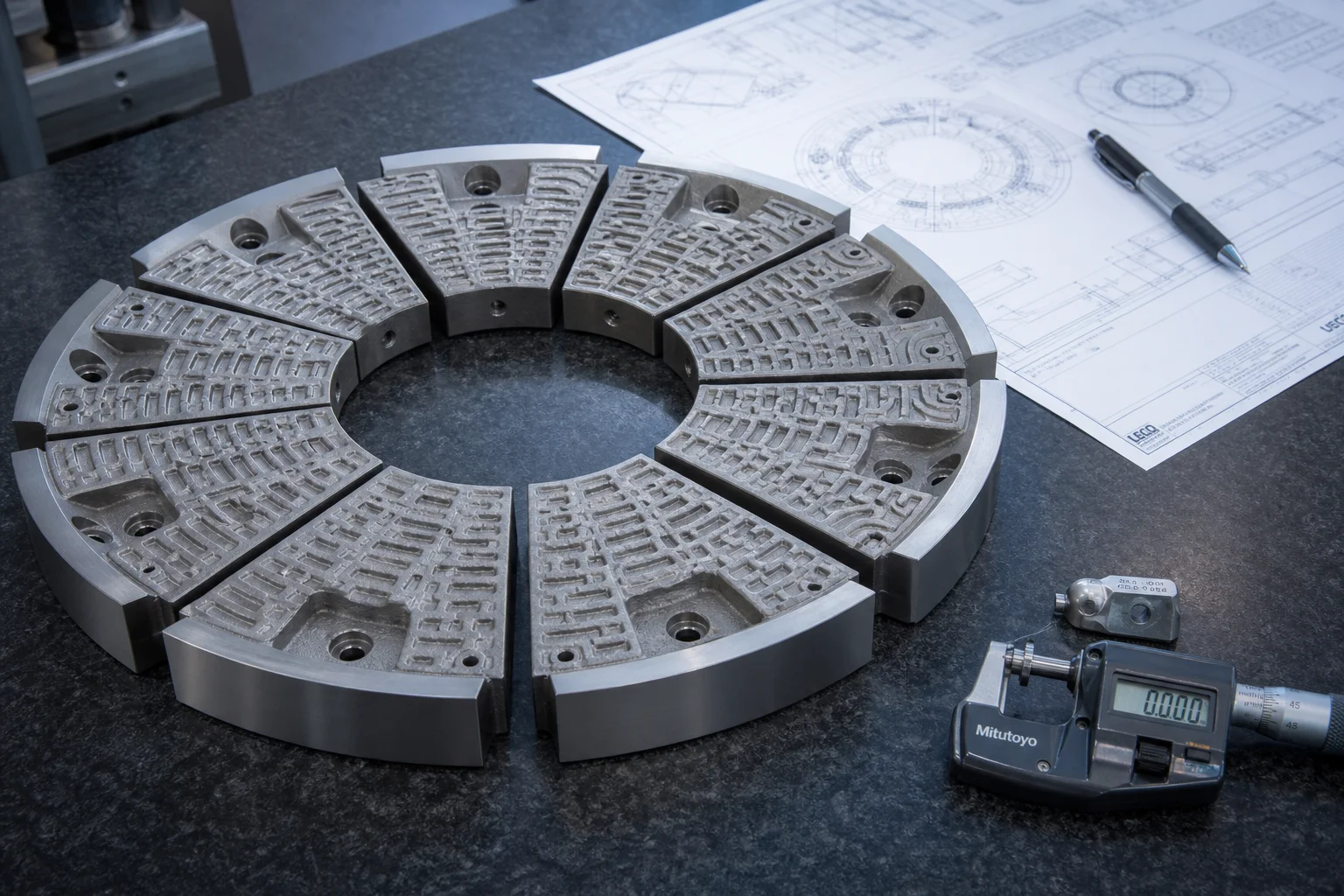
Refiner segments must maintain crisp, razor-sharp bar edges throughout hundreds of operating hours under continuous three-body abrasive and cavitation attack:
                     ┌──────────────────────────────────────────────┐
                     │ High-Pressure Steam & Slurry (130 °C - 180 °C)│
                     └──────────────────────┬───────────────────────┘
                                            │
        ┌───────────────────────────────────┼───────────────────────────────────┐
        ▼                                   ▼                                   ▼
┌───────────────────────────────┐ ┌───────────────────────────────┐ ┌───────────────────────────────┐
│ High-Shear Fiber Abrasion     │ │ Cavitation Pitting Shock      │ │ Plate Warping & Parallelism   │
│ (Wood lignin, silica sand,    │ │ (Vapor collapse in            │ │ (Loss of micron-level gap     │
│  ash particles rounding bars) │ │  sub-millimeter bar channels) │ │  uniformity across disc)      │
└───────────────────────────────┘ └───────────────────────────────┘ └───────────────────────────────┘To survive this multi-factor wear environment, foundries deploy specialized High-Carbon Modified Martensitic Stainless Steels with targeted nickel, molybdenum, and vanadium additions:
| Alloy Family | Typical Standard / Industry Grade | Chemical Composition (wt%) | Hardness Range | Key Metallurgical Attribute | Typical Service Application |
|---|---|---|---|---|---|
| Standard Martensitic Stainless | CA-15 / CA-40 (ASTM A743) / 1.4006 | 42 – 48 HRC | Basic corrosion resistance; lower wear life | Low-consistency paper recycling (OCC) | |
| High-Carbon Martensitic Stainless | AISI 440C Mod / DIN 1.4125 / GX105CrMo17 | 56 – 60 HRC | High volume of primary carbides; excellent edge retention | Hardwood/softwood TMP, MDF fiberboards | |
| Nickel-Modified High-Carbon Steel | Sunds / Voith Spec Mod | 58 – 62 HRC | Nickel addition () enhances impact toughness and prevents bar breakage | High-speed, high-consistency TMP pressurized refiners | |
| High-Chromium White Iron (Cr26) | ASTM A532 Class III | 60 – 65 HRC | Extreme abrasion resistance; lower impact toughness | Non-pressurized secondary refiners, straw/biomass |
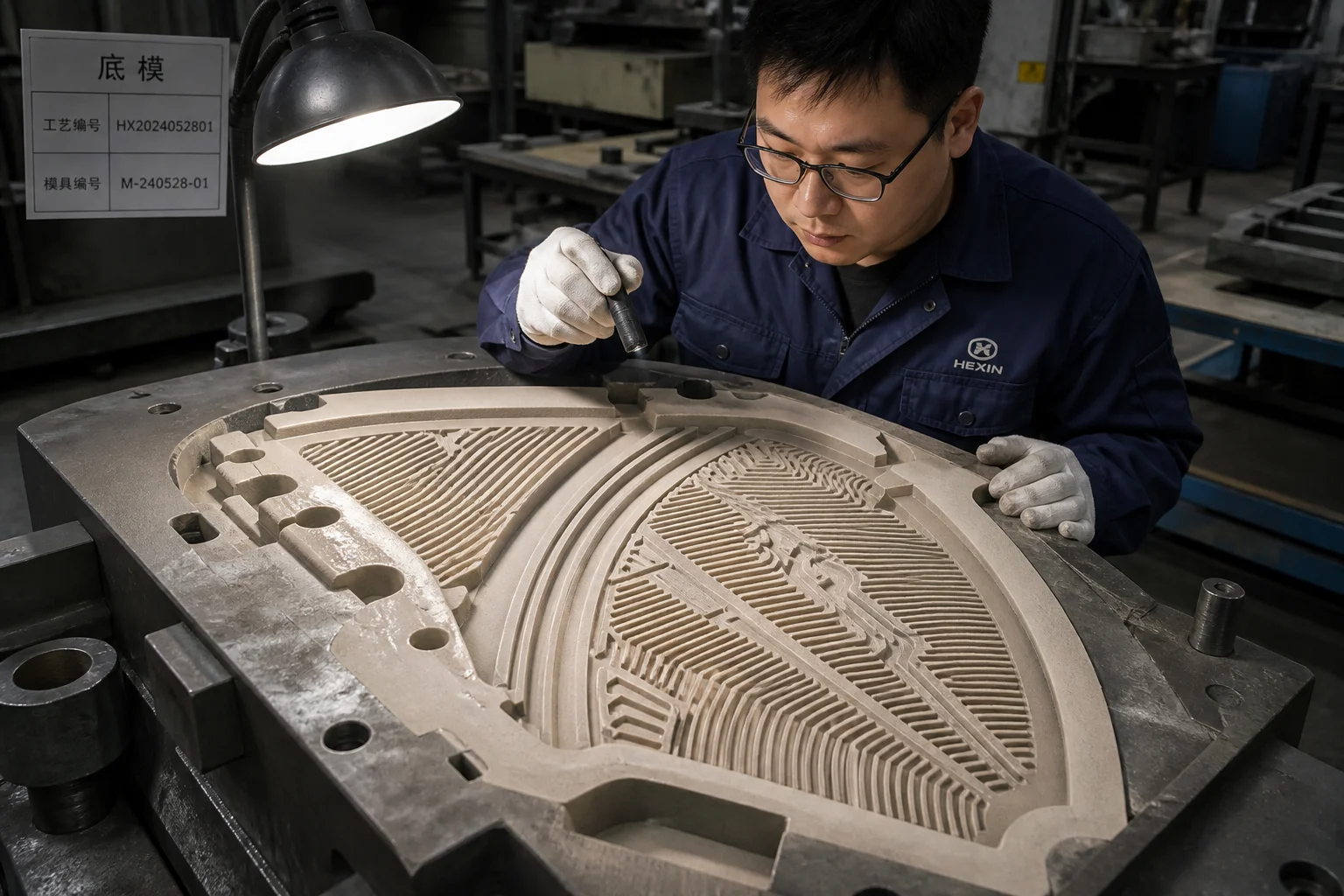
Refiner disc segments feature complex micro-hydraulic topologies: hundreds of radial or angled bars with widths down to , groove depths of , subsurface steam dams, and variable draft angles.
┌────────────────────────────────────────────────────────────────────────┐
│ 1. 3D Precision Master Tooling & Aluminum Core Boxes                   │
│    • High-speed CNC micro-machined tooling with sub-micron cutter radii│
├────────────────────────────────────────────────────────────────────────┤
│ 2. Automated Fine-Grain Ceramic / Silica Shell Molding                 │
│    • Ultra-fine zircon/silica refractory facing delivers Ra 1.6–3.2 µm │
│    • Prevents sand grain burn-in within 1.0 mm bar grooves             │
├────────────────────────────────────────────────────────────────────────┤
│ 3. Inert Induction Melting with Deoxidation Protocol                   │
│    • Strict control of trace elements; zero macro-inclusions in bars   │
├────────────────────────────────────────────────────────────────────────┤
│ 4. Directional Bottom Gating with Ceramic Filters                      │
│    • Clean, laminar metal fill across thin bar teeth without cold shuts│
└────────────────────────────────────────────────────────────────────────┘To achieve the optimal balance of wear hardness and impact toughness, high-carbon martensitic stainless steel segments undergo a dedicated multi-stage heat treatment:
As-Cast State: Coarse Austenite + Eutectic Carbides
                   │
                   ▼
┌────────────────────────────────────────────────────────┐
│ Austenitizing: 1,020 °C – 1,060 °C (Vacuum/Inert Gas) │
│ (Fully dissolves secondary carbides into solid matrix) │
└──────────────────┬─────────────────────────────────────┘
                   │
                   ▼  Forced Gas / Warm Oil Quench
┌────────────────────────────────────────────────────────┐
│ Quench to Form High-Hardness Tetragonal Martensite     │
│ (As-quenched hardness reaches 62–64 HRC)               │
└──────────────────┬─────────────────────────────────────┘
                   │
                   ▼
┌────────────────────────────────────────────────────────┐
│ Sub-Zero Cryogenic Treatment (-70 °C to -80 °C)        │
│ (Transforms retained austenite to prevent distortion)  │
└──────────────────┬─────────────────────────────────────┘
                   │
                   ▼
┌────────────────────────────────────────────────────────┐
│ Precision Double Tempering (220 °C – 280 °C)           │
│ (Relieves quenching stress; locks in 58–62 HRC)        │
└────────────────────────────────────────────────────────┘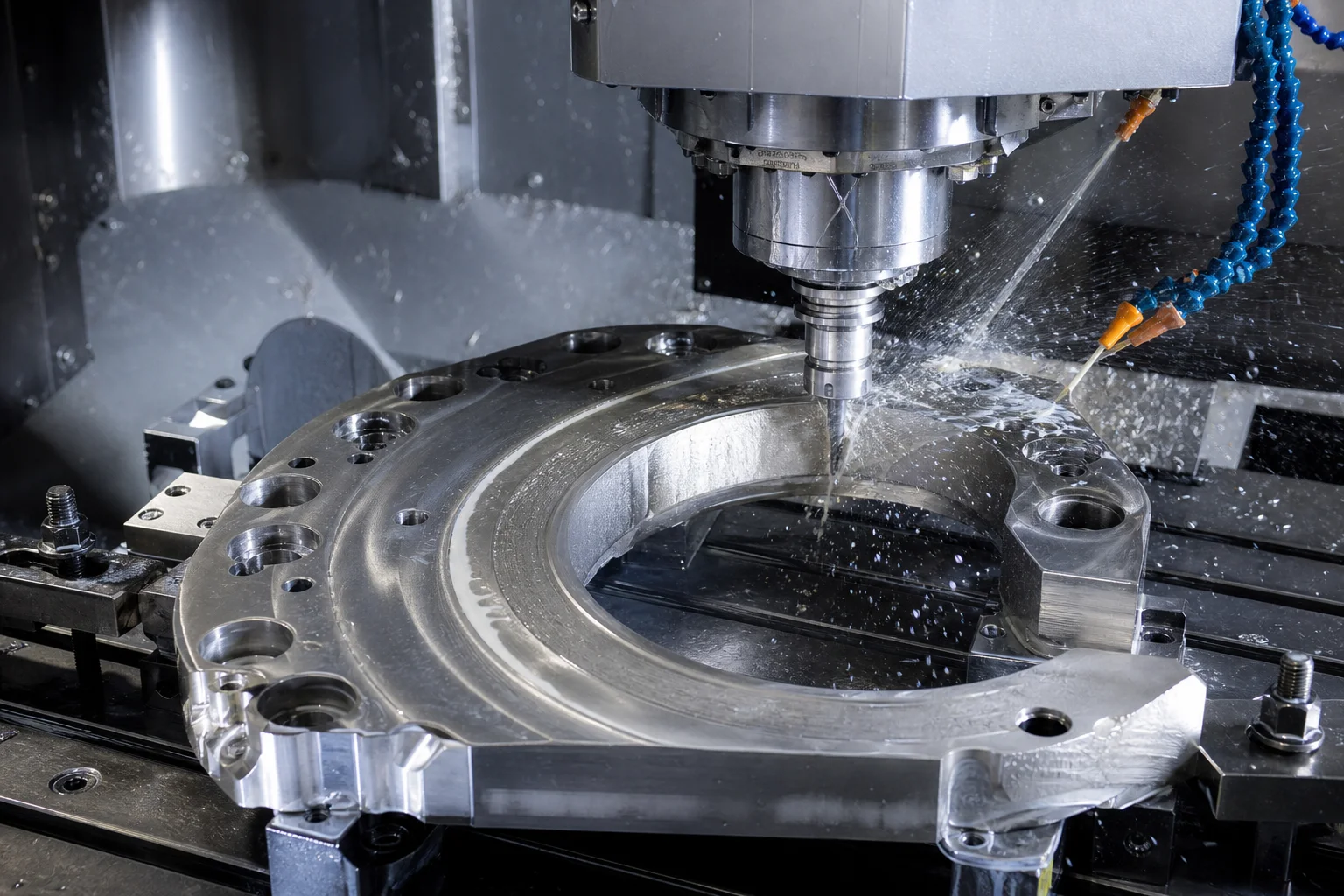
While the working bar pattern is cast to net or near-net shape, the back mounting face, bolt counterbores, and outer/inner locating diameters must be precision-machined to ensure absolute coplanarity across the assembled refiner disc.
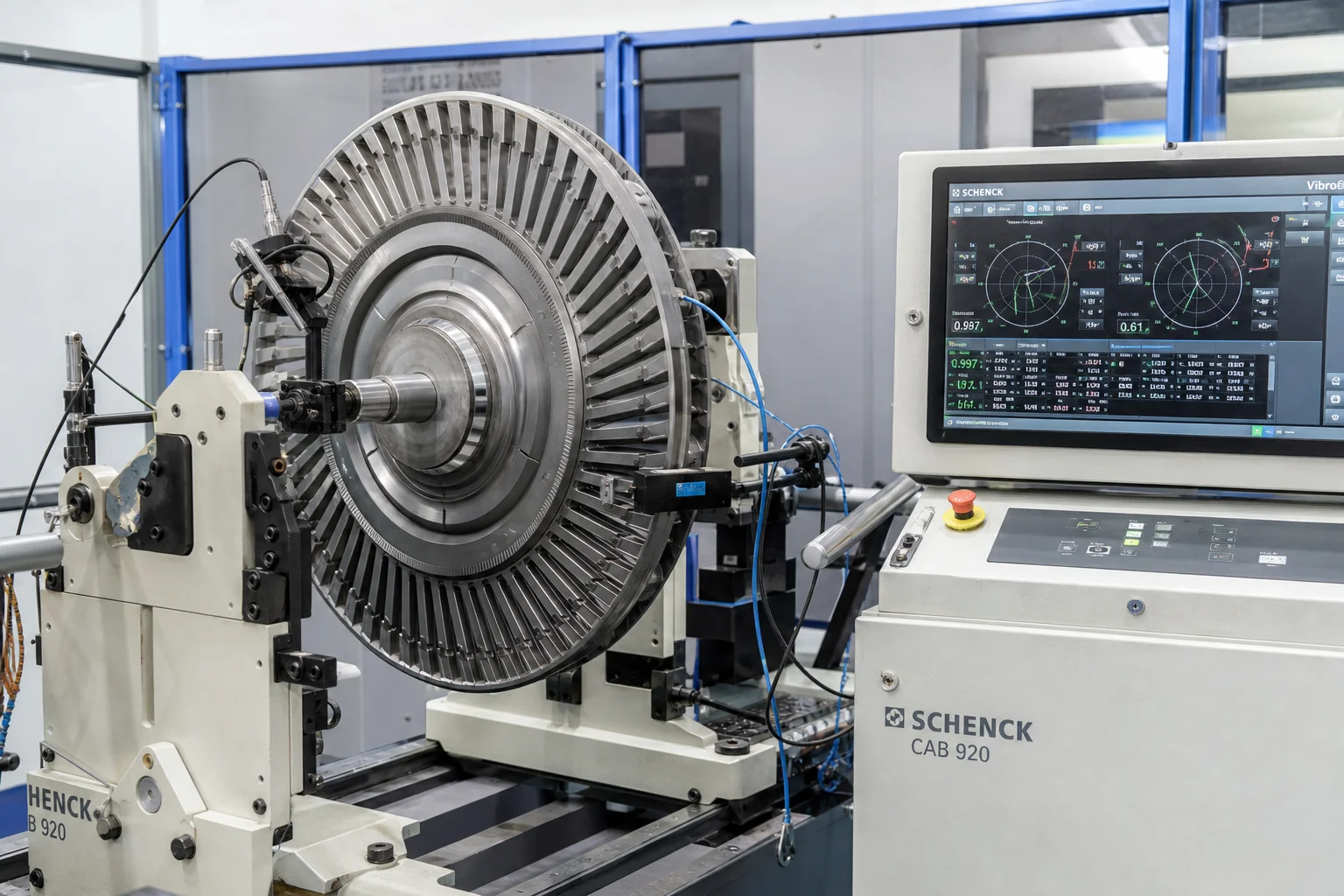
Refiner discs operate at extreme tip speeds. An assembly weight imbalance of just a few grams creates catastrophic bearing vibration:
       ┌───────────────────────────────────────────────────────┐
       │ Set Matching & Weight Grading (± 5 Grams per Segment) │
       └──────────────────────────┬────────────────────────────┘
                                  │
       ┌──────────────────────────┴───────────────────────────┐
       ▼                                                      ▼
┌───────────────────────────────┐              ┌───────────────────────────────┐
│ Full 360° Circular Pre-Assembly│              │ High-Speed Dynamic Balancing  │
│ • Segment joint gap check     │              │ • Assembled refiner disc spun │
│ • Radial runout $\le 0.05\text{ mm}$│          │ • Balance Grade ISO G1.0/G2.5 │
│ • Face taper & height scan    │              │ • Zero operational vibration  │
└───────────────────────────────┘ └───────────────────────────────┘| Quality Inspection Parameter | Test Method / Standard | Acceptance Criteria |
|---|---|---|
| Chemical Analysis | Optical Emission Spectrometry (OES) | Strict compliance with C (), Cr (), Ni (), Mo () |
| Hardness Verification | Rockwell Hardness (HRC) per ASTM E18 | uniformly across all bar sections |
| Microstructure & Carbides | Metallography at (ASTM E3 / E407) | Fine, uniformly dispersed carbides in tempered martensite; zero continuous grain-boundary network |
| Bar Geometry & CMM Scan | 3D Optical CMM Scanner | Bar width, groove depth, and draft angles within of CAD profile |
| Magnetic Particle Testing | Fluorescent MT per ASTM E1444 | 100% surface inspection; zero crack indications on bar bases or bolt pockets |
| Weight Consistency | Precision Digital Scale | Weight matched in complete circle sets within |
Manufacturing high-precision refiner plates requires an elite combination of high-alloy melting control, micro-detail casting fidelity, specialized heat treatment, and precision grinding.
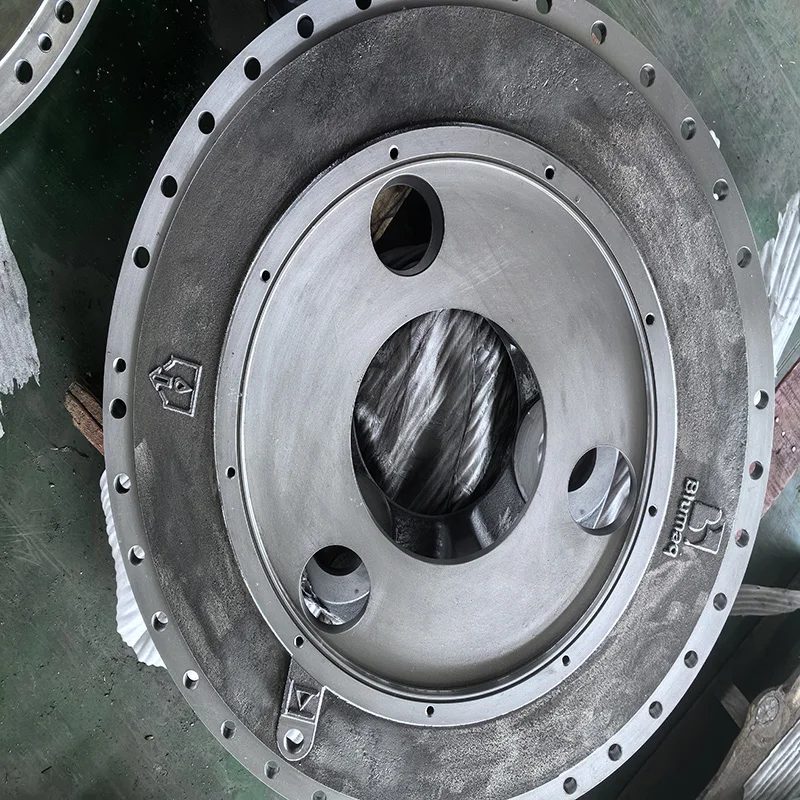
Dandong City Pengxin Machinery Co., Ltd. delivers high-performance, custom-engineered refiner disc segment castings for leading pulp, paper, and MDF operations worldwide:
- Specialized Alloy Portfolio: Certified production of high-carbon martensitic stainless steels (AISI 440C Mod, DIN 1.4125), nickel-modified TMP alloys, and high-chromium white irons (ASTM A532).
- Micro-Bar Casting Fidelity: High-precision shell molding and investment tooling delivering crisp, defect-free bar leading edges down to 1.2 mm bar widths.
- In-House Vacuum & Cryogenic Heat Treatment: Computer-controlled austenitizing and sub-zero cryogenic processing locking in 58–62 HRC without distortion.
- Precision CNC Finishing & Set Balancing: Dedicated CNC surface grinding, edge milling, and dynamic weight balancing delivering ready-to-mount matched circle sets.
- Complete Traceability: Full EN 10204 3.1 material certificates, CMM dimensional scans, hardness logs, and set weight balancing sheets with every shipment.
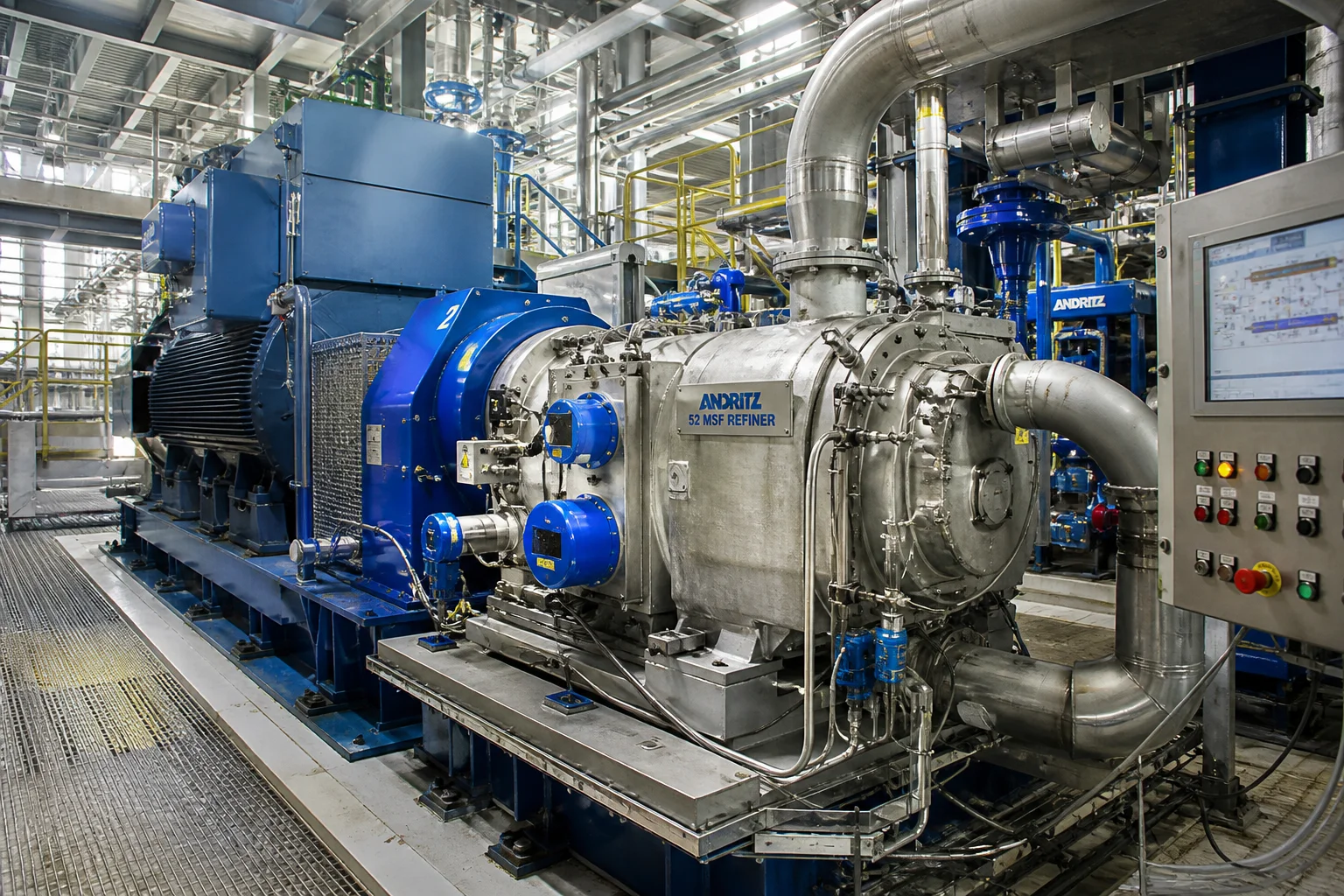
Refiner disc segments represent one of the most demanding intersections of wear metallurgy, micro-channel fluid dynamics, and precision mechanical assembly in the process industries. Achieving maximum pulp quality and energy efficiency requires zero compromise in alloy chemistry, bar edge sharpness, heat treatment hardness, and dynamic balance.
Partnering with an experienced, integrated casting and precision machining facility ensures that your refiner plates run smoother, last longer, and cut energy costs per ton of fiber.
Contact Dandong City Pengxin Machinery Co., Ltd. to submit your refiner plate drawings or request custom pattern optimization.
Dandong City Pengxin Machinery Co., Ltd. — Heavy Castings and Precision Machining, Since 1958.
 Hot News
2026-10-16
2026-10-09
2026-10-02
2026-09-25
2026-09-18
2026-09-11

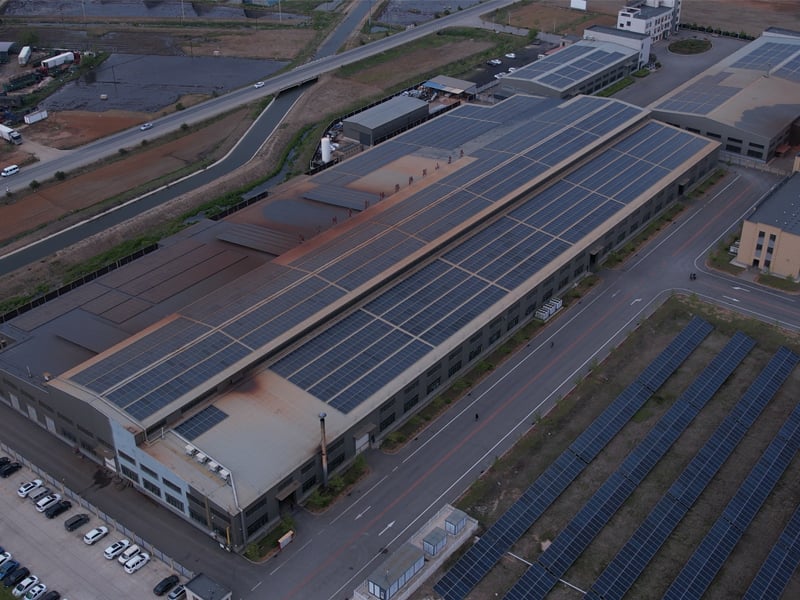
Dandong City Pengxin Machinery was founded in 1958, is a set of casting, machining and assembly as one of the private enterprises.
Wangjiapu Group, Xinan Village, Qianyang Town, Donggang City, Dandong City, Liaoning Province, China
Copyright © Dandong City Pengxin Machinery Co.,Ltd. All Rights Reserved Privacy Policy Blog
 EN
EN