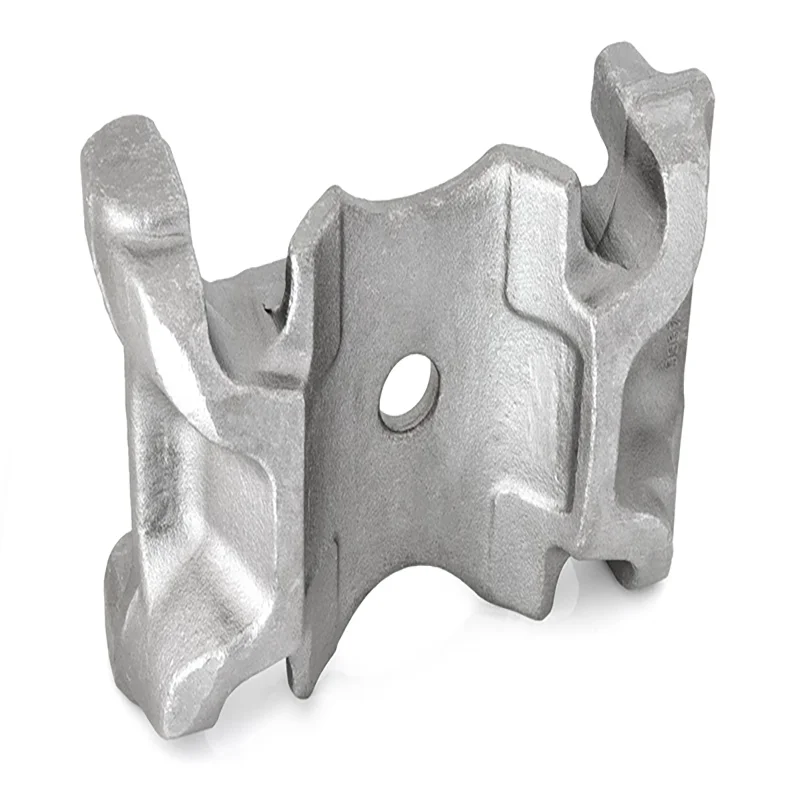
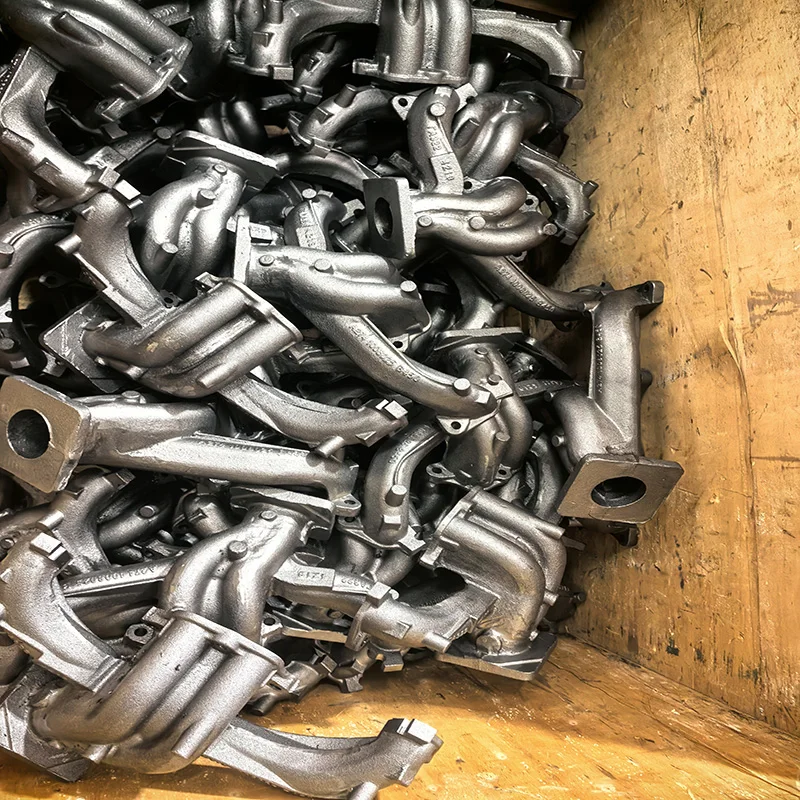
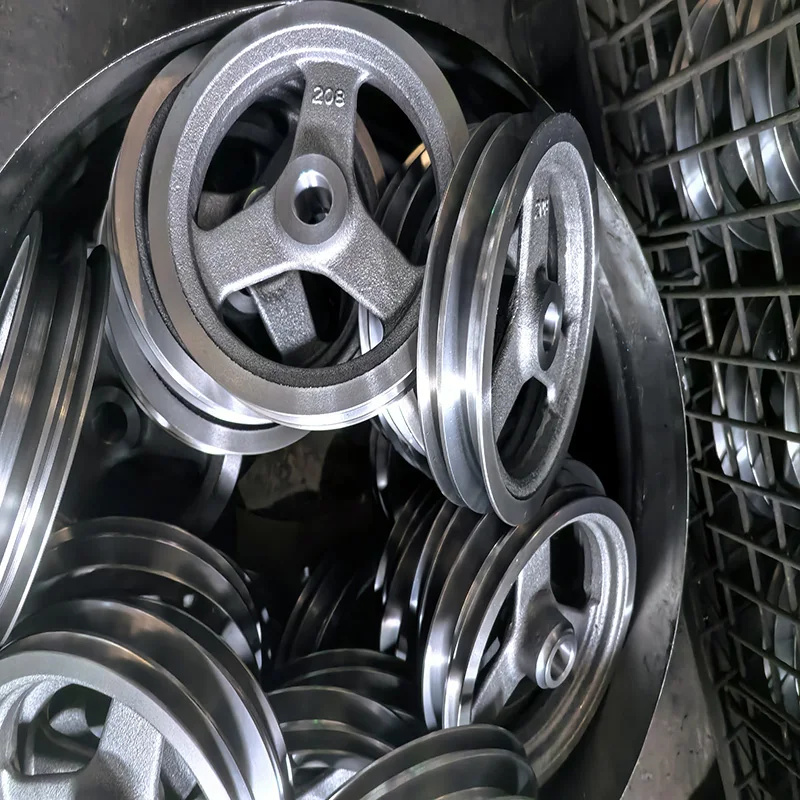
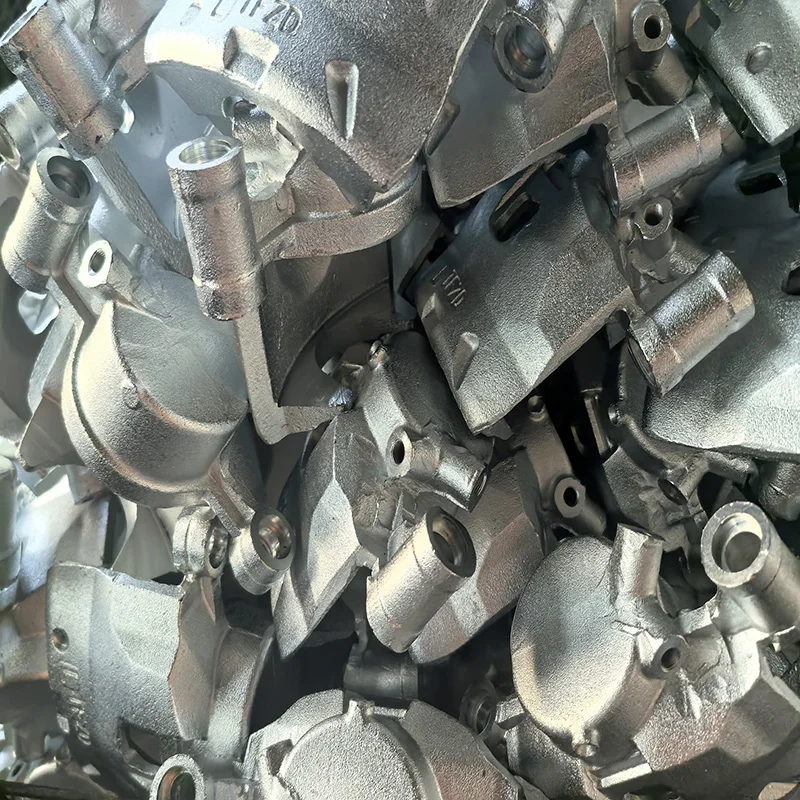
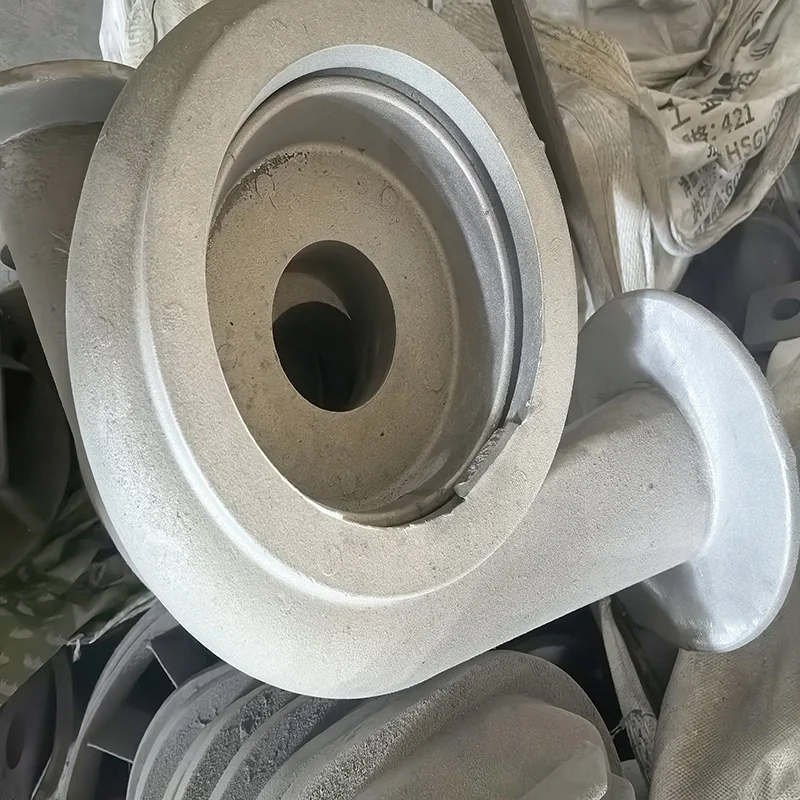
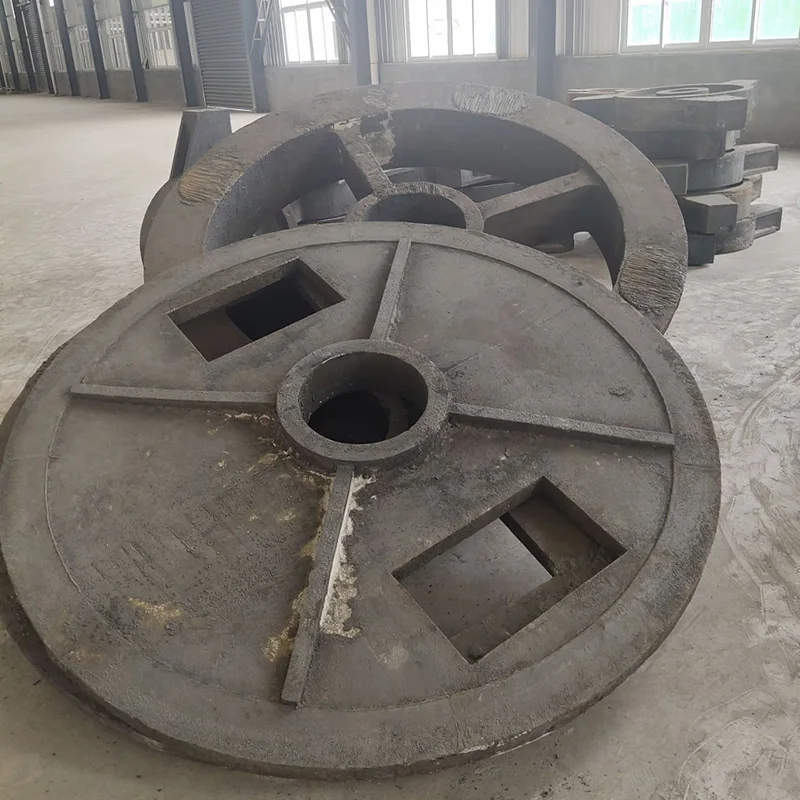
Metal casting is a fundamental manufacturing process that has shaped human civilization for millennia. It involves pouring molten metal into a mold, where it cools and solidifies to form a specific shape. This technique is the backbone of the modern machinery manufacturing industry, producing components ranging from automotive engine blocks to intricate artistic sculptures.
The versatility of casting lies in its ability to create complex geometries that are difficult or uneconomical to achieve through other methods like forging or welding. Whether in residential applications or heavy industrial fields, metal castings are ubiquitous.
The origins of metal casting date back to ancient times. The world's oldest surviving iron casting, the "Cast Jin Ding," was discovered in China and dates back to 513 BC. This artifact, weighing approximately 270 kg, demonstrates that the fundamentals of ferrous metallurgy were understood over 2,500 years ago.
In Europe, the production of cast iron began around the 8th century AD. The adoption of cast iron significantly expanded the application of metal products. Between the 15th and 17th centuries, countries like Germany and France began laying cast iron pipes to deliver drinking water to residents, showcasing the material's utility in infrastructure.
The Industrial Revolution in the 18th century marked a turning point. With the rapid development of steam engines, textile machinery, and railways, the demand for durable, mass-producible iron components surged. This era transitioned casting from an artisanal craft to a critical industrial service.
The 20th century witnessed unprecedented advancements in casting technology. Two primary factors drove this rapid development:
Demand for High-Performance Materials: New technologies required castings with superior mechanical and physical properties, while still maintaining good machinability.
Cross-Industry Innovation: Growth in the chemical, instrumentation, and mechanical industries created favorable conditions for foundry innovation. The invention of the electron microscope, for example, allowed metallurgists to explore the microscopic world of metals, leading to a deeper understanding of crystal structures and material behavior.
This period saw the invention and refinement of superior alloys, including:
Ductile iron
Malleable cast iron
Low-carbon stainless steel
Advanced aluminum, copper, and magnesium alloys
High-performance titanium-based and nickel-based superalloys
Furthermore, new processes like the inoculation of gray cast iron dramatically improved material properties, giving metal castings a wider adaptability than ever before.
Today, casting is generally divided into two main categories: ordinary casting and special casting.
This traditional method remains widely used and includes:
Green Sand Molding: Using a mixture of sand, clay, and water.
Dry Sand Molding: Using baked molds for greater strength.
Chemically Bonded Sand: Using resins or binders that harden at room temperature.
Special casting utilizes different mold materials to achieve higher precision or specific properties:
Mineral Material Molds: This category uses natural or synthetic sands and ceramics. Examples include investment casting (lost-wax), shell molding, ceramic molding, and vacuum casting.
Metal Molds: This category uses permanent dies made of metal. Key processes include die casting, centrifugal casting, continuous casting, and low-pressure casting.
Regardless of the method used, the casting process can be broken down into three fundamental stages:
Preparation of Metal (The Alloy): The metal is prepared as a specific alloy (cast iron, cast steel, or non-ferrous alloys) to achieve desired mechanical properties.
Preparation of the Mold: The mold is created to form the external shape of the casting. Cores may be used to create internal cavities.
Feeding and Cleaning: After the metal solidifies, the casting is removed from the mold. This is followed by a clean-up process to remove gates, risers, and burrs using equipment like shot blasting machines and cutting tools. Some castings then undergo post-casting processing such as heat treatment, surface anti-rust treatment, or rough machining.
Casting is often the most economical method for creating rough shapes, particularly for complex parts where its cost-effectiveness is most evident.
Key applications include:
Automotive: Engine blocks and cylinder heads.
Marine: Ship propellers.
Aerospace: Nickel-based alloy gas turbine parts, which are difficult to machine by any other method.
Art and Architecture: Intricate sculptures and decorative hardware.
The process offers unique advantages: it is suitable for an almost unlimited range of metal types and part sizes. Castings also provide excellent wear resistance, corrosion resistance, and vibration damping—properties that are sometimes unattainable through forging, rolling, or welding.
The foundry industry continues to evolve. Current trends demand castings with:
Higher overall performance and precision.
Lower weight and smoother surface finishes.
Greater energy efficiency and environmental sustainability.
To meet these demands, the industry is focusing on developing new alloys, refining metallurgical processes, and introducing automation. Robotics and computer-aided design and manufacturing (CAD/CAM) are becoming increasingly prevalent in production and management.
With continuous improvements in electronic testing and quality control, foundry engineers are gaining deeper insights into metal crystallization, leading to enhanced internal quality. As a result, metal castings are poised for even greater development and wider application in the future.
 Hot News
2026-10-16
2026-10-09
2026-10-02
2026-09-25
2026-09-18
2026-09-11

Dandong City Pengxin Machinery was founded in 1958, is a set of casting, machining and assembly as one of the private enterprises.
Wangjiapu Group, Xinan Village, Qianyang Town, Donggang City, Dandong City, Liaoning Province, China
Copyright © Dandong City Pengxin Machinery Co.,Ltd. All Rights Reserved Privacy Policy Blog
 EN
EN