
 EN
EN
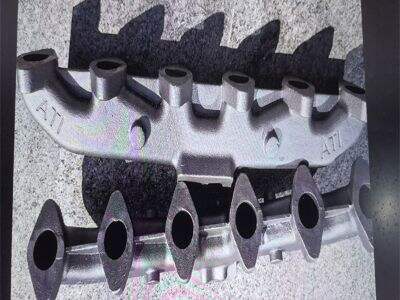
The car exhaust manifold is a critical part of an engine’s system. It gathers up exhaust gases from your engine's cylinders and routes them through the vehicle's tail outlet. This is used to get rid of the toxic gases from the engine and this helps in better running of car. By having a sense of where the exhaust manifold is in your car, you have some kind of information about your vehicle that can be useful. To help you out and guide you as much as we can, here, we’ll dive into what it is an exhaust manifold even does and where to find it in your car. Here at Pengxin, we think that it is important for us all to know a little bit about our car care.
What is an Exhaust Manifold and where is it Located?
The exhaust manifold is a metallic part that is bolted to the engine. It’s typically constructed from cast iron or stainless steel, materials that can withstand lots of heat. Its primary purpose is to collect exhaust gases from the cylinders of an engine. An engine, when running burns fuel and as a byproduct creates exhaust gases. This stainless exhaust manifold gathers the gases of several cylinders into one pipe, which then discharges it into the exhaust system. This is crucial for the engine to function well and lower emissions.
The exhaust manifold is connected to the engine block, commonly near the top or side of the engine. It tends to be close by the intake manifold, which supplies fresh air to the engine. At times it can be hard to spot, obstructed by other engine parts. For example, if you look under the hood of a car, you might not be able to see the exhaust manifold because it's tucked away behind the engine cover or various other parts. You’ll typically find it on the driver’s side in most cars, although that can change with different car models.
Knowing where the exhaust manifold is located when inspecting your car’s engine could help you spot any problems. If it becomes cracked or damaged, you can get loud noises and performance issues. Others may detect exhaust fumes inside the car, and in the deepening cold of winter those issues could worsen. Paying attention to this area can prevent larger repairs down the line. At Pengxin, we want our car owners to understand their engine. Knowing where the exhaust manifold is, is a good first step.
What Does an Exhaust Manifold Do and Where is it Located?
The exhaust manifold functions to draw gases from the engine's cylinders. When the engine is operating, the pistons force exhaust gases out of cylinders and into the manifold. Passages in the manifold permit gases to pass through smoothly from the combustion chamber into the exhaust pipe. That flow is important because it keeps the correct pressure in the engine and ensures that it runs efficiently.
As the gases come out of the manifold, they pass through a series of pipes — first through the catalytic converter and finally through the muffler. The catalytic converter aids in filtering out harmful gases before they are emitted into the air. The muffler subsequently quiets the sound of the exhaust. It all begins with the performance of the exhaust manifold, so it is an important component of the engine.
TO locate that manifold can be a little tricky. It is typically adjacent to the engine block, as noted. If you look for it, you will often find it attached to several pipes leading toward the exhaust system. In most cars it will be hidden behind something or have covers on it you need to take off. It’s a good idea to look for any damage, such as rust or cracks, that will interfere with the engine running. If you see anything, it’s a good idea to have someone take a look at it. At Pengxin, we help you get a better understanding of your car parts. Understanding how the stainless steel exhaust manifold works and where it is located can help any car owner.
Where is the Exhaust Manifold Located on Various Types of Engines?
The exhaust manifold is a crucial part of the engine in a car. It gathers the engine’s exhaust gases and expels them into the exhaust system. This helps the car run smoothly and prevents it from becoming too noisy. Depending on the type of engine in your vehicle, you can find the exhaust manifold in different locations. For most typical cars, the exhaust manifold will be near the top of the engine, near the cylinders. This location lets it quickly collect the gases that flow from burning fuel. In larger vehicles, such as trucks and SUVs, the exhaust manifold might be larger and can be found in roughly the same area as above but it may also be placed to aide in design of the vehicle.
On the V-type engine, shaped like a "V," the exhaust manifolds are on each side of the engine. Gas, therefore, on each side, will be taken off the cylinders of that side. This design improves the engine’s manner of operations, as well as lessening the possibility of issues. The exhaust manifolds in certain high performance engines also go to a more sophisticated arrangement. These engines could, for example, have turbochargers that shift the location of the manifold to aid in making faster cars. Knowing where the exhaust manifold is on different types of engines helps us understand how cars work. It’s important information to know if you plan on being someone who at least takes care of your vehicle, or perhaps even working in a garage. Knowing how your car works is the best way to become a better driver.
Exhaust Manifold Placement Problems And What to Look For
The exhaust manifold is a critical part of an engine and if it gets clogged or damaged, it can lead to serious problems. From here, the manifold can develop a crack. This occurs because it’s really hot when the engine runs. If there’s a crack in the manifold, you may hear a loud hissing or popping noise. You could also smell the exhaust in the car, which is a hazard. Another issue is that the bolts, which secure the manifold and tend to become loose. This can result in leaks, which can make the engine less efficient and cause more pollution.
To recognize these warning signs it helps to pay attention to how your car sounds and smells. So by the time you hear weird noises or notice a bad smell, it’s time to get your car looked at. You can also pop the hood and take a look to see if you notice any cracks on or around where the manifold is. If the check engine light illuminates, it may also be a sign of an issue with the exhaust manifold. Routine servicing from professionals can ensure that these issues are spotted early. At Pengxin, we urge drivers to take responsibility for the condition of their vehicle. Understanding where is the exhaust manifold and what to watch for can be a key to a long-lasting car.
How to get the best performance out of an engine by understanding the location of its exhaust manifolds?
Knowing where your exhaust manifold is located can help you take care of it. When you understand how the exhaust system operates, you can better take care of your car. To maintain the best condition, there is no way but check-up on regular basis. A mechanic can check to see if there are any cracks or loose components in the exhaust manifold. This is significant because an efficient exhaust manifold makes your engine run better and it saves gas. If the manifold becomes damaged, it could cause your engine to perform inefficiently and cost you more money on gas.
Another tip to keep your exhaust manifold in good shape is preventing overheating. Military heat When the engine gets too hot, it could bring damage to manifold. You can help to avoid this by monitoring your engine temperature and ensuring that your cooling system is functioning optimally. If you observe higher temperature than it usually is, please have them checked. Furthermore, your exhaust manifold can benefit from using high-quality fuel as well. The best fuel burns cleaner and results in less buildup that could in turn impact the manifold. At Pengxin, we feel that a proper understanding of what you exhaust manifold does and where it is located can be helpful in getting your vehicle running at its best. Routine maintenance and paying attention to how your car feels like it's running will ensure that you can enjoy driving it for many years to come.
Table of Contents
- What is an Exhaust Manifold and where is it Located?
- What Does an Exhaust Manifold Do and Where is it Located?
- Where is the Exhaust Manifold Located on Various Types of Engines?
- Exhaust Manifold Placement Problems And What to Look For
- How to get the best performance out of an engine by understanding the location of its exhaust manifolds?