 EN
EN
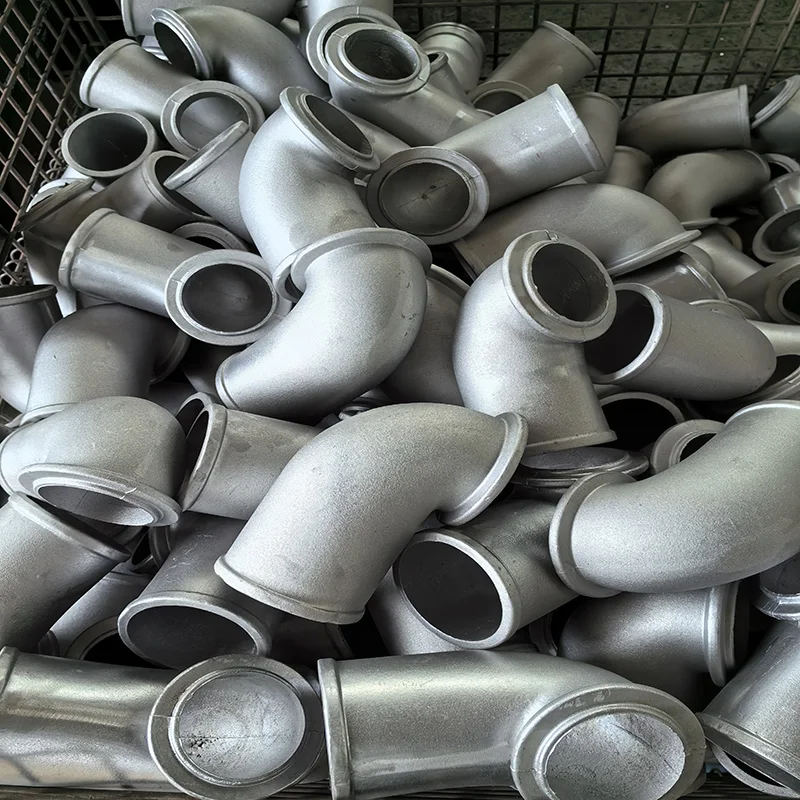
Aluminum casting is a process of utilizing aluminum and other metals as the raw material to produce all sorts of castings with various molds. There are a few ways to do this and each method offers their advantage For the scope of this article, we’re going to describe three popular aluminum casting processes: die casting, gravity casting, and investment casting. Pengxin, our company, employs these techniques to produce high-quality aluminum products that are strong, light and useful in many things we do. First, let’s dig a little deeper into die casting.
What are the Major Advantages of Die Casting for Wholesale Purchasers?
Die Casting is an ideal process for making not only aluminum parts but also wholesale buyers. One key reason is that it can generate a large number of pieces fast. That’s critical for businesses that need lots of parts relatively quickly. The process uses pressure to force melted aluminum into a mold, allowing very exact shapes to be formed. This makes the parts mesh well, which is important if you’re building a machine or vehicle. Plus die casting can produce complicated shapes impossible to achieve with other processes. This gives designers more freedom to be creative and produce more vibrant products. Price is also a consideration for wholesale purchasers. Die casting can be cheaper as it minimizes waste. The molds are reused, so it also saves materials. That means consumers can get good quality parts without spending too much. Another reason that die casting is popular is because of its durability. The aluminium components produced are extremely durable and long-lasting, making them excellent for a range of applications. There are many other advantages of die casting that make businesses like yours opt for it to impress their customers. Die casting OC In General, die casting provides speed, precision, cost effectiveness and strength that are impossible for other manufacturing processes to replicate; allowing it be considered when end users want prototype parts.
Where Does Gravity Die Casting Stand Amongst Other Aluminium Casting Methods?
Another method used in casting aluminum is gravity casting. It’s not die casting, which fills a mold with melted aluminum using pressure; it uses gravity to do the same job. This implies that gravity casting is generally considered as an easier process. One of the benefits to gravity casting is that it can be used for larger parts. For large components that businesses need as part of their products, however, gravity casting might be the way to go. It tends to be a slower process than die casting, but can still provide relatively high-quality parts. That also has a longer cooling time, which will let the aluminum set up better and not be as many defects. For small to medium runs, gravity casting is frequently the best option in cost. It doesn’t need as much costly equipment as die casting, so it can be a good choice for “mom and pop” businesses just starting out or those that want to pinch pennies. But gravity casting isn't necessarily as accurate as die casting, so if you value precision it's something to consider. Nevertheless, gravity casting is an alternative worth considering. It can produce strong parts and serves a number of industries. A number of businesses turn to gravity casting when they need durable aluminum parts, without paying the higher prices that are often related to other options. Gravity casting thus competes with die cast and investment techniques; offering a compromise between cost and performance.
If you are considering purchasing to bulk aluminum, one important thing that’s on your mind is where to buy the best quality products. The right place to begin is with companies who specialize in aluminum casting. One such company is Pengxin. They have a good reputation of offering high-quality aluminum goods. You can start with an online search. Quite a few companies, including Pengxin have websites where you can view their products and understand how they cast them. Other customers’ reviews can also be helpful to read. These testimonials can you give a sense of the quality and service they offer.
Another option for getting quality aluminum products is by visiting trade shows, industry fairs. Great Question also features a lot of manufacturers, among them Pengxin. You can meet representatives, ask questions and see the products in person by attending these shows. That way you can get a sense of the quality before deciding whether it will be adequate. You may also come across some special deals or offers at these shows which can be a good way to save money while receiving premium heck of a products.
If you need a specific type of aluminum product, the best thing might be to contact companies like Pengxin directly. They can answer questions on their products and sometimes deliver your particular requests. Don't be afraid to ask for samples so you can try and see before a big buy. You want to ensure your company is casting with good practices, this has a significant impact on the end product. By taking the time to research and soul search for trustworthy companies, you can source aluminum that is just right for your needs.
Comparing Aluminum Casting Methods - How Die Casting, Gravity Casting, and Investment Casting Shape Product Quality
The various aluminum casting methods can result to varying product qualities. Typical examples of the casting methods include die casting, gravity casting and investment casting. Each of these methods has its specific advantages and can be selected in accordance with the requirements of the product. For instance, die casting can produce our precise and detailed products. It is the process of injecting liquid aluminum in a mold at high pressure. This technique is useful for mass-producing the same item and yields a smooth surface texture but with fine detail too. Companies like Pengxin employ die casting to make parts that must fit perfectly with others, as in machines or cars.
Gravity casting, on the other hand, involves pouring molten aluminum into a mold and allowing gravity to be your co-conspirator. It is a slower process than die casting, but it allows for larger and thicker items. It can be a very nice quality item, but it may not have the detail of die-cast. Gravity casting is typically employed in tasks such as creating large sculptures or heavy-duty devices.
Another process that can produce fine and intricate items is investment casting, also known as lost-wax casting. This entails creating a model (often from wax) and covering it with a material creating a mold. The wax is subsequently melted out, providing a void for the molten aluminum. This process is great for producing complex shapes and fine details, making it ideal for things like jewelry or intricate mechanical parts.
''We pay attention to the use of the product, and we look for the right casting method according to design requirements and quality requirements,'' said Pengxin. Understanding the ways these opposite processes interact informs decisions about what products to make and sell.
It can be easy to get caught up in the quest for efficiency in investment casting, but one must also consider quality. Investment casting is a process with many steps, so good management of them is critical. The product design has to be manifest and elaborate. This is beneficial for a more realistic molds that makes the best casting. At Pengxin, they are particularly notable in the original design for detail and smooth operation.
The second factor of importance in the process is the materials involved. The wax used for the model and molding materials can have a great effect on soft palate. If you perfect your items, the results will be errors will low and the strength of finished product will also better. You also need to keep the correct temperature as you melt and pour. Too much heat, or too little, can result in defects.
There is also a need for close supervision at each stage of the procedure. Regular inspections can catch any problems early, for on-the-spot fixes before they become larger, costlier issues. This helps make sure that the end products are up to customers' high standards.
Conclusion
Finally, once the aluminum die casting is completed, correct finishing methods are required. This entails wiping, polishing and examining the items carefully. And at Pengxin, they believe the details can make a big difference in overall product quality. By paying particular attention to these points, manufacturers ensure that their investment casting procedures remain efficient and their final products are high quality.